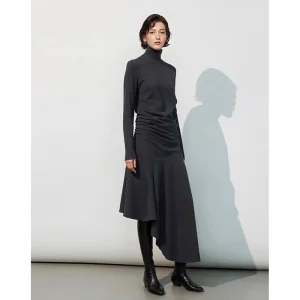
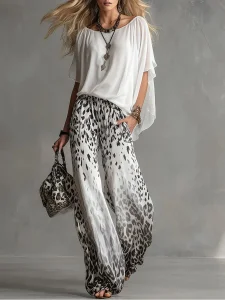
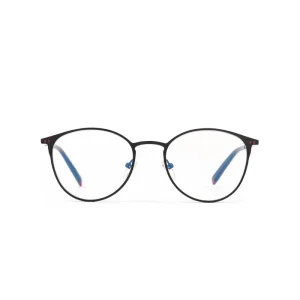
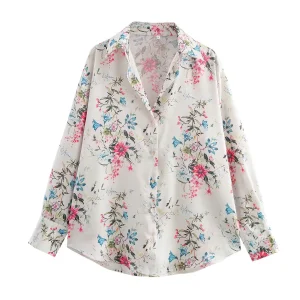
Explore these top seasonal silhouettes crafted with optimized fabric weights and premium finishes tailored for the South African retail demand and boutique markets.
Deploy our 10+ years of garment OEM/ODM expertise directly to your brand. Request samples tailored to your target price points.
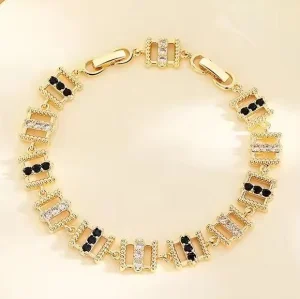
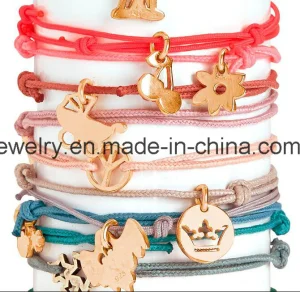
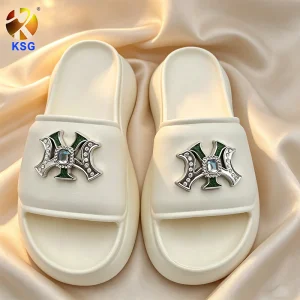
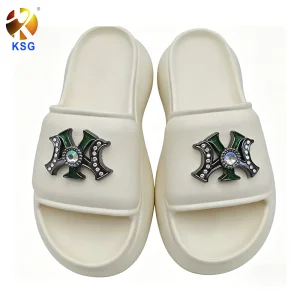
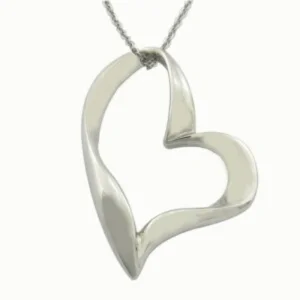
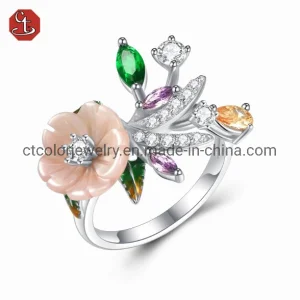
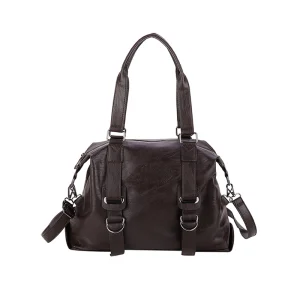
Send Inquiry NowDiversify your boutique portfolio with fashion hardware, statement jewelry sets, and custom leather accents optimized for high visual impact and rapid inventory turnover.
The apparel industry in South Africa represents a unique ecosystem, balancing a rich heritage of local style with high demand for international trends. As the largest economy in Sub-Saharan Africa, South Africa's fashion sector is undergoing a massive shift towards structural digitization and supply chain agility.
Historically reliant on domestic garment mills in KwaZulu-Natal and Cape Town, the domestic industry has faced capacity constraints. Consequently, corporate retailers, high-street brands, and independent boutique networks look globally to bridge the gaps in manufacturing efficiency, technical fabric construction, and quick-turnaround production cycles.
Key market drivers in SA seasonal fashion include:
Unlike European and North American buyers who source heavy winter wear for November delivery, South African retail buyers require their heaviest winter shipments by March/April. Working with a flexible manufacturer like Guangzhou Setor Fashion allows brands to schedule staggered production runs that align with South African seasons, mitigating capital locking and inventory obsolescence.
Understanding the business landscape:
Modern apparel procurement has graduated from a simple transaction of cost-per-piece to a complex optimization of unit economics, logistical integrity, and sustainability audits.
Global enterprises require transparency in textile mills. Sourcing from certified OEKO-TEX or BSCI-compliant factories is no longer optional; it is a critical baseline for liability protection.
Fast-fashion systems like Zara and Shein have trained consumers to expect rapid collection drops. Suppliers must provide low-MOQ options for initial test batches, with high-volume scaling capabilities.
Global logistics disruptions (such as shipping lanes around the Cape of Good Hope) require suppliers to maintain multi-port shipping routes, optimized packaging densities, and transparent lead times.
Fulfilling the complex demands of South Africa's major retail hubs requires a high-performance production infrastructure. Guangzhou Setor Fashion Co., Ltd. acts as an extension of your brand's purchasing, designing, and quality assurance divisions.
Established in 2013, Guangzhou Setor Fashion Co., Ltd. operates a flagship, state-of-the-art apparel production facility in Guangzhou, China's historical heart of garment engineering. Spanning over 15,000 square meters, our operations have evolved from traditional CMT (Cut, Make, Trim) into a full-service, tech-enabled ODM/OEM solution.
By housing over 250 highly skilled operators, pattern makers, and garment technicians, we bridge the gap between design concepts and commercial viability. We handle diverse garment categories: casual blouses, precision-tailored business suits, structured denim, outdoor knits, and delicate seasonal dresses.
"We understand that B2B relationships are built on predictability. When a South African brand reserves a manufacturing window with Setor, they receive real-time supply chain transparency, from raw weave to Cape Town harbor arrival."
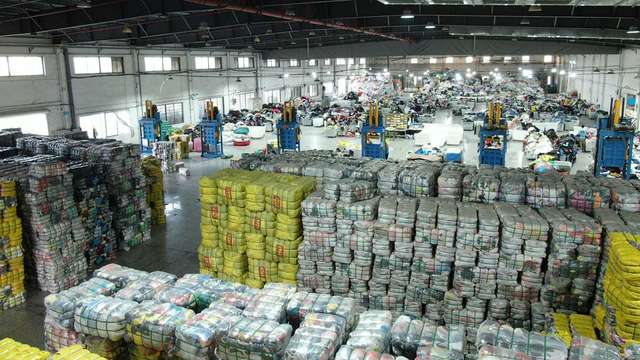
Direct visual proof of our 15,000+ sqm manufacturing facility, modern equipment, design studios, and logistics hubs.
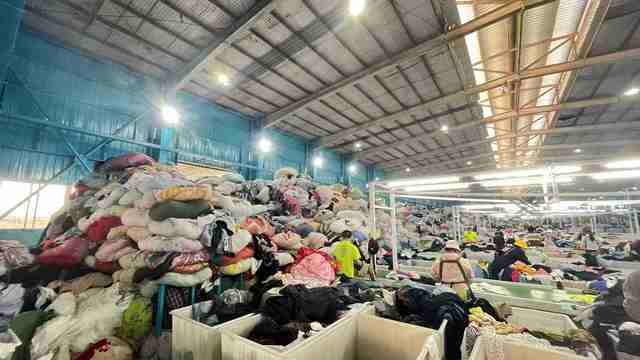
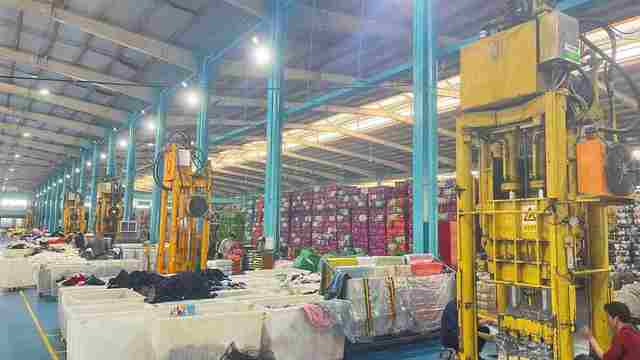
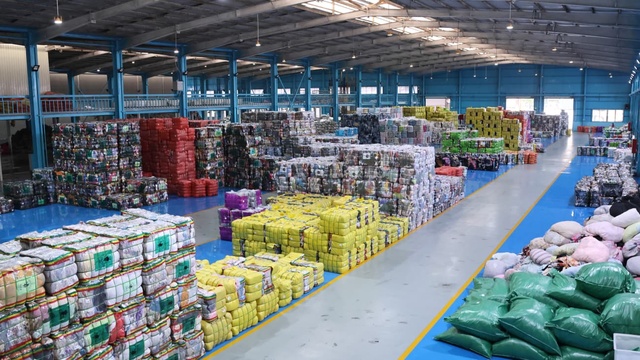
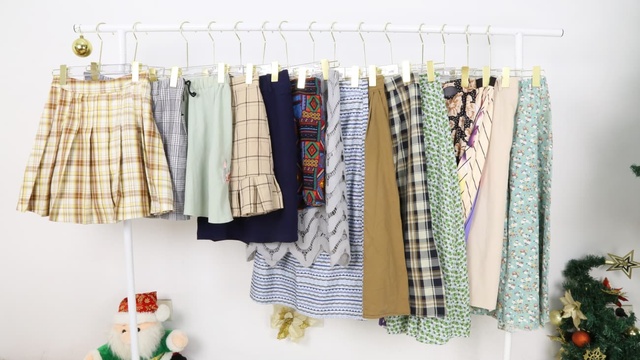
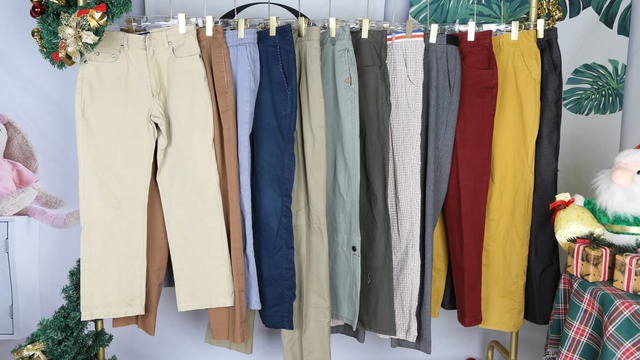
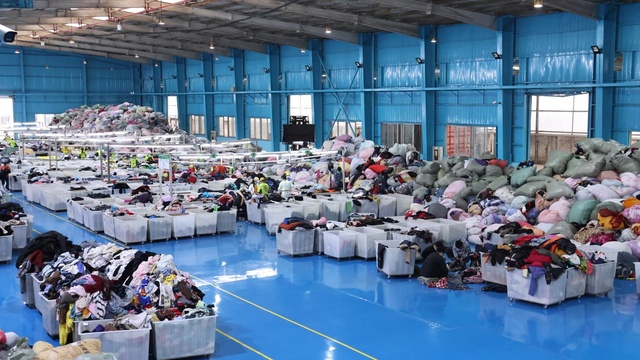
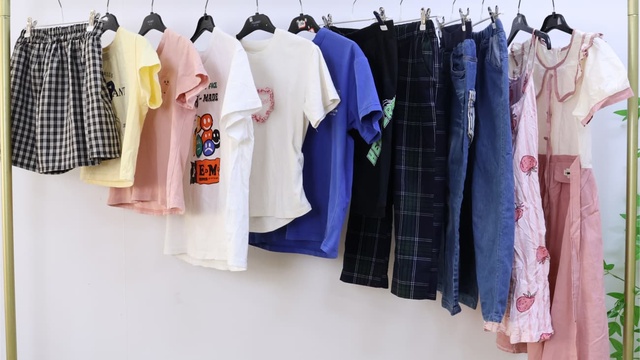
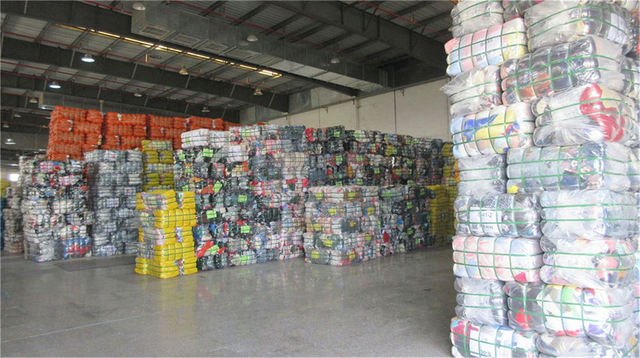
The B2B fashion industry is shifting from purely aesthetic design to technical utility. As global suppliers, we focus on smart fabrics, sustainable dyes, and ergonomic construction.
In South Africa’s coastal regions like Durban, humidity presents challenges for standard blends. Conversely, Gauteng’s dry, high-altitude climate demands materials that resist static and offer thermal adaptability. Setor Fashion addresses these regional micro-climates by engineering specific yarn blends:
Breathable, plant-based linen formulations, organic cotton/bamboo blends, and sweat-wicking synthetic fibers that withstand intensive laundering cycles while remaining soft to the touch.
High-density interlock knits, brushed fleece backing, recycled polyester insulations, and eco-friendly water-resistant finishes suitable for Cape Town’s rainy winter season.
Importing garments into South Africa requires navigation of the South African Revenue Service (SARS) customs regimes and local retail standards.
South African clothing imports are subject to specific tariff structures designed to protect local manufacturing. Working with an experienced exporter ensures documentation is prepared properly to avoid costly port delays.
We coordinate closely with top B2B freight forwarders to provide comprehensive sea-freight and air-freight logistics:
Durban Port is the main gateway for bulk shipping containers. Typical ocean transit times from Guangzhou range between 18 to 25 days.
For fast-fashion capsule collections, we route via OR Tambo International Airport (Johannesburg) with typical transit times of 3 to 5 business days.
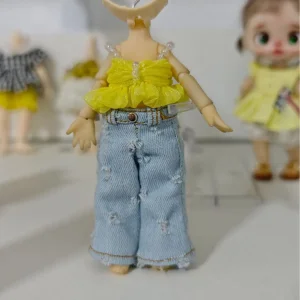
Expand your brand's core seasonal inventory with these highly rated fashion garments and coordinated accessories, engineered for volume margins and regional consumer appeal.
Get immediate technical answers to key questions about custom apparel development, delivery logistics, and fabric compliance.
Unlock supply chain efficiency, high-performance fabrics, and seasonal alignment. Let us help you grow your brand's market share in South Africa and beyond.
Send Inquiry Now Setor Fashion