Engineered for support, comfort, and durability. Discover our top-tier OEM & ODM manufacturing categories designed for global markets.
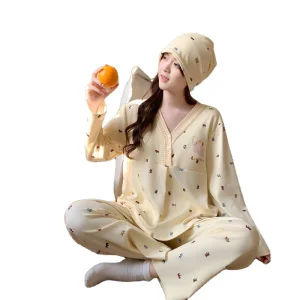
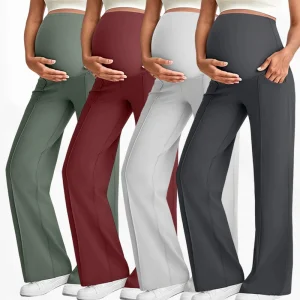
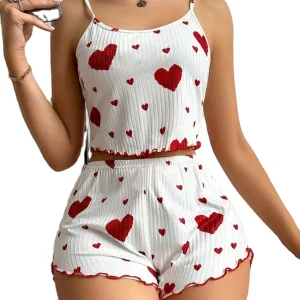
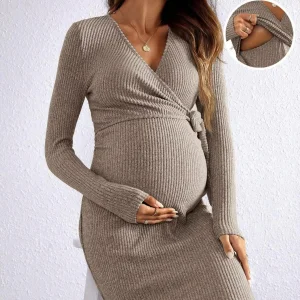
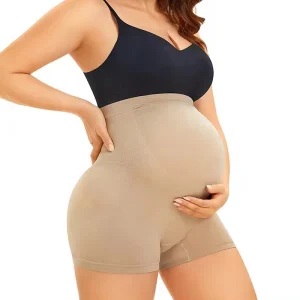
The global women’s maternity wear manufacturing industry has transitioned from basic loose-fitting garments to a highly specialized sector integrating biomedical science, ergonomic textile engineering, and rapid-response fashion design. According to recent market reports, the global maternity apparel market size is projected to expand significantly, driven by a rising demographic of professional working mothers, increasing disposable incomes in developing economies, and an unprecedented focus on post-pregnancy recovery garments.
Modern maternity garment manufacturing requires a deep understanding of anatomical changes during and after pregnancy. Manufacturers must address fluctuating bust and abdominal dimensions, shifts in center of gravity, increased skin sensitivity, and the thermal regulation demands of pregnant and lactating mothers. This has catalyzed a massive technological shift towards seamless circular knitting, multi-directional elasticity fabrics, and high-performance hypoallergenic materials.
Information Gain Insight: Sourcing directors are no longer prioritizing cost-per-unit in isolation. High-growth brands now look for manufacturers offering vertical integration of technical fabrics (specifically modal, bamboo viscose, and Recycled Elastane) capable of passing stringent global safety and chemical residue standard certifications.
Key industry shifts that dictate consumer demand and raw material selection for next-generation maternity collections.
Utilization of advanced circular knitting machines to eliminate abrasive seams. This technique allows for zonal compression zones that support the lower lumbar region and belly without constriction.
Integration of silver-ion antimicrobial finishes, temperature-regulating phase-change materials (PCMs), and highly breathable, moisture-wicking organic microfibers to support skin health.
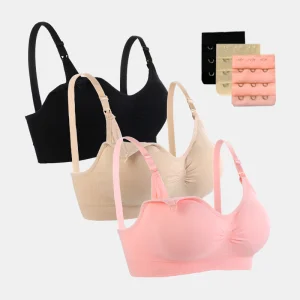
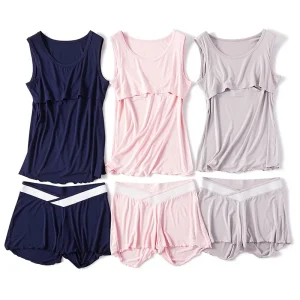
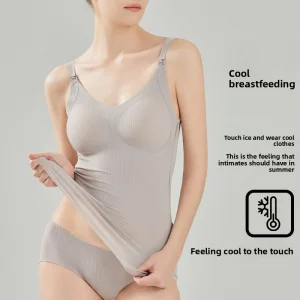
Designing apparel with integrated, hidden nursing clips, overlapping breast-feeding panels, and postpartum shapewear paneling to extend the garment life cycle and increase economic utility.
Recommended material configurations for core product categories within a premium maternity clothing line.
| Garment Category | Optimal Fabric Blend | Grammage (GSM) | Key Functional Requirement |
|---|---|---|---|
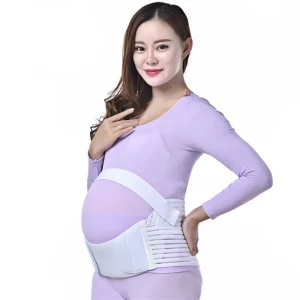
| Maternity Support Belts | Polyester/Nylon/Elastane (Latex-Free) | 280 - 350 GSM | High tensile strength, adjustable tension hook-and-loop, lumbar pressure distribution. |
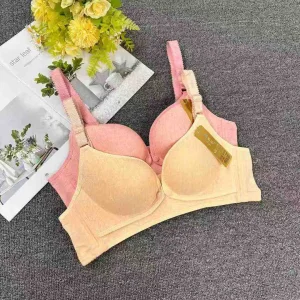
| Seamless Nursing Bras | 90% Nylon, 10% Spandex (Oeko-Tex) | 180 - 220 GSM | 360-degree stretch, drop-down nursing buckles, anti-chafing molded cups. |
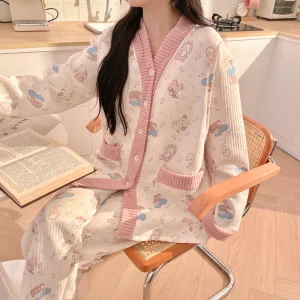
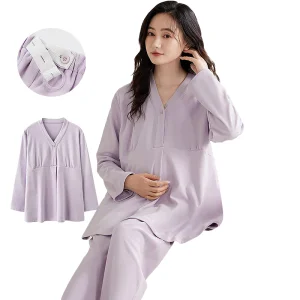
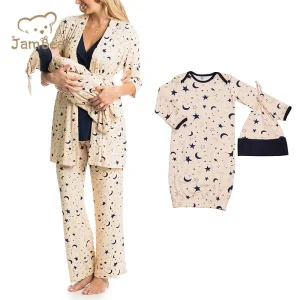
| Maternity Loungewear & PJ Sets | 95% Bamboo/Modal, 5% Spandex | 160 - 180 GSM | Hypoallergenic, thermoregulation, skin pH-friendly, adjustable waistbands. |
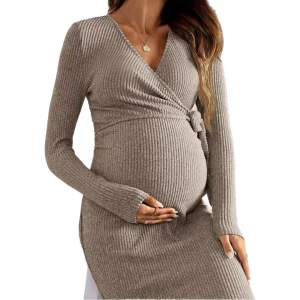
| Abdomen Supporting Pants | Cotton/Polyester/Spandex Interlock | 220 - 260 GSM | High-rise over-belly elastic panels, non-slip waist, no-sag compression. |
Established in 2013, providing premium women's casual wear, dresses, loungewear, and maternity solutions for global brands.
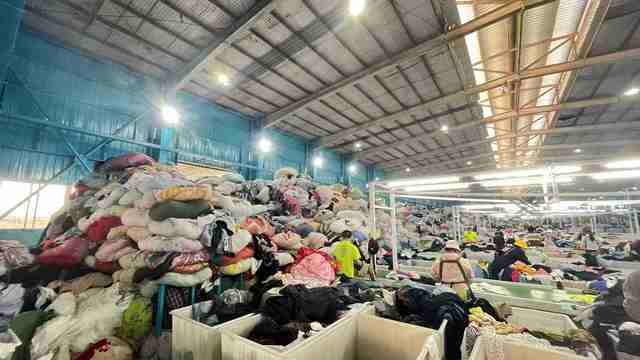
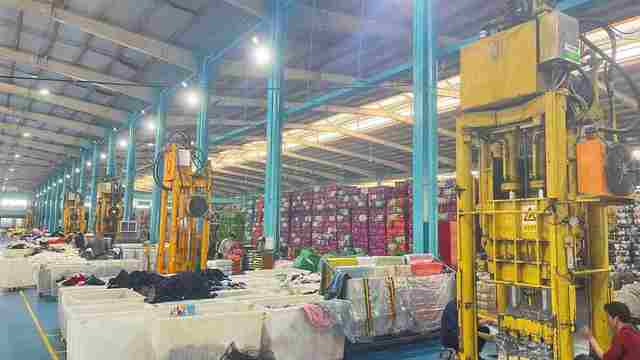
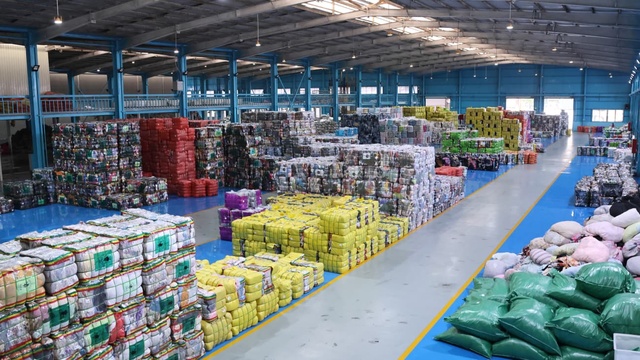
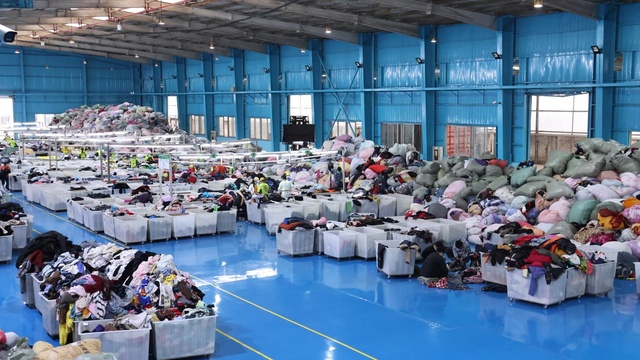
Guangzhou Setor Fashion Co., Ltd. is an industry-leading women's apparel manufacturer based in Guangzhou, Guangdong, China. Spanning over 15,000 square meters of modern manufacturing facilities, the company boasts a highly trained workforce of 250+ experienced apparel professionals. Offering both OEM and ODM services, Guangzhou Setor Fashion supports global fashion houses, independent designers, retail giants, and fast-growing e-commerce businesses in developing high-value, highly market-resilient product lines.
Our comprehensive production facility integrates advanced CAD pattern design systems, automated fabric laying and precision cutting systems, and specialized sewing configurations designed for knitwear and highly elastic fabrics. The company's diverse capabilities cover a wide range of women's wear, including casual wear, dresses, blouses, skirts, activewear, business attire, and dedicated functional collections like maternity wear and loungewear.
With an emphasis on supply chain reliability, Guangzhou Setor Fashion enforces rigid quality control checkpoints. This spans from initial yarn-level and fabric-dying testing (including color fastness and shrinkage validation) to in-line garment inspection and pre-packaging finish evaluations. Through this focus on precision, we have cultivated long-term collaborative agreements with retail leaders across North America, Europe, Australia, and the Middle East.
As the B2B landscape becomes increasingly fragmented, localized branding strategies require apparel manufacturers to offer custom sizing scales. Standard sizing matrices fail to capture the demographic variations between Western markets (which typically require larger proportions, wider hips, and longer inseams) and Eastern markets (which demand narrower structures and subtle adjustments). Guangzhou Setor Fashion Co., Ltd. addresses this via advanced digital pattern grading, allowing for localized fit customization according to target market statistics.
In addition, supply chain resilience involves mitigating raw material price volatility. Global cotton, modal, and elastane prices fluctuate based on macroeconomic conditions. Working with a vertically integrated manufacturer based in Guangzhou—the epicentre of global textile logistics—enables brands to shorten lead times, lower transit overheads, and access real-time textile innovations.
Looking ahead, the next step for maternity wear lies in smart activewear. Integrated sensor tech, breathable paneling for temperature monitoring, and biometric supportive compression bands represent the future of prenatal health clothing. Collaborating with a partner who invests in garment innovation is essential for long-term category leaders.
Key questions to consider when selecting an OEM/ODM supplier for maternity products.
Additional essential designs, nightwear, and undergarments to round out your brand's seasonal collection.
 Setor Fashion