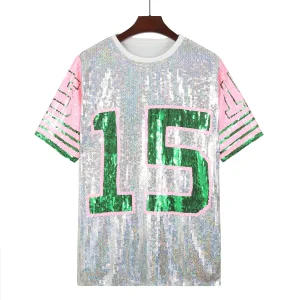
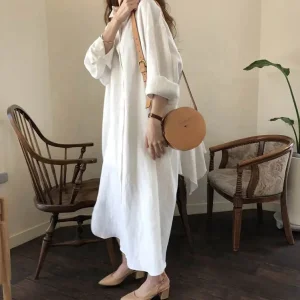
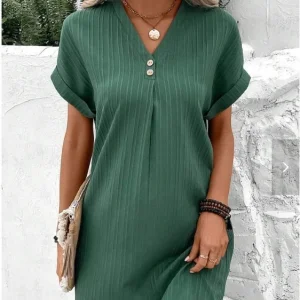
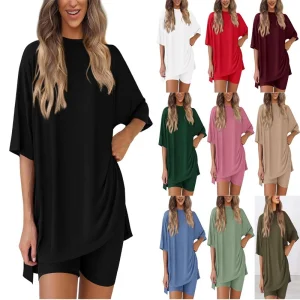
Explore our trending export-grade casual wear, engineered with premium fabric tech and certified quality standards for modern buyers.

Understanding the tectonic shifts in global apparel buying behaviors, material science breakthroughs, and manufacturing logistics.
The post-pandemic apparel market is defined by the blurring lines between loungewear, business-casual, and outdoor athleisure. Modern consumers expect versatile clothing that offers comfort for remote work and aesthetic appeal for social interactions. Smart exporters must engineer high-elasticity, breathable, and shape-retaining fabrics to align with this cross-functional lifestyle.
Sustainability is no longer an optional marketing angle; it is an entry ticket for major markets like Europe (EU EPR laws, Ecodesign Directive) and North America. Procurement officers are mandating certified materials (GRS, OEKO-TEX, GOTS) and transparent, traceably clean manufacturing lines to protect brand reputation against greenwashing penalties.
The traditional 6-to-9-month apparel production cycle is being replaced by ultra-responsive, data-driven manufacturing. Successful brands use short-run test batches (dynamic MOQs) to gauge consumer demand before committing to bulk manufacturing, shifting the pressure of inventory holding onto the manufacturer's technological flexibility.
Combining contemporary design capabilities with a high-capacity, technology-enabled production ecosystem in southern China.
Established in 2013, Guangzhou Setor Fashion Co., Ltd. has established itself as an industry-leading women's apparel manufacturer based in Guangzhou, Guangdong, China. Over the past decade, we have optimized our supply systems to specialize in the design, development, and production of high-performance, fashion-forward women's clothing. We serve an elite international clientele of global brands, retailers, wholesalers, and fast-growing e-commerce businesses.
Our operations are housed in a state-of-the-art manufacturing facility spanning more than 15,000 square meters, staffed by a dedicated and highly skilled workforce of over 250 experienced apparel manufacturing professionals. Setor Fashion offers integrated, turnkey OEM and ODM solutions, converting client concepts into market-ready garments with speed and precision.
Our extensive product catalog ranges from everyday women's casual wear, summer dresses, custom knitwear, outer layers, to specialized categories like high-grade loungewear, premium Tencel sleepwear, activewear, and executive business attire. By merging research-driven fashion intelligence with advanced equipment, we empower our buyers to consistently outpace consumer expectations.
Analyzing key roadblocks faced by sourcing directors and how Setor Fashion designs actionable solutions.
Overproduction kills brand margins. Modern enterprise buyers require suppliers that offer dynamic batch adjustments. Setor Fashion enables low-risk market testing by using a "flexible assembly line" protocol, where initial minimum orders can be adjusted dynamically for re-orders, helping brands prevent margin-eroding clearance cycles.
Global retailers face stringent supply chain disclosure laws (such as the German Supply Chain Due Diligence Act). Setor Fashion guarantees complete traceability of cotton, linen, and synthetic yarns. Our raw material suppliers provide certificates showing chemical safety, non-exploitation, and eco-friendly dye processes.
Shipping delays ruin seasonal product launches. Based in the logistics hub of Guangzhou, we coordinate with major shipping ports and express services. Our digital ERP integrates real-time scheduling with our cargo forwarders, ensuring fast transit to North America, Europe, Australia, and the Middle East.
| Procurement Challenge | Industry Standard Response | Setor Fashion Integrated Solution |
|---|---|---|
| High Fabric Scrap Rates | 15% - 20% scrap due to manual pattern nesting. | <5% scrap using computer-aided CAD marker planning. |
| Design Translation Latency | 3-4 weeks for physical mock-up iterations. | 3-5 days via 3D digital apparel simulation and virtual fitting. |
| Material Traceability | Self-declared material specs, lack of third-party certificates. | Verified GRS, OEKO-TEX certification and documentation. |
| Inconsistent Sizing Specs | Manual measurements with ±2cm margins of error. | Laser-guided cutting maintaining ±0.5cm tolerances. |
Integrating innovative textiles with sustainable production methods to construct the future of circular fashion.
We source certified Tencel, Lyocell, and Modal fibers derived from sustainably managed forests. These materials offer natural breathability, silk-like softness on skin, and superior moisture absorption compared to standard synthetics.
Using Post-Consumer Recycled (PCR) Polyester and Ocean Plastic Nylons (GRS certified), we reduce greenhouse gas emissions by up to 50% compared to virgin oil-based polyesters without compromising tensile strength.
Our natural fiber ranges feature long-staple organic cotton and premium linen, cultivated without toxic pesticides. They are highly durable, hypoallergenic, and possess natural heat-dissipating characteristics.
By employing enzymatic wash techniques, water-less dyeing, and non-fluorinated water repellents, we guarantee garments stay soft and vibrant over hundreds of washes while reducing eco-toxicity.
Combining design, physical production, and logistics tracking into a single digital workflow.
Our design center uses 3D digital apparel software to build detailed product models. This allows buyers to assess fabric drape, seams, and fit before physical sampling, cutting prototyping waste by 80% and shortening development timelines.
Approved patterns feed directly into our automatic fabric spreaders and precision cutters. This ensures consistent tolerances across thousands of units and minimizes fabric wastage, which directly lowers costs for our buyers.
Our production floor uses a Manufacturing Execution System (MES). Workers tag garment bundles with RFID chips to track their progress through sewing, ironing, QC inspections, and packing, providing managers with real-time bottleneck visibility.
How operating in China's premier fashion hub optimizes production speed, material access, and cost structures.
Guangzhou is located next to the world's largest fabric and accessory markets (such as the Zhongda Fabric Market). This proximity lets us source specialized yarns, custom prints, and high-performance trims in hours instead of days, shortening development lead times.
The Guangdong region has a deep pool of skilled textile pattern makers, QA inspectors, and sewing machine technicians. This concentration of expertise ensures our products maintain clean seams, consistent fit, and high durability.
Guangzhou's transport networks connect directly with Shenzhen and Hong Kong. This infrastructure gives us access to multiple daily departures, helping us secure competitive ocean, air, and multimodal freight rates for international delivery.
Adhering to strict international regulatory frameworks and standardizing quality control protocols across all lines.
We test every raw fabric shipment for shrink rates, seam slippage, and color transfer before cutting. We conduct random inline audits during sewing and run final pre-shipment inspections using the industry-standard AQL 2.5 protocol.
We focus on building a safe, fair work environment. Our facility matches international labor expectations for fair pay, safe workstations, capped overtime hours, and transparent management practices.
We prepare customs invoices, harmonized tariff codes (HS Codes), and certificates of origin for destinations like the US, EU, and UK. This preparation minimizes processing delays at import terminals.
Addressing common questions about production limits, customization processes, lead times, and quality assurance.
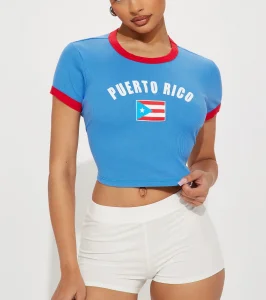
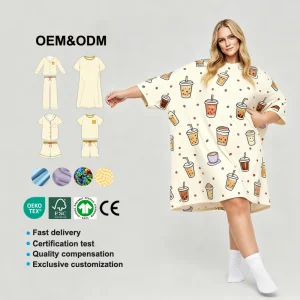
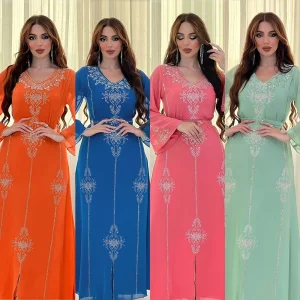
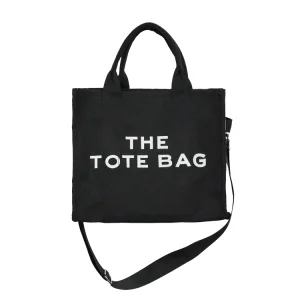
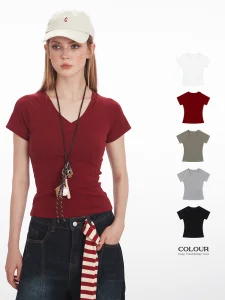
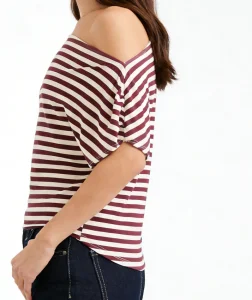
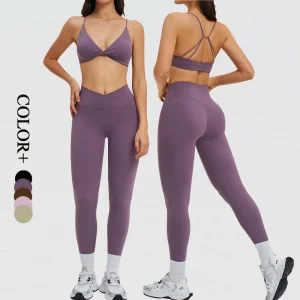
Review our specialized ranges, from breathable linen coordinates to custom lifestyle garments.
 Setor Fashion