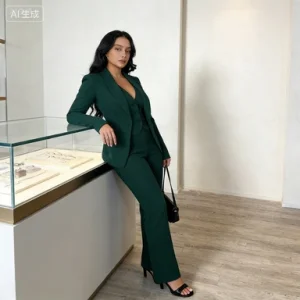
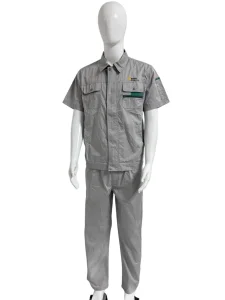
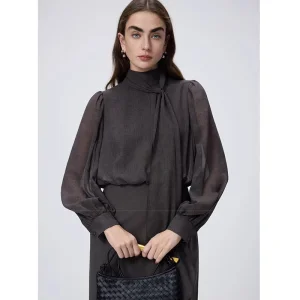
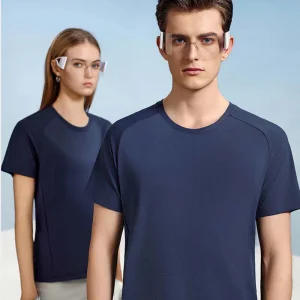
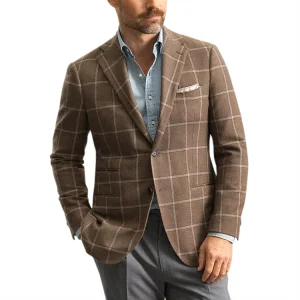
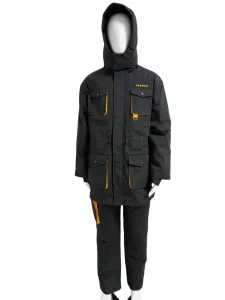
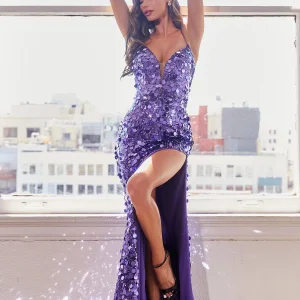
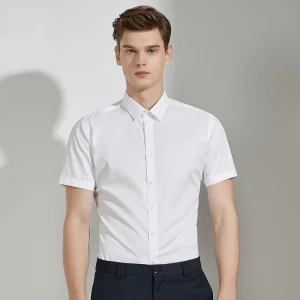
High-specification technical garments, customized uniforms, and runway-quality formal designs optimized for global distribution channels.
The landscape of women's formal wear manufacturing and exporting is undergoing a massive transformation. Driven by shifts in global trade routes, the integration of smart tailoring technology, and an unprecedented demand for agile, low-environmental-impact supply chains, modern B2B buyers must partner with manufacturers that do more than just sew fabric. Today's global market demands high technical proficiency, rapid design iteration, and robust regulatory compliance.
Guangzhou Setor Fashion Co., Ltd., since its founding in 2013, has operated at the nexus of these transformations. Anchored in Guangzhou, the world's most dense textile and apparel manufacturing cluster, Setor Fashion spans a state-of-the-art facility exceeding 15,000 square meters. Operating with a core workforce of over 250 highly skilled artisans and engineers, we serve as an end-to-end partner for global brands, offering both Original Design Manufacturing (ODM) and Original Equipment Manufacturing (OEM) structures.
According to global textile analytics, the market for women's formal garments—encompassing professional suits, high-end blazers, evening gowns, and institutional uniforms—is growing at a steady compound annual growth rate (CAGR). The modernization of the corporate landscape, the rise of specialized event industries, and a global trend toward premiumization have created a fragmented yet highly lucrative market. Crucially, the return to hybrid corporate operations globally has not minimized the need for formal wear; rather, it has shifted consumer behavior toward comfort-driven structure, requiring technical stretch fabrics, wrinkle-free blends, and breathable materials.
This creates a complex logistical challenge for retailers. Procurement officers no longer look solely at unit cost; they evaluate Total Cost of Ownership (TCO), which includes lead times, duty-mitigation strategies, quality consistency (AQL metrics), and ESG (Environmental, Social, and Governance) certifications.
B2B buyers, retailers, and high-growth e-commerce brands often encounter structural bottlenecks during sample development and bulk scaling. Setor Fashion mitigates these bottlenecks by applying a highly engineered, digital-first roadmap to apparel production. Our technology stack is designed to minimize fabric wastage, ensure dimensional stability, and maximize manufacturing speed.
Traditional pattern grading is prone to errors that multiply across sizing grids. To prevent this, Setor Fashion utilizes computerized CAD drafting and 3D digital simulation systems.
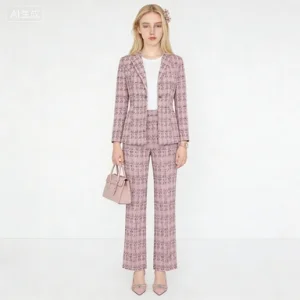
The layout phase employs automated nesting algorithms to maximize fabric utilization rates, lowering raw material costs for the client. Automated, high-precision laser and blade cutters process structured materials like tweed, premium wool, and sheer overlays. This technology ensures that patterns with checks, plaids, and stripes align perfectly across seams, which is the hallmark of high-end formal wear.
Our factory floor operates via lean modular manufacturing cells. Each production line is optimized for specific garment types: structured tailoring for blazers and trousers, and high-precision sewing setups for delicate sheer silks and evening wear. This modular approach allows for rapid shifting between small batch runs (for premium capsule collections) and high-volume runs.
Sourcing formal wear requires an understanding of localized consumer environments. A design that succeeds in the European corporate office may require adjustment before performing well in the Middle Eastern market. Setor Fashion tailors its solutions to these distinct contexts:
Focuses on high-performance materials. Wrinkle-resistant, machine-washable blazer sets and pencil skirts are highly sought after by corporate buyers. Comfort-stretch linings are essential.
Prioritizes eco-certified fabrics, clean structural silhouettes, and sustainable sourcing. High requirements for certified organic wool, linen blends, and traceable supply chains.
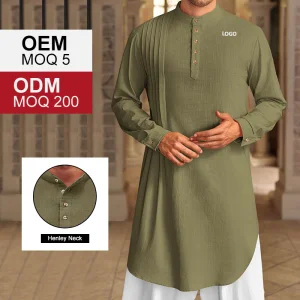
Demands modest cuts, premium fabrics with high drape values, and intricate details. Expertise in tailoring long-sleeve ensembles, structured premium tunics, and modern abayas.
Whether you require a completely bespoke design system designed from scratch (ODM) or require a high-capacity factory to execute your proprietary designs (OEM), Setor Fashion handles the process from start to finish. Our services include:
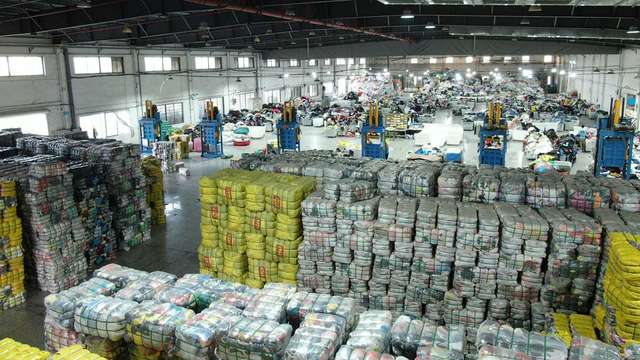
Inside Setor Fashion's 15,000 square meter Guangzhou production facility, showing our cutting-edge machinery, QA workstations, and warehousing capabilities.
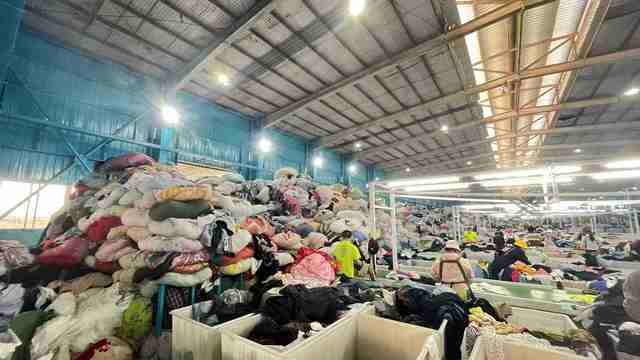
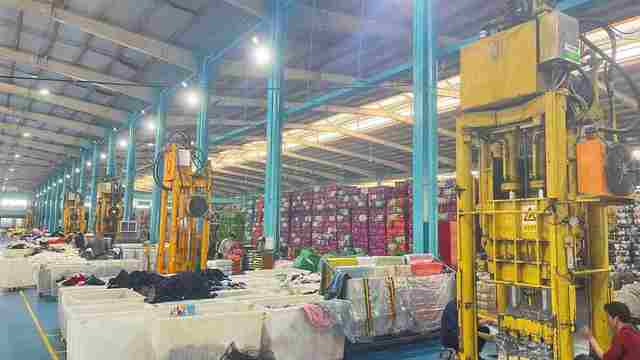
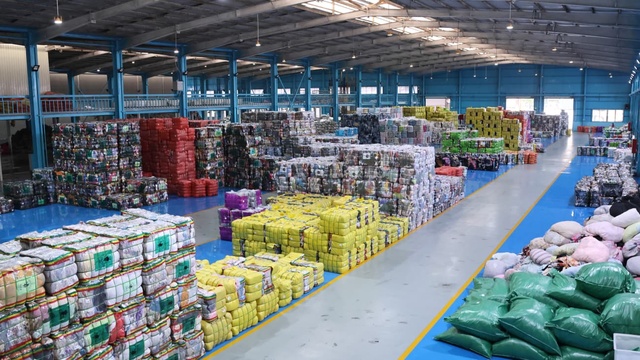
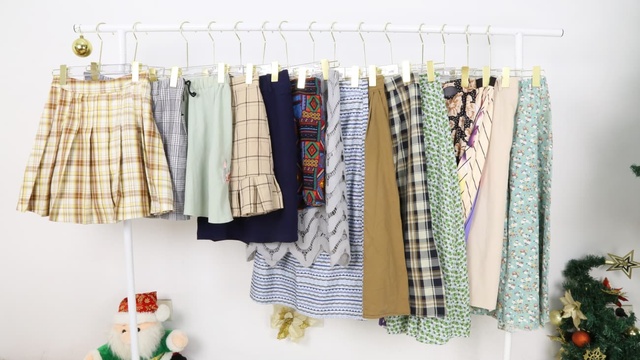
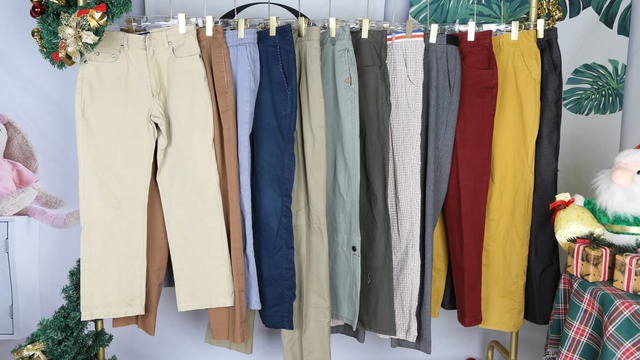
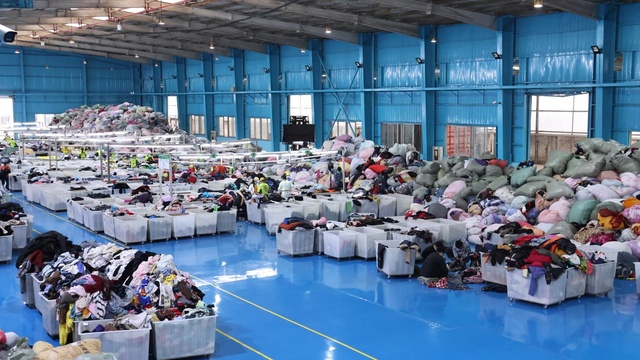
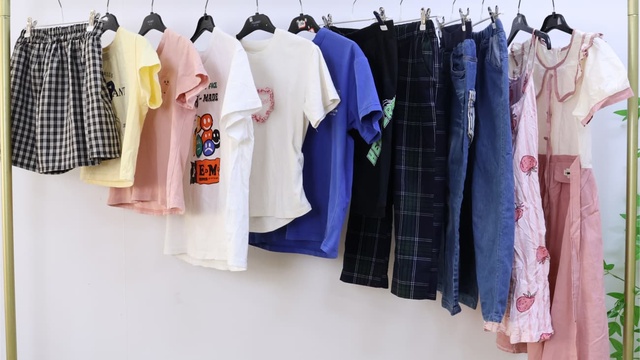
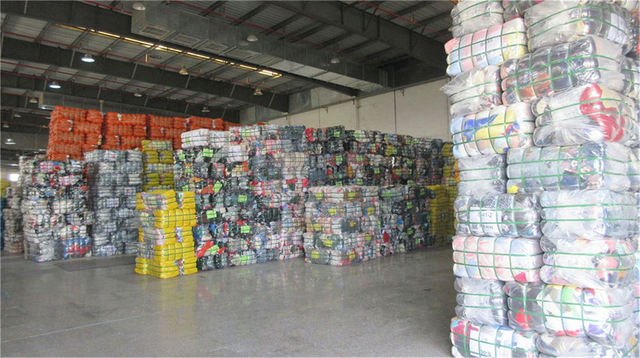
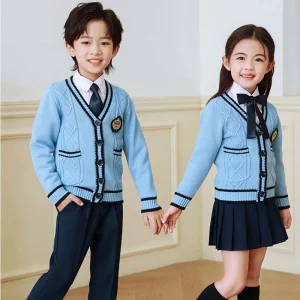
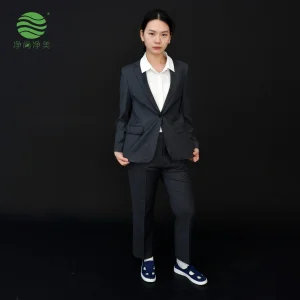
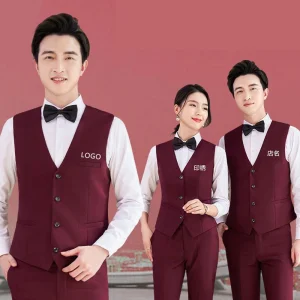
From evening formal wear to hospitality, service sector uniforms, and tailored separates.
Clear, authoritative technical answers to assist global procurement managers in planning apparel production lines.
Our standard minimum order quantities (MOQ) are structured around fabric availability. For styles utilizing in-stock premium fabrics, the MOQ is 100-200 pieces per style/color. For fully customized fabric dyes, custom weave configurations, or specialty fiber blends, the MOQ starts at 500 pieces per colorway. This accommodates both capsule fashion runs and large corporate supply needs.
We employ a strict four-tiered Quality Assurance protocol. First, incoming materials undergo fabric shrinkage and colorfastness testing. Second, inline quality checkers verify panels at critical assembly junctions (collars, sleeves, pockets). Third, finished garments are pressed and passed through metal detectors to ensure complete safety compliance. Finally, final inspections are conducted in accordance with Acceptable Quality Limit (AQL) 2.5 standards before export.
Upon receipt of tech packs or design blueprints, digital sample patterns are generated within 3-5 working days. Physical prototypes are completed and shipped via express courier in 7-10 days. Once the sample is approved and bulk fabric is secured, bulk production takes 25-35 days, depending on styling complexity and line volume.
Yes, our raw materials can be selected to meet REACH compliance and OEKO-TEX Standard 100 certificates, ensuring they are free from harmful azo dyes, phthalates, and heavy metals. We coordinate with third-party testing laboratories (like SGS, Intertek, and TUV) to issue formal chemical test certifications as required by localized customs in the importing country.
We support a range of shipping arrangements including Free on Board (FOB Guangzhou/Shenzhen), Cost, Insurance, and Freight (CIF), and Delivered Duty Paid (DDP) routes depending on the client's internal import department structure. We work alongside specialized logistics brokers to streamline customs clearance processes globally.
Absolutely. Private labeling is a key component of our OEM/ODM service. We can customize woven neck labels, size tags, care instructions (printed or woven), and custom cardboard hangtags. Additionally, we source and manufacture custom-branded metal buttons, engraved zipper pulls, and customized lining structures (such as jacquard logos) to build strong brand identification.
 Setor Fashion