An authoritative whitepaper on navigating B2B compliance, resource efficiency, and ESG alignment in modern clothing manufacturing.
The contemporary apparel landscape is undergoing a systemic structural transformation. Globally, the linear paradigm of "take-make-dispose" is being rapidly displaced by circular system designs, driven by stringent national and supranational environmental mandates, institutional investor scrutiny, and a profound change in customer intent. The modern consumer no longer views sustainability as a premium design aesthetic, but rather as a foundational minimum requirement for brand engagement. For global retailers, clothing brands, and online fashion conglomerates, securing a transparent, ethical, and ecologically competent supply chain is now a core strategic priority.
Selecting a certified sustainable fashion manufacturer is the crucial element in neutralizing regulatory risks. Complex frameworks such as the European Union’s Corporate Sustainability Due Diligence Directive (CS3D) and the Ecodesign for Sustainable Products Regulation (ESPR) place significant accountability on brand operations, demanding detailed oversight of upstream tier-1 to tier-4 production facilities. Partnering with a specialized supplier that implements real-time waste reduction, eco-certified textile selection, and carbon-optimized logistics is no longer optional—it is the cornerstone of brand longevity.
Regulatory Horizon Alert: Global imports face immediate supply-chain tracing audits. By aligning with manufacturers running certified circular supply chains, enterprise brands gain a decisive competitive advantage, securing market access and generating authentic product data to support ecological claims.
Combining scalable capacity with precise clean-technology integration.
Guangzhou Setor Fashion Co., Ltd., established in 2013, represents the natural evolution of modern, agile Chinese garment manufacturing. Strategically located in the textile heartland of Guangzhou, Guangdong, China, the company operates a specialized facility covering more than 15,000 square meters. Setor Fashion coordinates a team of 250+ textile professionals, pattern makers, and design engineers to deliver advanced OEM (Original Equipment Manufacturer) and ODM (Original Design Manufacturer) services. Rather than operating as a transactional assembly unit, the company functions as a fully integrated development partner for major global brands, independent boutique labels, and growing e-commerce platforms.
Guangzhou's industrial ecosystem offers unmatched advantages for international sourcing. Operating within this textile hub allows Setor Fashion to source sustainable components—ranging from GOTS-certified organic cotton threads to recycled polyester zippers and eco-friendly dye formulations—quickly and efficiently. The regional supply chain integration enables agile lead times, rapid prototype iterations, and immediate adjustment to shifts in global demand. This gives international buyers a reliable buffer against long lead times and high material sourcing costs.
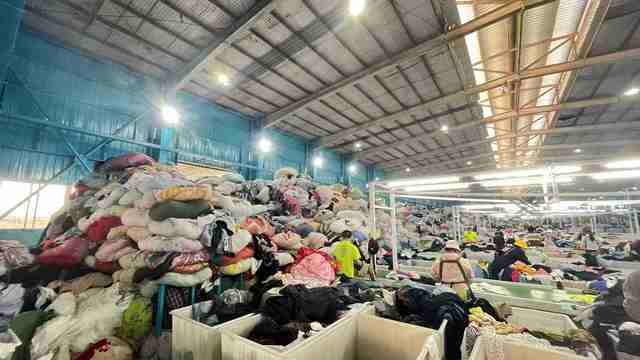
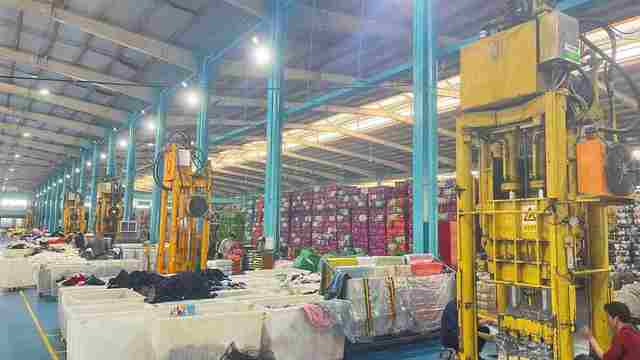
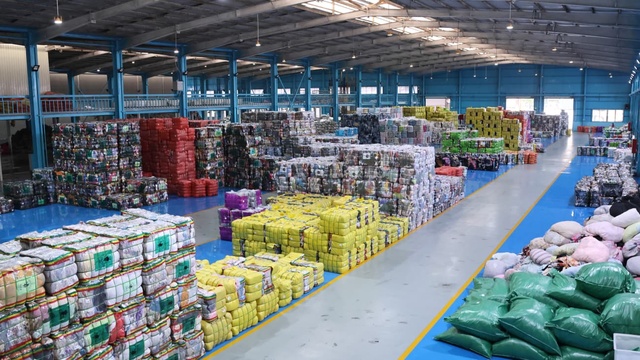
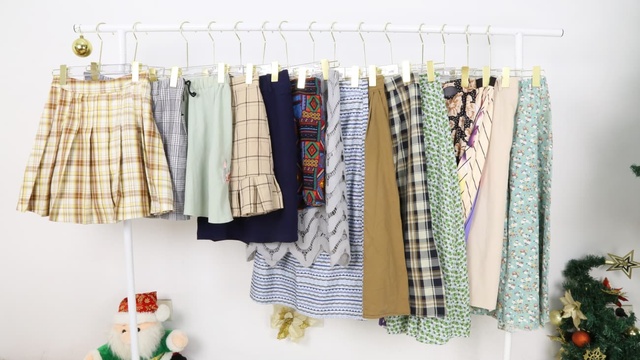
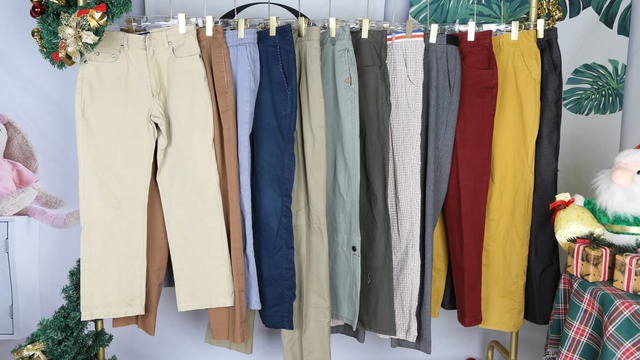
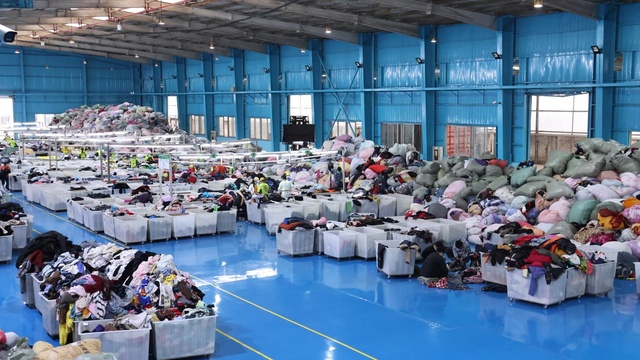
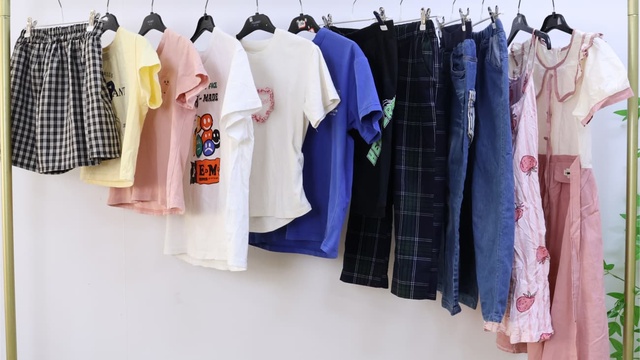
Technical capabilities designed for international buyers, wholesalers, and e-commerce leaders.
Our raw materials, processing plants, and supply chains hold leading environmental and social standard certifications, including GOTS, GRS, OEKO-TEX Standard 100, BSCI, and SEDEX audits.
We combine advanced pattern-making software with high-precision manufacturing equipment to minimize fabric waste, optimize yields, and maintain exact design tolerances.
Our experienced pattern makers and technical designers plan markers digitally to keep textile waste below 3%, recycling offcuts into insulation or composite fabrics.
Sustainable fashion is defined by the choice of fibers. Guangzhou Setor Fashion integrates certified circular and low-impact textiles into our complete product portfolio. Traditional cotton production requires large amounts of water and pesticides; in response, we have shifted our sourcing toward GOTS-certified Organic Cotton and Regenerated Cellulose fibers. We source Tencel™ and Modal from Lenzing, produced through closed-loop solvent-spinning processes that recycle over 99% of processing liquids.
For activewear, outerwear, and accessories, synthetic fibers are often necessary to provide durability, elasticity, and water resistance. To address this, we use post-consumer recycled polyester (rPET) made from ocean-bound plastics, along with recycled nylon (Econyl or equivalent GRS-certified alternatives). These materials deliver the same tensile strength and performance properties as virgin synthetics while reducing carbon footprint by up to 50% and keeping plastic waste out of landfills.
| Sustainable Fabric Type | Standard Reference | Environmental Advantage | Typical B2B Application |
|---|---|---|---|
| Organic Cotton | GOTS Certified | 91% water reduction; zero toxic pesticides. | Premium T-Shirts, Lounge Sets, Socks |
| Recycled Polyester (rPET) | Global Recycled Standard (GRS) | Made from post-consumer PET bottles. | Sportswear, Activewear, Linings |
| Lenzing Lyocell / Tencel | FSC/PEFC Closed-Loop | Sourced from managed forests, biodegrades naturally. | Summer Dresses, Blouses, Knitwear |
| Recycled Nylon | GRS Certified | Divert fishing nets & industrial waste from oceans. | Tights, Yoga Pants, Crossbody Bags |
Shipping apparel internationally requires strict compliance with varying regional standards. The European Commission has introduced Digital Product Passports (DPP) to track every step of a product's lifecycle, from fiber source to retail. In the United States, strict customs regulations require clear documentation verifying that raw materials are ethically sourced and free from forced labor.
Guangzhou Setor Fashion provides comprehensive documentation to simplify global customs clearance. Our manufacturing facilities are audited regularly to meet BSCI and SEDEX guidelines, confirming fair wages, safe working environments, and transparent production logs. We use eco-friendly dyes certified under OEKO-TEX Standard 100, ensuring our textiles are free from harmful heavy metals and chemical residue. This compliance framework protects retail brands from regulatory fines, cargo delays, and reputational risks.
For buyers in North America, Western Europe, and Australia, we provide complete compliance packages. This documentation includes Transaction Certificates (TC) for organic fabrics, Bill of Lading traceability mapping, and independent test reports from accredited third-party labs like SGS, Intertek, or TÜV SÜD.
Consumer preferences and eco-labels vary significantly by region. A sustainable apparel line designed for Northern Europe has different requirements than one for Southern California or metropolitan areas in East Asia. Setor Fashion offers flexible design adjustments to help brands launch collections tailored to regional market preferences:
Focus: Highest standards for circular design and organic materials.
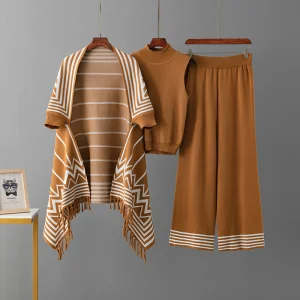
Setor Support: High-quality GOTS organic knitwear, Tencel dresses, and monomaterial garments designed for easy industrial recycling at the end of their lifecycle.
Focus: Performance wear, athleisure, and outdoor comfort.
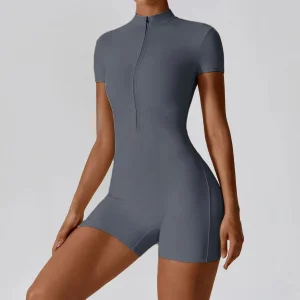
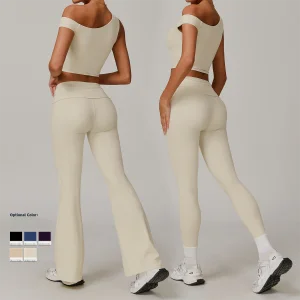
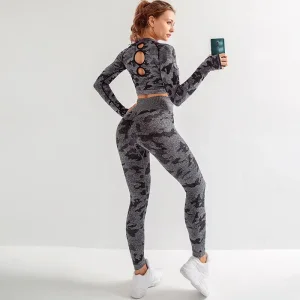
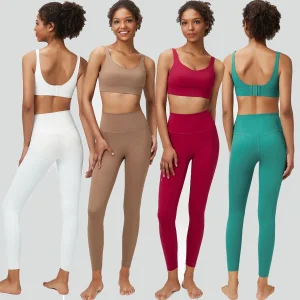
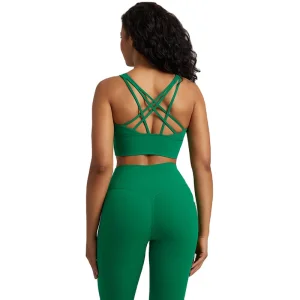
Setor Support: GRS-certified recycled polyester activewear, seamless yoga sets, and weather-resistant jackets finished with eco-friendly PFC-free water-repellent treatments.
Focus: Breathable, lightweight fabrics for hot, humid climates.
Setor Support: Anti-microbial bamboo activewear, lightweight natural linen blouses, and fast-drying recycled materials optimized for high-density city living.
Clear, transparent answers to help simplify your B2B sourcing journey.

 Setor Fashion