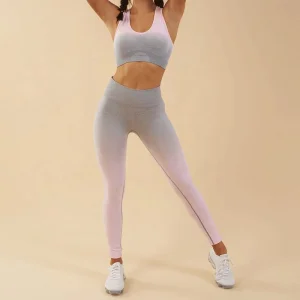
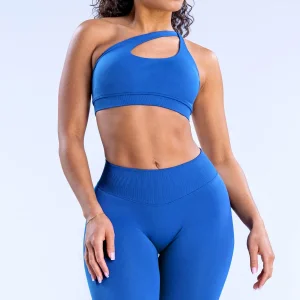
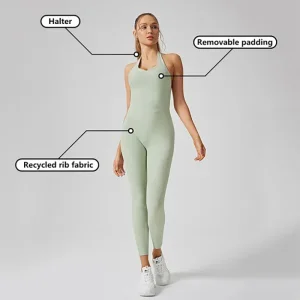
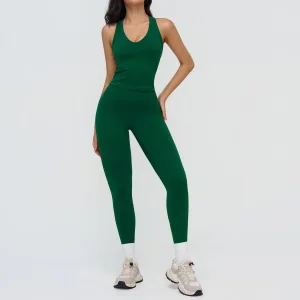
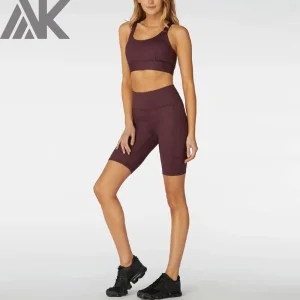
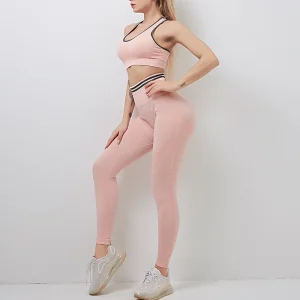
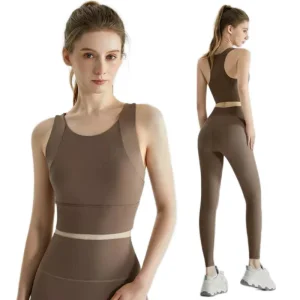
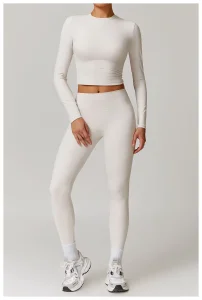
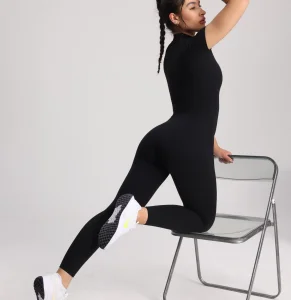
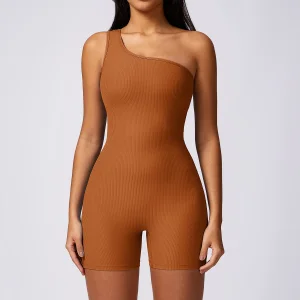
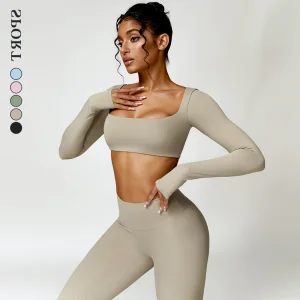
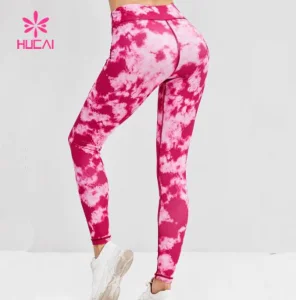
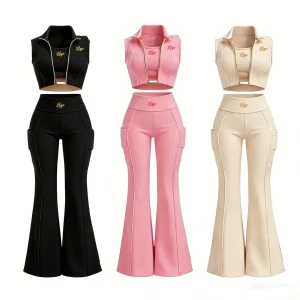
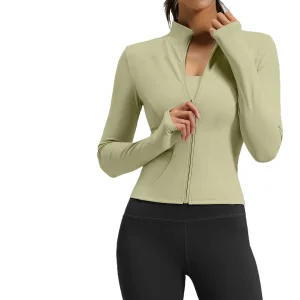
The United Kingdom represents one of the most sophisticated and dynamic athleisure and activewear markets globally. Driven by a fundamental shift towards hybrid lifestyle models, fitness consciousness, and everyday comfort, the demand for high-performance women’s activewear in the UK continues to climb. Modern British consumers do not merely request functional active apparel; they demand high-aesthetic designs that transition seamlessly from boutique fitness spaces in London’s Soho to casual meetings, outdoor trail runs in the Peak District, and everyday domestic use.
For UK apparel brands, start-ups, and established high-street retailers, securing a reliable, high-capacity manufacturing partner is critical. Sourcing agents face multiple headwinds: volatile supply chain lead times, fluctuating raw material costs, and the strict requirement to minimize environmental impact under the scrutinizing eyes of the modern UK consumer. The search for a compliant, ethical, and highly advanced manufacturing setup often points toward specialized hubs that combine material innovation with scalable, agile volume capabilities.
To thrive in this competitive space, British clothing brands require custom solutions that emphasize modern fabric technologies, pattern design versatility, and high quality control. The modern standard of activewear involves specialized fabrications, such as recycled polyamides and low-friction structures, which only seasoned manufacturers with deep material access can produce efficiently.
Achieving the status of a premier supplier for the UK market requires a dedication to technical textiles. Activewear must behave like a second skin, prioritizing thermoregulation, support, durability, and skin hygiene. Below are the key manufacturing solutions tailored for professional athletic and lifestyle collections:
Furthermore, our manufacturing line integrates anti-bacterial treatments using eco-friendly silver-ion technology, ensuring long-term fabric freshness, which is a major selling point in the premium health and fitness segments of modern cities like London, Manchester, and Edinburgh.
Our operational strength is built on a seamless bridge between local European design requirements and highly optimized East Asian manufacturing capabilities. Guangzhou Setor Fashion Co., Ltd. is a professional women's apparel manufacturer based in Guangzhou, Guangdong, China. Established in 2013, the company specializes in the design, development, and production of fashionable women's clothing for global brands, retailers, wholesalers, and e-commerce businesses.
The company's product range includes women's casual wear, dresses, blouses, skirts, knitwear, outerwear, loungewear, activewear, business attire, and seasonal fashion collections. By combining contemporary fashion trends with efficient manufacturing capabilities, Setor Fashion helps customers create competitive apparel collections that meet the evolving preferences of consumers worldwide.
Equipped with advanced production equipment and supported by a skilled technical team, the company maintains strict quality control throughout every stage of the manufacturing process, from fabric sourcing and sample development to bulk production and final inspection. Setor Fashion works closely with customers to provide customized services, including pattern making, private labeling, fabric selection, logo application, packaging design, and collection development.
Innovation and flexibility are at the core of the company's operations. An experienced design and product development team continuously researches market trends, materials, and garment technologies to support clients in launching successful fashion products. With a commitment to quality, reliability, and long-term cooperation, Guangzhou Setor Fashion Co., Ltd. has established partnerships with customers across North America, Europe, the Middle East, Australia, and other international markets. The company strives to be a trusted women's apparel manufacturer delivering fashion clothing, casual wear, and professional OEM ODM garment solutions worldwide.
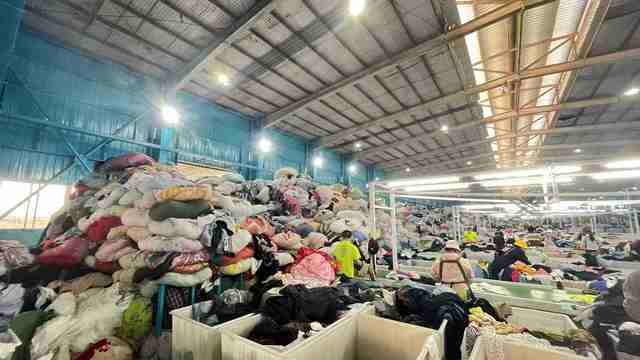
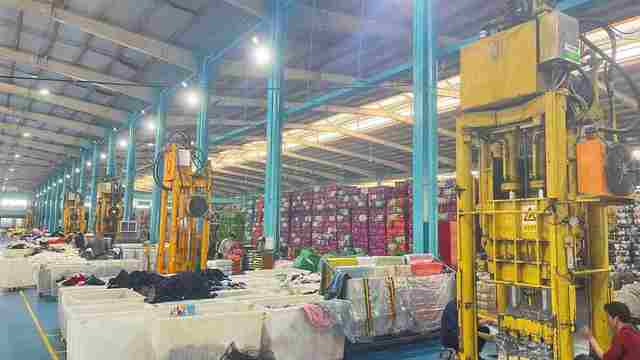
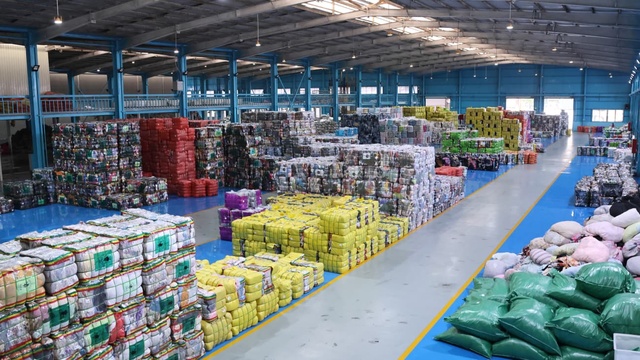
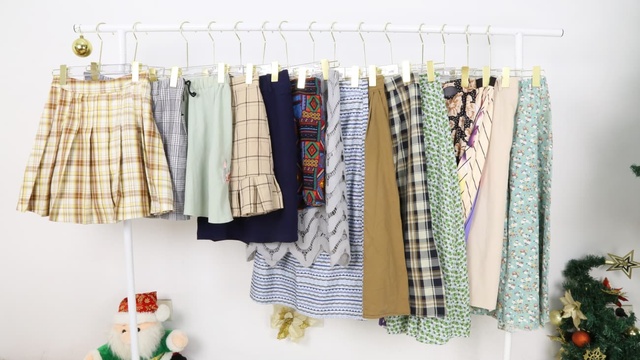
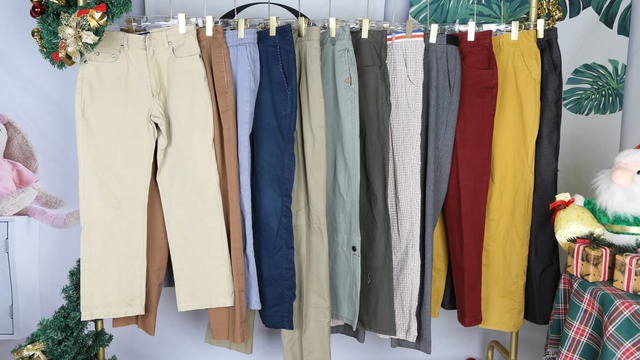
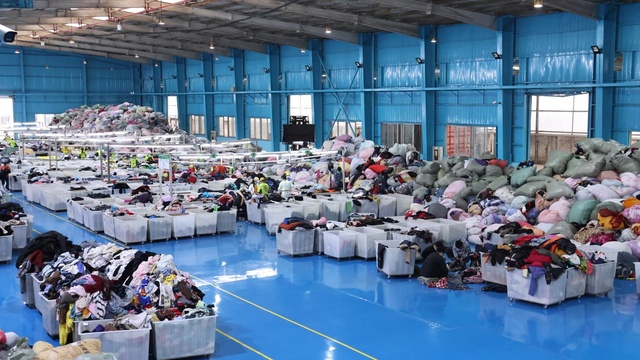
Importing apparel into the United Kingdom requires strict compliance with domestic legislation. Following the UK's departure from the European Union, standard alignments have shifted to the UKCA (UK Conformity Assessed) model, alongside strict chemical controls regulated under UK REACH. Sourcing from Guangzhou Setor Fashion Co., Ltd. ensures that every yarn, dye, and hardware element is meticulously tracked and certified.
Modern UK retail shoppers expect transparency. Our supply chain adheres to BSCI (Business Social Compliance Initiative) standards, guaranteeing safe working conditions, fair wages, and ethical treatment for all 250+ employees in our Guangzhou facility. Furthermore, all activewear fabrics are sourced under OEKO-TEX Standard 100 certifications, guaranteeing the complete absence of harmful chemical residues.
To address potential delays in maritime routes, we partner with premier global freight forwarding networks to offer structured sea, air, and multimodal rail shipping solutions. For UK clients, we manage standard sea cargo routes direct to major British ports such as Felixstowe and London Gateway, alongside fast-tracked air freight options for time-sensitive capsule launches.
Designing activewear for the British market requires understanding the diverse and unpredictable conditions under which these garments will be worn. Product performance must adapt dynamically to local weather variations and fitness environments.
As we approach 2030, the global textile industry is undergoing a digital and ecological transition. Guangzhou Setor Fashion Co., Ltd. is positioned at the forefront of this evolution, investing heavily in material sciences and modern manufacturing workflows.
By utilizing CAD integrated with AI layout optimization systems, our pattern-making specialists reduce textile waste by up to 18% during the cutting phase. This reduction translates directly to a lower carbon footprint per item and optimizes unit pricing for our partners.
Our research and development initiatives focus on maximizing the transition from virgin synthetics to ocean-bound plastics and post-consumer recycled polyesters (rPET). These materials consume 50% less energy and release 70% fewer carbon emissions during production compared to conventional synthetics.
 Setor Fashion