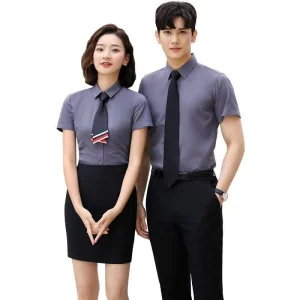
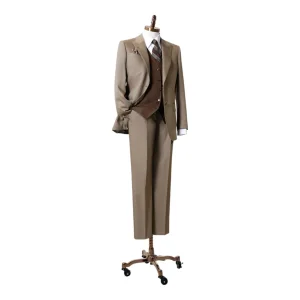
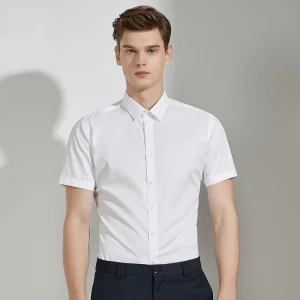
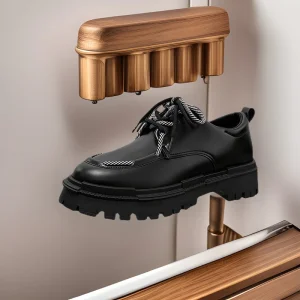
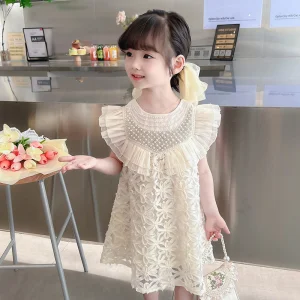
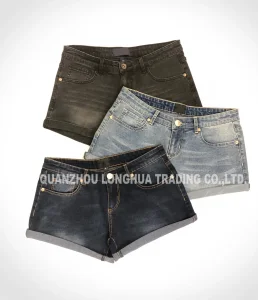
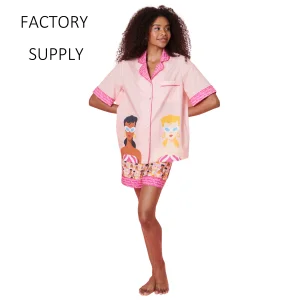
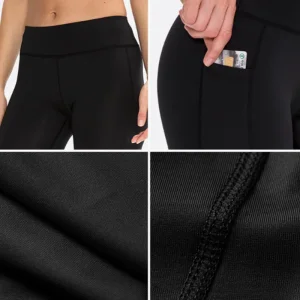
Explore our premium selection of women's and selected professional workwear products engineered for international buyers, utilizing high-quality materials and optimized manufacturing techniques.
The global retail ecosystem is experiencing a profound paradigm shift driven by digital integration, algorithmic trend discovery, and changing demographic expectations. Modern Chic Wear, which blends ergonomic utility with contemporary elegance, has emerged as the fastest-growing sector within women's apparel. Sourcing departments no longer evaluate suppliers solely on unit cost; instead, procurement decisions are guided by supply chain agility, environmental, social, and governance (ESG) compliance, and design integration.
This industry report acts as a technical manual for procurement directors, retail executives, and e-commerce operators looking to build resilient supply chains. It analyzes the operational features that define the leading manufacturers in this category, with a deep dive into China’s primary textile and garment cluster in Guangzhou, focusing on established leaders like Guangzhou Setor Fashion Co., Ltd.
According to global apparel trade data, the women's wear market is projected to reach a valuation of USD 1,012 billion by 2030, registering a CAGR of 4.8%. Within this category, "Modern Chic Wear" accounts for more than 35% of total revenue. This growth is driven by structural shifts in modern work dynamics, including hybrid work environments and the fusion of athleisure with traditional corporate wear.
International buyers face a complex sourcing landscape. Relocating production lines to low-wage economies often introduces vulnerabilities, such as lack of vertical raw material supply, weak intellectual property protection, and extended logistics transit times. As a result, global procurement strategies are shifting from simple cost calculation to a Total Cost of Ownership (TCO) model, where supplier flexibility, tech capacity, and quick-turn production are heavily weighted.
| Regional Market | Dominant Material Preference | Compliance Standard | Sourcing Lead-Time Target |
|---|---|---|---|
| North America | Pima Cotton, Modals, Spandex Blends | CPSIA, USDA Organic, Fair Trade | 30 to 45 Days |
| European Union | Linen, Organic Wool, GRS Certified Poly | REACH, OEKO-TEX Standard 100 | 40 to 60 Days |
| Middle East | Viscose Crepe, High-Density Georgette | SASO Regulations, Halal-Friendly Dyeing | 30 to 45 Days |
| APAC & Oceania | Silk-Cotton Blends, Bamboo, Hemp | AS/NZS ISO 9001, Green Product Certs | 25 to 40 Days |
Guangzhou remains at the center of the global textile and apparel manufacturing network. This dominance is built on regional industrial clusters that gather fabric weaving, wet treatment, pattern drafting, accessory manufacturing, and high-speed international logistics within a 50-kilometer radius. This layout minimizes raw material lead times and enables rapid response to global fashion trends.
Established in 2013, Guangzhou Setor Fashion Co., Ltd. represents this modern industrial capability. Utilizing a 15,000 square meter facility and a workforce of over 250 skilled employees, Setor Fashion specializes in providing professional OEM and ODM apparel solutions. Their systems are built for fast-turn production, allowing clients to scale from initial sketch to finished product efficiently.
Direct proximity to the world’s largest textile raw material markets reduces fabric procurement times from weeks to days.
Equipped with computerized CAD systems, laser cutting equipment, and real-time hanging assembly lines.
Support for customized labels, pattern drafting, packaging design, and low-MOQ trial collections.
The garment manufacturing sector is moving beyond labor-intensive sewing to adopt data-driven, automated production methods. Industry leaders are digitizing their operations to improve quality and reduce carbon footprints.
Utilizing 3D CAD modeling software reduces physical sample development loops. Digital fitting simulations minimize fabric waste and shorten prototype approval times from 14 days to 48 hours.
Automated spreading machines ensure uniform fabric tension. Multi-ply computerized cutting heads optimize fabric nesting patterns, reducing waste by up to 15% and ensuring precise piece shapes.
RFID-tracked overhead hanger lines distribute cut pieces to designated workstations automatically. Inline QA checkpoints monitor sewing tension and stitch consistency, logging data directly to the factory ERP system.
A supplier's value is determined by their ability to adapt designs to local market preferences, fit standards, and cultural requirements. Setor Fashion tailors its manufacturing processes to meet these diverse needs.
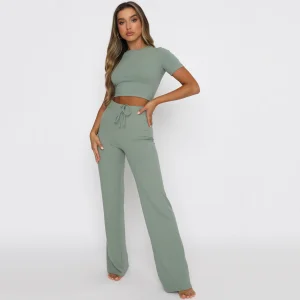
Focuses on size inclusivity, stretch recovery (spandex blends), and wash-and-wear durability for high-wear loungewear and office attire.
Emphasizes organic yarns, OEKO-TEX certified dyes, plastic-free accessories, and structured tailoring for linen vests and premium knitwear.
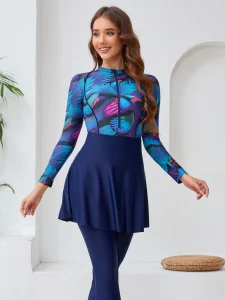
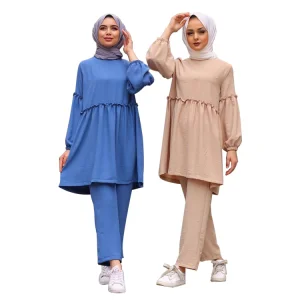
Adapts modern chic silhouettes into modest wear, featuring double-lined ruffles, opaque breathable fabrics, and UV-resistant swimwear like Burkini sets.
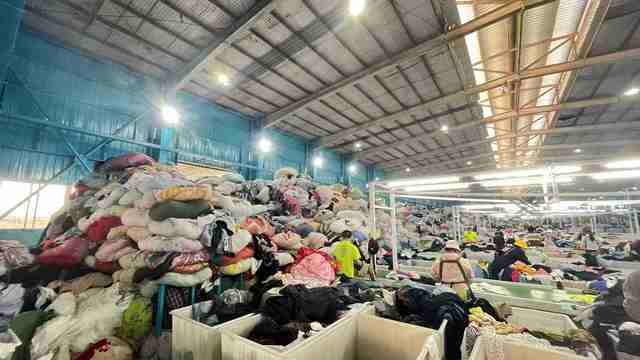
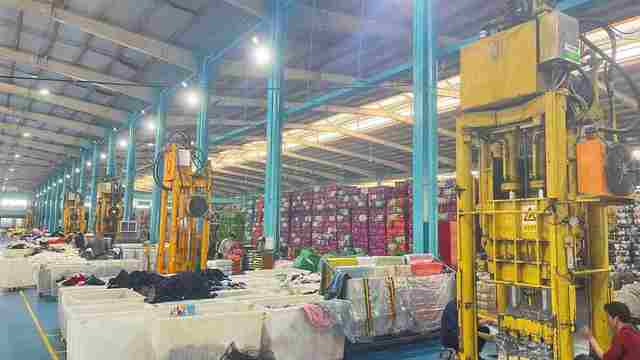
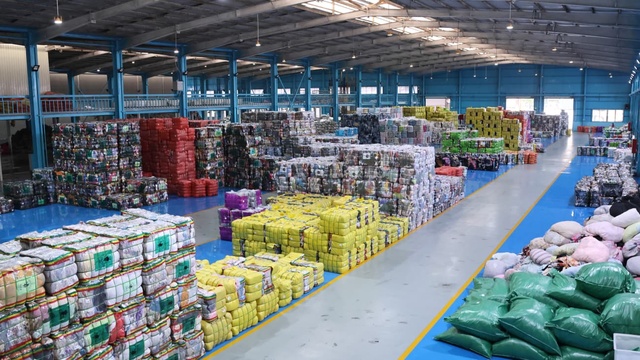
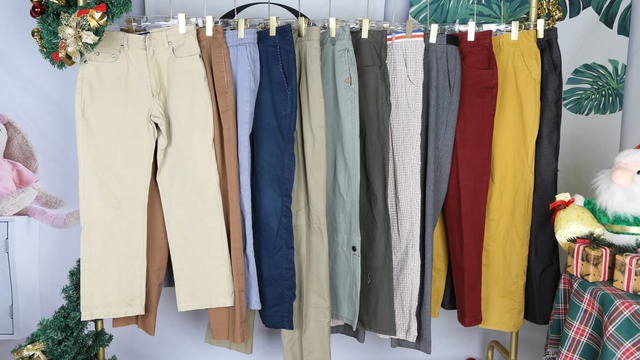
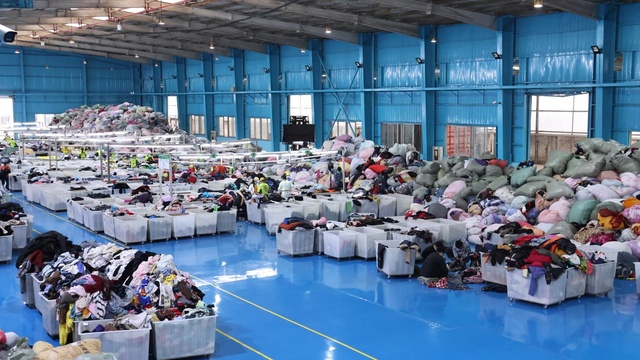
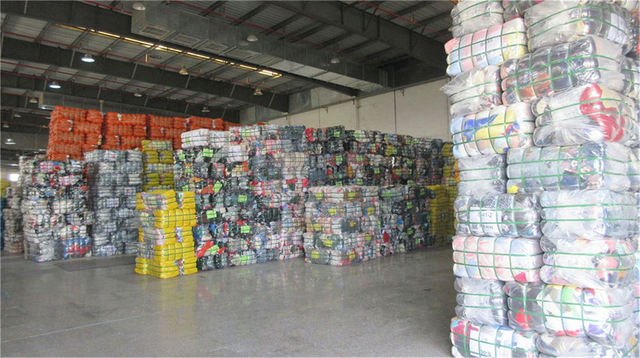
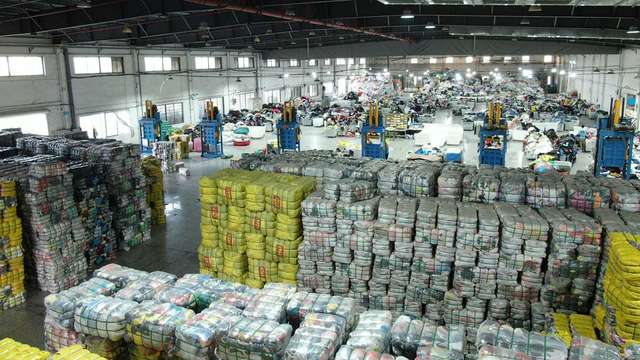
A window into Guangzhou Setor Fashion Co., Ltd.'s state-of-the-art facilities, displaying our production floor, advanced machinery, and rigorous quality check systems.
Operating a modern apparel brand requires strict adherence to international trade laws, labor standards, and chemical regulations. Safe and compliant manufacturing practices protect brand reputation and minimize risk.
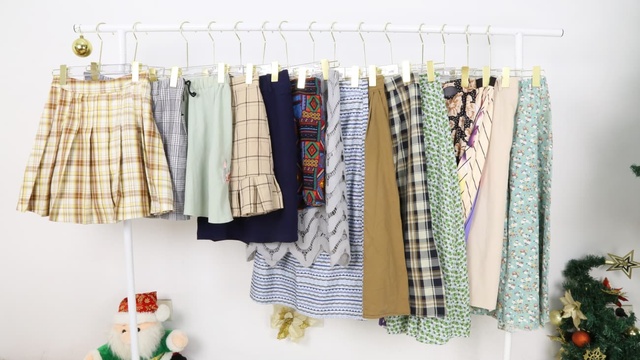
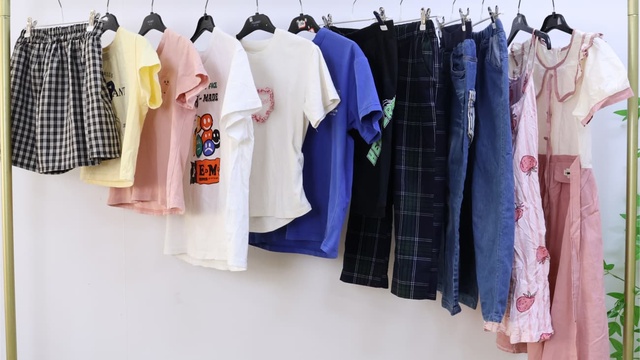
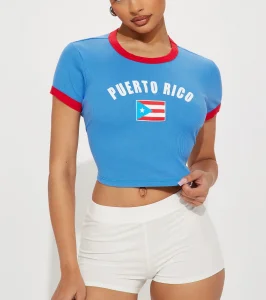
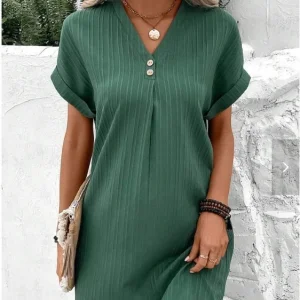
Review additional items in our export portfolio, demonstrating our versatility across diverse product categories including casual, resort, street, and lounge wear.

 Setor Fashion