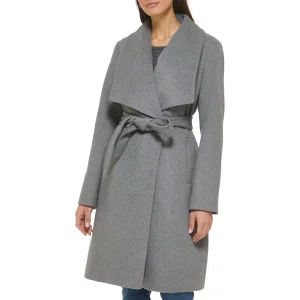
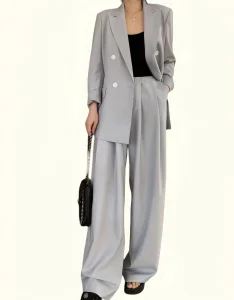
In the rapidly evolving global athleisure sector, sourcing premium functional garments demands a combination of textile engineering precision, agile supply chains, and absolute regulatory compliance. This whitepaper analyzes the capabilities, technological frameworks, and commercial solutions offered by leading manufacturers.
Global brands targeting the high-performance women's activewear segment face a highly competitive consumer landscape. Modern consumers demand garments that seamlessly transition from intense athletic training to daily leisure activities. This paradigm shift requires manufacturers to move beyond traditional cut-and-sew methodologies, adopting advanced manufacturing capabilities that utilize custom polymer extrusion, smart chemical finishes, and state-of-the-art ergonomic design.
China remains the epicenter of high-performance textile innovation, driven by integrated industrial clusters, advanced machinery, and highly skilled technicians. Guangzhou, in particular, stands as a leading manufacturing hub, offering access to high-quality raw materials, functional trim systems, and specialized logistics networks. This proximity allows brands to shorten development cycles and react quickly to market trends.
High-performance designs and custom solutions tailored for global distribution.

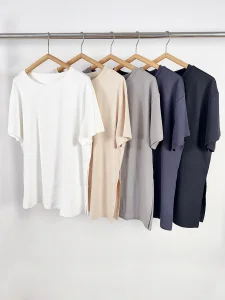
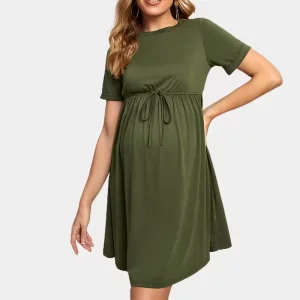
B2B buyers, supply chain directors, and retail category managers face specific challenges when sourcing women's sports apparel. To build a reliable partnership, manufacturers must satisfy requirements across several critical parameters:
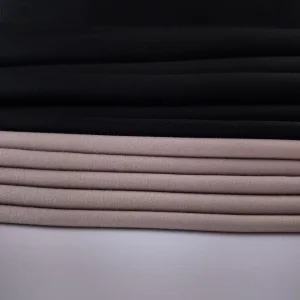
High-performance requirements demand fabric blends that feature dynamic moisture management, multi-directional elasticity (4-way stretch), and anti-microbial treatments. Sourcing agents prioritize polymers like premium nylon-spandex and custom recycled polyester.
Fast-fashion cycles require manufacturers to support quick-turn sample development (3-7 days) and flexible, tiered bulk production options. This agility helps brands manage inventory risk and respond to changing retail trends.
Verification is key to ensuring consumer safety and brand reputation. Premium facilities maintain international certifications, including OEKO-TEX Standard 100, Global Recycled Standard (GRS), BSCI, and ISO9001.
High-performance women's sportswear relies on advanced material composition. While standard activewear might use basic polyester blends, high-end athletic apparel uses customized yarn deniers and specific knit structures designed to support recovery and movement. For instance, compression wear often requires a 75/25 or 70/30 nylon-to-spandex ratio. This provides the structural support needed to minimize muscle vibration during high-intensity training while remaining breathable.
Additionally, anti-chafing construction—such as flatlock and clean-finished seams—is essential for activewear performance. Our manufacturing processes utilize specialized machinery, including flatlock flat-seaming machines, to produce low-profile joints that prevent friction. Modern fabrications also incorporate permanent moisture-wicking technology. Rather than relying on temporary chemical coatings that wash out over time, fabrics are knit with engineered cross-section fibers that pull sweat away from the skin via capillary action.
Established in 2013, Guangzhou Setor Fashion Co., Ltd. is a professional women's apparel manufacturer based in Guangzhou, Guangdong, China. The company specializes in the design, development, and production of fashionable women's clothing for global brands, retailers, wholesalers, and e-commerce businesses.
With a modern manufacturing facility covering more than 15,000 square meters and a workforce of over 250 experienced employees, Setor Fashion provides comprehensive OEM and ODM garment solutions tailored to diverse market demands. Their extensive capabilities span fabric sourcing, rapid prototyping, bulk manufacturing, and strict quality control.
Strategic Location: Operating out of Guangzhou, Guangdong, Setor Fashion utilizes China's most advanced logistics infrastructure and largest textile markets, enabling rapid component sourcing, quick material validation, and competitive shipping transit times globally.
To thrive in dynamic consumer markets, retailers need more than a transactional vendor. They require partner-manufacturers that offer comprehensive market solutions.
To mitigate inventory risks and lower capital requirements, our production planning models support flexible, scalable ordering. Brands can run small test batches of new designs before scaling up to larger production runs. Our lean manufacturing processes allow us to adjust fabric cutting and scheduling to accommodate repeat orders, helping brands keep popular sizes and colorways in stock.
Sustainability has shifted from an optional marketing angle to a core business requirement. Brands face increasing scrutiny regarding their environmental footprint. We offer verified material sourcing options, including recycled yarns made from ocean plastics (certified by GRS) and organically sourced cotton. Our dye houses utilize modern water treatment systems, reducing the environmental impact of textile production.
Custom activewear designs require significant R&D investment. Protecting that intellectual property is a key concern for global brands. We maintain strict internal confidentiality protocols. Design patterns, proprietary tech specifications, and marker files are stored securely and used only for your authorized production runs.
The integration of technology into activewear is accelerating. Tomorrow’s leading brands are already working with manufacturers on the next generation of apparel innovation.
Phase-change materials (PCMs) that absorb, store, and release heat to maintain comfort across variable exertion levels and ambient temperatures.
Direct-to-garment knitting that eliminates side seams, minimizing friction, reducing material waste, and allowing for localized, engineered support zones.
Bio-based elastane and synthetics engineered to biodegrade safely in municipal landfills, presenting a viable path to circular fashion systems.
Adopting these innovations requires a collaborative R&D process. By matching brand-side product managers with our textile technicians, we can test and refine new formulations in real-world conditions. This ensures that new products meet both performance standards and commercial cost targets before scaling to mass production.
Operating across diverse jurisdictions requires a clear understanding of international import-export regulations. Our logistics and compliance teams ensure that all export shipments comply with local standards in the target markets.
Whether navigating tariff codes for entry into North America, complying with the EU’s strict REACH chemical regulations, or preparing documentation for custom clearance in Oceania and the Middle East, we provide complete administrative support. This including packing lists, certificates of origin, and certified fabric analysis sheets.
Our partners benefit from our established relationships with international shipping lines, freight forwarders, and customs brokers. This connectivity helps reduce customs delays, optimize shipping costs, and ensure reliable delivery to your distribution hubs.
Key operational insights for global procurement managers.
Standard MOQs typically range from 500 to 1,000 pieces per style/color, depending on fabric availability. For custom-dyed or specialized functional fabrics, the MOQ may be higher to meet mill requirements. We offer flexible options for established partner brands.
Our quality control protocols cover every stage of production: Inline QC inspections monitor garment construction, while final inspections (using the AQL 2.5 standard) check measurements, stitching, and packaging before shipment. We also welcome independent third-party inspections (such as SGS or Intertek).
Yes. We offer complete OEM branding options, including high-elastic heat-seal prints, traditional embroidery, silicone transfers, custom woven labels, and recycled paper hangtags.
Sample development and prototyping typically take 7 to 10 working days, depending on material availability. Bulk production is usually completed within 35 to 45 days after pre-production sample (PPS) approval and deposit payment.
Engineered fabrics and custom-tailored designs for international markets.
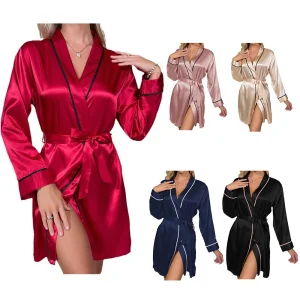
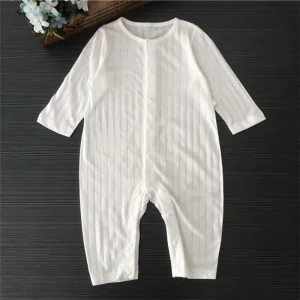
Our integrated production lines are designed to handle fabric optimization, precision cutting, sewing, and final packaging.
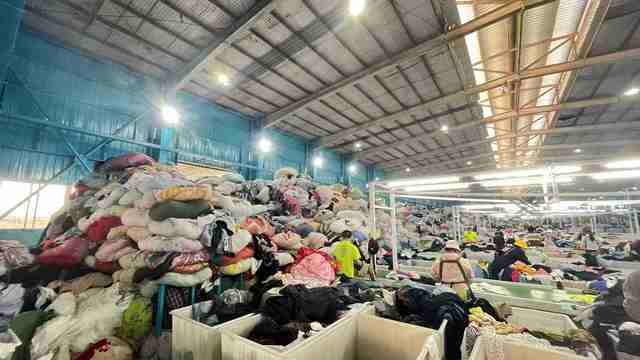
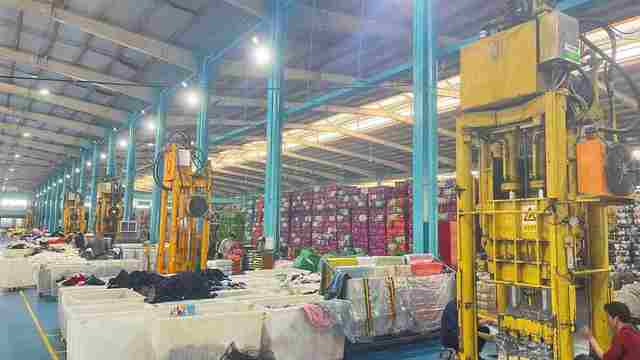
 Setor Fashion