Explore our elite portfolio of precision-manufactured, CE-compliant apparel, customized to align with global market demands.
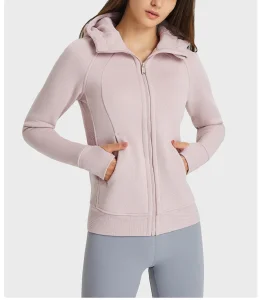
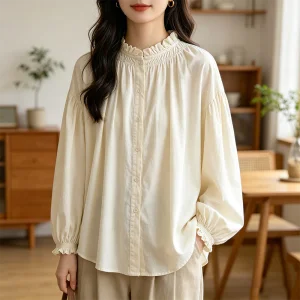
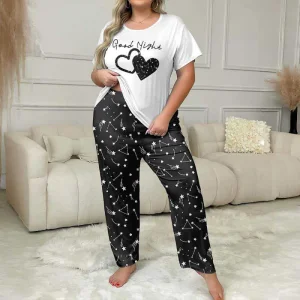
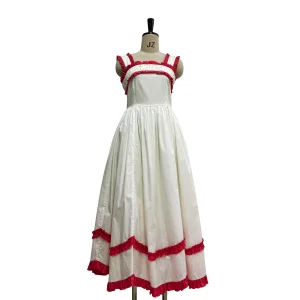

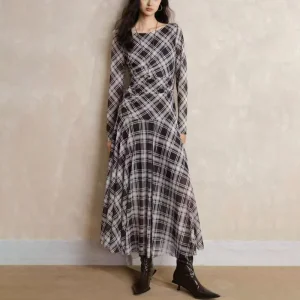
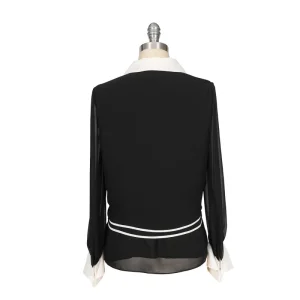

Production Facility (sqm)
Expert Workforce
Year Established
Global Export & CE Standard
In the modern consumer ecosystem, the line separating loungewear, activewear, and executive business attire has dissolved. Modern consumers prioritize structural flexibility, breathability, and versatile aesthetic signatures—a category structurally defined as Women's Easy Fashion. For enterprise buyers, global fashion brands, and multi-channel retailers, sourcing high-quality, CE-certified garments in this vertical demands an agile manufacturing partner who can mitigate supply chain risks while ensuring consistent design authenticity and legal compliance in target regions.
Guangzhou Setor Fashion Co., Ltd. has established itself at the forefront of this industrial shift. Since our establishment in 2013, our 15,000+ square meter factory in Guangzhou, China, has acted as a critical manufacturing hub. Backed by a high-efficiency team of over 250 skilled garment professionals, we execute comprehensive private labeling, complex pattern making, and custom material sourcing. We help worldwide brands translate fast-moving consumer sentiments into reliable, high-margin inventory.
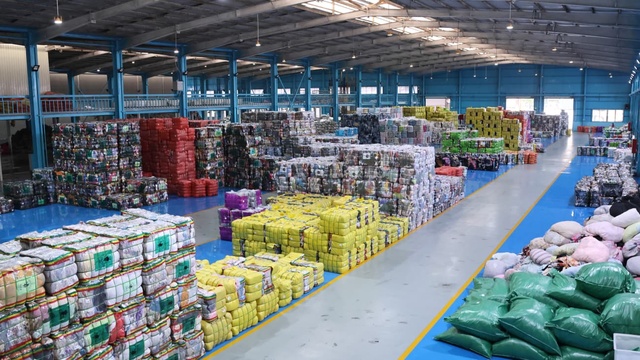
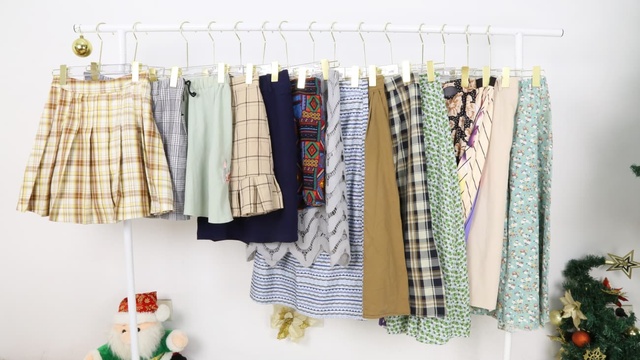
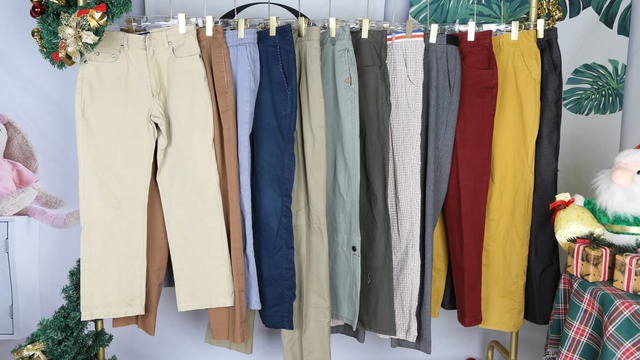
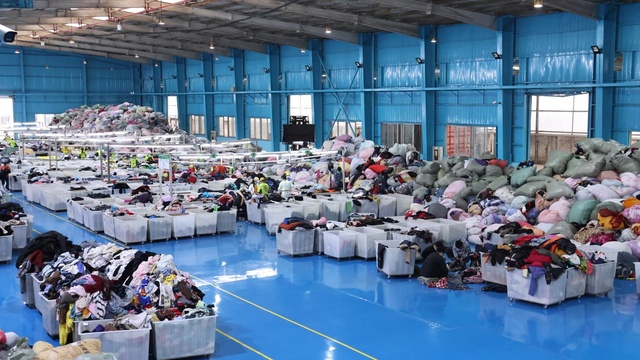
How Guangzhou Setor Fashion Co., Ltd. optimizes the global apparel value chain from fiber selection to target market distribution.
Leveraging Guangzhou's strategic geographic proximity to the world's most comprehensive fabric markets, we source certified organic cotton, recycled polyester, high-performance activewear weaves, and natural bamboo fibers, matching your brand's strict ESG requirements.
Our design team leverages predictive consumer insights and digital pattern engineering tools to construct fits that accommodate global demographic standardizations, significantly minimizing grading errors and sample iterations.
From initial fabric shrinkage testing and color-fastness analysis to inline sewing checks and final independent inspections, every garment undergoes a rigorous assessment profile that ensures alignment with CE standards.
Guangzhou Setor Fashion vs. Regional Industry Averages
Southern China—specifically the Greater Bay Area surrounding Guangzhou—represents the most advanced textile and apparel cluster on the globe. This region does not merely provide low-cost labor; it offers unparalleled industrial convergence. Our factory integrates design, sourcing, hardware manufacturing, and international logistics into a single, cohesive process.
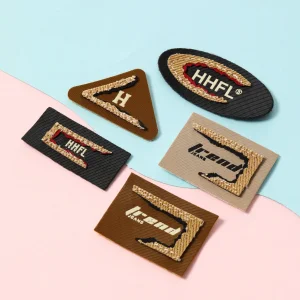
This proximity-based ecosystem allows Guangzhou Setor Fashion Co., Ltd. to secure materials, accessories, custom woven labels, packaging, and trims in real time. The resulting optimization reduces lead times by up to 40% compared to fragmented Southeast Asian supply chains. For multi-channel retailers, this speed prevents missed trends, lowers inventory holding risks, and allows for rapid, demand-driven restocking.
Adapting product architecture to meet distinct consumer preferences across North America, Europe, the Middle East, and Australia.
Focuses on size inclusivity (up to 5XL) in loungewear, athleisure-focused sportswear sets, and premium knitwear. Designs prioritize durability, washability, and easy-maintenance fabrics like bamboo fibers and modal blends.
Demands strict environmental compliance, GOTS-certified organic cotton options, and OEKO-TEX standard trim. Aesthetics Lean toward sophisticated, minimalist designs with neutral palettes, and structured casual outerwear.
The Middle East seeks flowing, elegant long dresses, lightweight evening gowns, and breathable fabrics. Australia values light, UV-resistant casual linen alternatives, sun-protective sportswear, and high-breathability sleepwear.
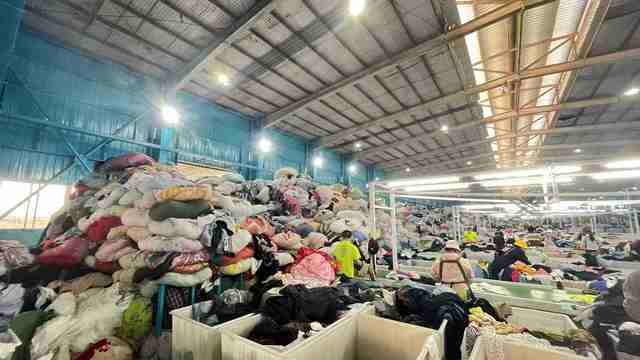
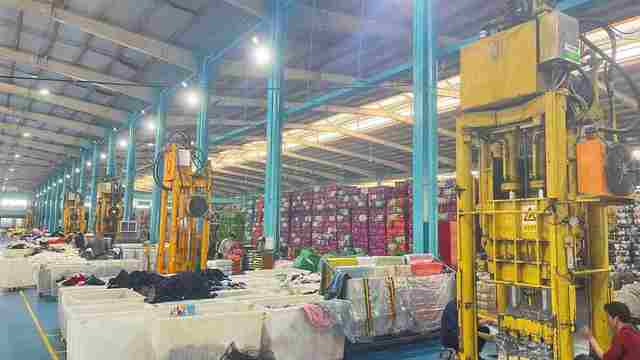
A transparent view inside Guangzhou Setor Fashion Co., Ltd.'s modern manufacturing plants.
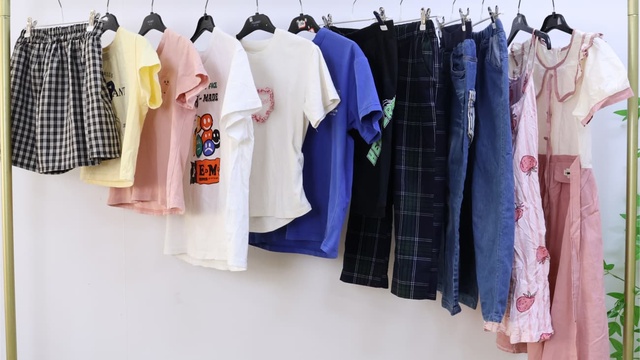
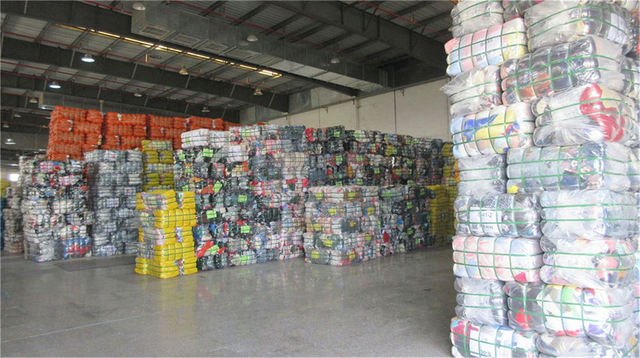
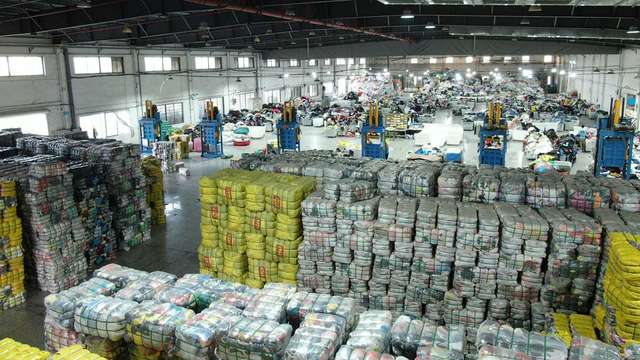
Anticipating regulatory updates, sustainable raw materials, and smart textiles in global trade.
European Union regulatory frameworks are driving global apparel industries to transition toward circular lifecycles. Global enterprises must prepare for Digital Product Passports (DPPs) and expanded producer responsibility. Sourcing networks must integrate recycled and bio-degradable fibers to meet future sustainability targets.
Mass-production systems are evolving into flexible, micro-batch models. Predictive sales analytics allow retailers to order small initial quantities, with real-time scaling for popular SKUs. This demand-driven framework prevents overproduction, stabilizes brand margins, and ensures inventory health.
Safety, chemical, and physical quality verification have become standard requirements for global trade. Third-party testing for heavy metals, formaldehydes, and structural integrity ensures compliance with international import regulations. Working with certified suppliers protects brand reputation and avoids costly customs delays.
E-commerce growth requires suppliers to handle rapid updates, customized packaging, and private labeling. Modern manufacturers must act as dynamic logistics partners, offering seamless API support and flexible production to help online brands adapt quickly to changing digital markets.
Answers to key regulatory, production, and sourcing questions from global procurement directors.
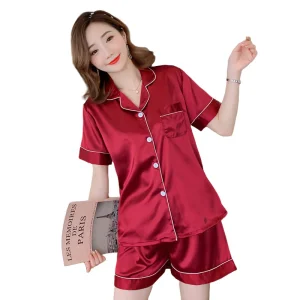
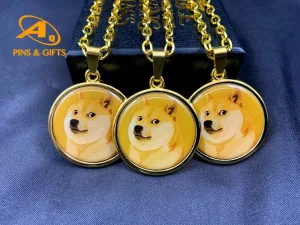
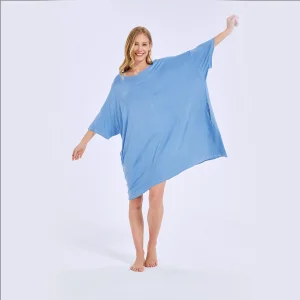
Additional custom apparel lines and merchandising items engineered for high-performance retail portfolios.
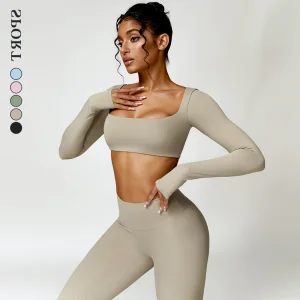



 Setor Fashion