
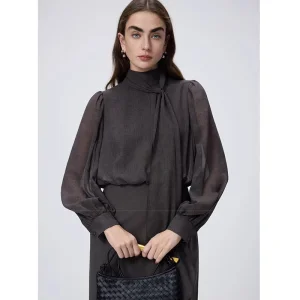
The Tokyo metropolitan area represents one of the most sophisticated, design-intensive, and quality-critical markets for women's formal and professional apparel. With major corporate hubs concentrated in Marunouchi, Otemachi, and Roppongi, alongside upscale cultural and hospitality zones in Ginza and Nihonbashi, the demand for high-end professional garments is characterized by an uncompromising expectation of functional precision, structural longevity, and aesthetic refinement.
Unlike Western formal wear markets, which often separate corporate attire from ceremonial garments, the Tokyo market demands fluid transitionality. Contemporary Tokyo consumers seek apparel that adheres to traditional cultural expectations of modesty and decorum while showcasing modern silhouettes, breathable technology, and effortless maintenance (such as anti-wrinkle and machine-washable properties). This duality presents unique challenges for global supply chains, making technical expertise and rigorous quality assurance critical differentiators for apparel manufacturers.
"Sourcing for the Tokyo market requires more than high production speed; it demands compliance with Japan's JIS textile standards and a deep understanding of Japanese corporate culture's nuances."
In Tokyo's professional ecosystem, women's formal apparel is segmented into distinct cultural and seasonal use cases, requiring specific material configurations and silhouettes.
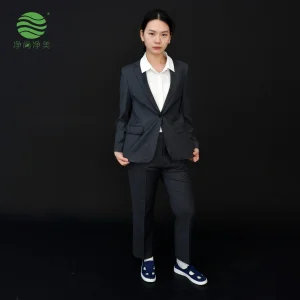
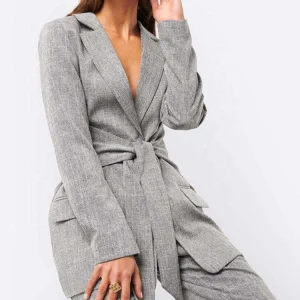
In Tokyo's financial districts, the expectation is structured elegance. Blazer suits, matching trouser sets, and pencil skirts in navy, charcoal grey, and soft beige are preferred. Fabrics must offer shape retention to withstand long commutes on public transit while maintaining comfort.
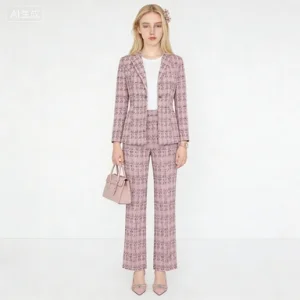
Seasonal transitions in Japan mark significant life events, such as Nyugakushiki (school entrance ceremonies) in April and graduation ceremonies. Mothers and professionals demand premium tweed jacket ensembles and delicate chiffon accent pieces that convey respect and refinement.
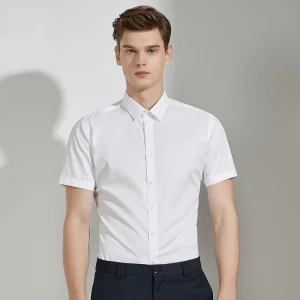
Initiated by the Ministry of the Environment, Japan's "Cool Biz" campaign demands lightweight, moisture-wicking formal wear that allows professionals to maintain elegance in Tokyo's humid summers. Smart blouses with sheer paneling, short-sleeve structure shirts, and unlined blazer options are essential.
The global market for women's formal and corporate wear is undergoing a structural shift toward functionality-driven luxury and conscious consumerism. The traditional dichotomy between stiff business suits and comfortable casual wear has dissolved, giving rise to "hybrid formal wear." This category utilizes technical textiles originally developed for activewear, blending them with traditional formal tailoring.
Simultaneously, environmental regulations across major consumer markets, including Japan's Law on Promoting Green Procurement, are driving demand for sustainable material sourcing. Major global brands and local Tokyo retailers alike are prioritizing suppliers who can offer certified recycled fibers, eco-friendly dye processes, and traceable manufacturing paths. Manufacturers with advanced design systems can reduce cut-waste, optimize inventory, and lower carbon footprints across the supply chain.
As a global sourcing hub, Guangzhou stands at the center of textile innovation and garment production efficiency. Guangzhou Setor Fashion Co., Ltd. exemplifies this manufacturing capability, serving as a trusted partner for international brands, boutique labels, and retailers looking to enter or scale within the Tokyo market.
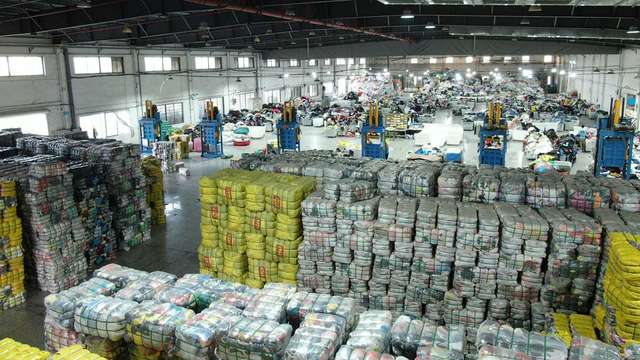
Guangzhou Setor Fashion Co., Ltd. is a professional women's apparel manufacturer based in Guangzhou, Guangdong, China. Established in 2013, the company specializes in the design, development, and production of fashionable women's clothing for global brands, retailers, wholesalers, and e-commerce businesses. With a modern manufacturing facility covering more than 15,000 square meters and a workforce of over 250 experienced employees, Setor Fashion provides comprehensive OEM and ODM garment solutions tailored to diverse market demands.
The company's product range includes women's casual wear, dresses, blouses, skirts, knitwear, outerwear, loungewear, activewear, business attire, and seasonal fashion collections. By combining contemporary fashion trends with efficient manufacturing capabilities, Setor Fashion helps customers create competitive apparel collections that meet the evolving preferences of consumers worldwide.
Equipped with advanced production equipment and supported by a skilled technical team, the company maintains strict quality control throughout every stage of the manufacturing process, from fabric sourcing and sample development to bulk production and final inspection. Setor Fashion works closely with customers to provide customized services, including pattern making, private labeling, fabric selection, logo application, packaging design, and collection development.
Innovation and flexibility are at the core of the company's operations. An experienced design and product development team continuously researches market trends, materials, and garment technologies to support clients in launching successful fashion products.
With a commitment to quality, reliability, and long-term cooperation, Guangzhou Setor Fashion Co., Ltd. has established partnerships with customers across North America, Europe, the Middle East, Australia, and other international markets. The company strives to be a trusted women's apparel manufacturer delivering fashion clothing, casual wear, and professional OEM ODM garment solutions worldwide.
Setor Fashion's location in Guangzhou allows it to leverage the world's most complete fabric and trim sourcing ecosystem. From the initial sample design to final logistics dispatch, the proximity to high-grade textile mills, advanced zipper/button manufacturers, and specialty dyers ensures that any specific material requested by Japanese buyers can be quickly sourced and processed.
Entering and maintaining market share in Tokyo's retail environment requires strict adherence to localized standards. Sourcing partners must implement operational frameworks designed to meet these requirements:
We offer end-to-end logistics coordination to simplify customs clearing at major Japanese ports, including Tokyo Bay, Yokohama, and Osaka.
Accurate Harmonized System (HS) codes classification to minimize customs delays and duty optimization.
Choose between rapid Air Express (3-5 days delivery directly to Tokyo Narita/Haneda) or economical ocean freight for bulk volumes.
Retail-ready packaging, individual polybagging, barcode labeling, and hanger packing available to reduce processing times at Japanese warehouses.
The convergence of sustainable material science and digital technology is defining the next generation of formal wear manufacturing.
By integrating generative design and artificial intelligence with historical body measurement databases, we are refining digital patterns to match the specific physical proportions of the Japanese demographic, ensuring an optimal out-of-the-box fit.
We are actively expanding our catalog of bio-based synthetics, plant-derived dyes, and recycled polymers. Partnering with localized Tokyo brands to offer closed-loop garment return systems aligns with the accelerating Japanese consumer focus on SDGs (Sustainable Development Goals).
Developing real-time digital twins of our production lines in Guangzhou allows Tokyo design offices to monitor production runs, trace fabric processing milestones, and adjust ordering quantities dynamically to respond to market shifts.
To provide maximum flexibility for high-end boutique brands and testing programs in Japan, our minimum order quantity typically starts at 100-300 pieces per style/colorway. For custom fabric developments, MOQ requirements may vary depending on textile mill specifications.
Every batch of incoming fabric is subjected to a four-point inspection system. We test for shrinkage, dry/wet crocking, perspiration fading, and light fastness according to Japanese Industrial Standards (JIS L codes). We cooperate directly with third-party testing centers like QTEC to issue certified validation documents before cutting.
Our sampling phase takes 7-10 working days. Bulk production takes 25-35 days, depending on style complexity and material availability. Shipping via express air takes 3-5 days to Tokyo, while sea freight to the Tokyo Port/Yokohama Port takes 10-14 days.
Yes, we provide full private labeling, brand tags, custom washing instruction cards, and specific outer packaging formats. Labels can be customized with Japanese text and barcodes matching your retail inventory systems.
We follow a zero-needle policy. All garments are passed through automated conveyor needle detection machines (equivalent to 1.0mm steel ball sensitivity). Once approved, products are immediately sealed in a restricted access area to prevent contamination before packing.
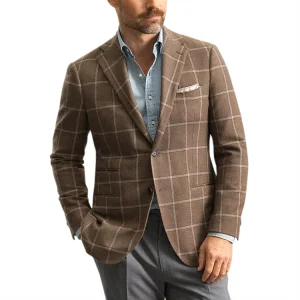
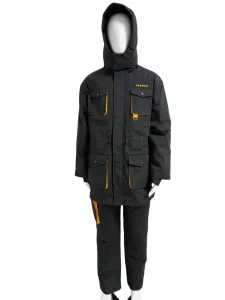
Yes, our flexible production line features specialized sections for kid's formal wear (such as school academy uniforms) and tailored men's dress items (including specialized shirts and trousers), maintaining the same quality standards across all divisions.
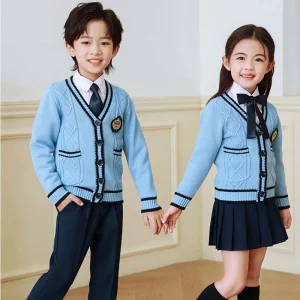
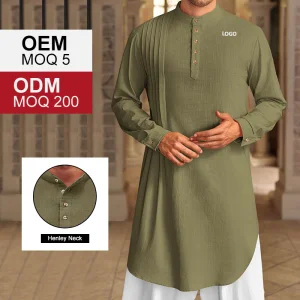
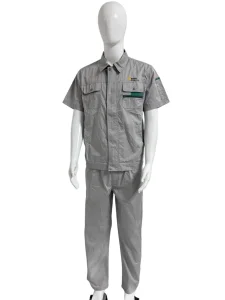
Partner with Guangzhou Setor Fashion for certified Japanese-compliant fabrication, high-precision construction, and rapid supply chain synchronization.
Send Inquiry Now Setor Fashion