 Setor Fashion
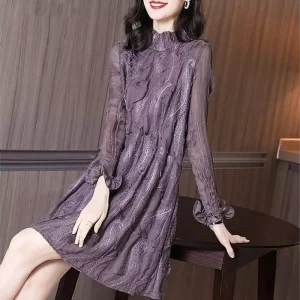
Curated premium-grade silhouettes designed for extreme market adaptability, optimized for West African consumer demand patterns and seasonal transitions.
The consumer goods market in West Africa, specifically within the Republic of Ghana, is undergoing a profound structural shift. Guided by urbanization, rising middle-class disposable incomes, and the hyper-social nature of Ghanaian cultural customs, the demand for high-quality, contemporary women's fashion has scaled exponentially. From major trading hubs like the historic Makola Market in Accra and the expansive Kejetia Market in Kumasi, local retailers and boutique owners require supply chains that are both agile and highly resilient.
Unlike standard global markets, the Ghanaian garment distribution network relies heavily on mixed distribution channels where high-street boutiques co-exist with vast wholesale networks. Importers face the critical task of sourcing garments that satisfy local cultural requirements—such as modest styling, bright color fastness, and suitability for religious ceremonies—while offering the structural durability required for long-term wear in warm, humid tropical zones.
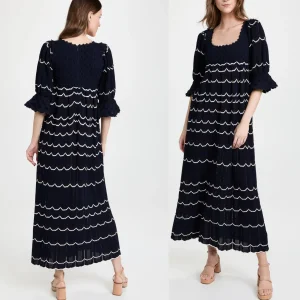
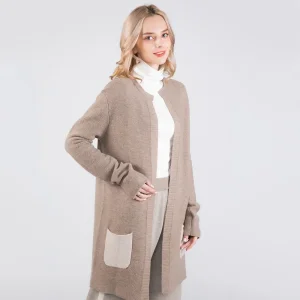
Premium lace blends, modest silhouettes, and specialized knitwear curated to capture market share within Ghana's affluent social calendar and corporate sectors.
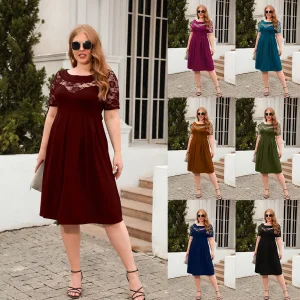
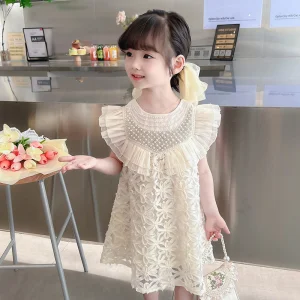
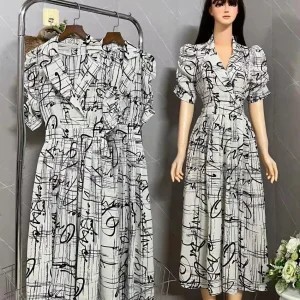
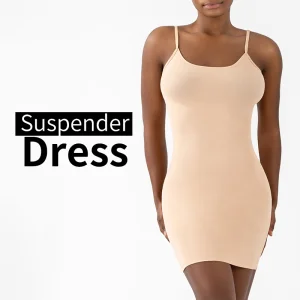
Operating a modernized facility of over 15,000 square meters in the heart of China's fashion capital, Guangzhou, Guangzhou Setor Fashion Co., Ltd. has spent over a decade establishing itself as a premier partner for apparel brands across Sub-Saharan Africa. Since our inception in 2013, our production infrastructure has evolved to incorporate advanced manufacturing paradigms that align with the requirements of major importing companies in Ghana.
We solve the key challenges that face modern African B2B buyers: lack of supply transparency, volatile lead times, and inconsistent garment finishing. By utilizing computerized pattern design systems, digital plotting, and semi-automated sewing operations, we secure dimensional stability and standard stitch consistency across large production batches. Our QC workflow operates under a strict four-step protocol (Raw Fabric Inspection, Inline Assembly Check, Pre-Ironing Dimension Check, and Pre-Packaged Random Sampling), keeping batch failure rates below 0.3%.
Our agile production floor supports low Minimum Order Quantities (MOQs) alongside large-scale contract manufacturing capabilities, providing Ghanaian importers with the ability to launch targeted regional collections without bearing excessive capital risk.
Transparency is the cornerstone of trust. Explore our modern workshop and shipping hub located in Guangzhou, China.
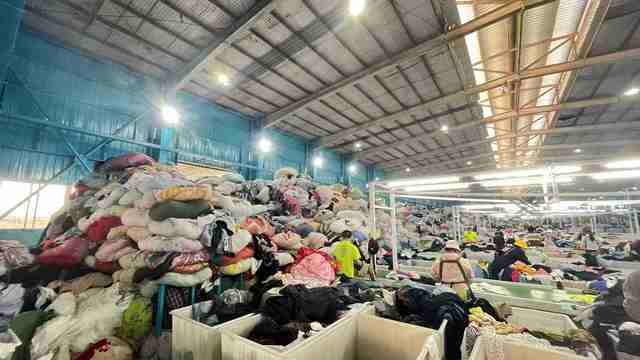
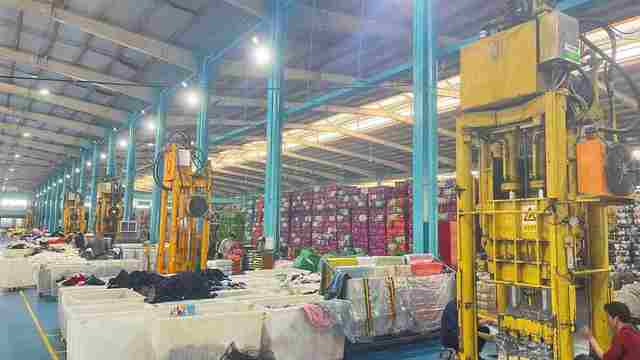
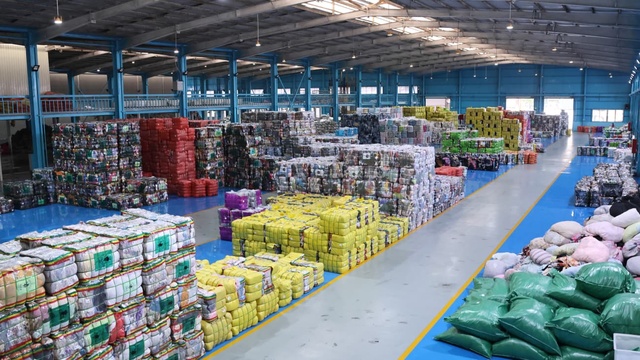
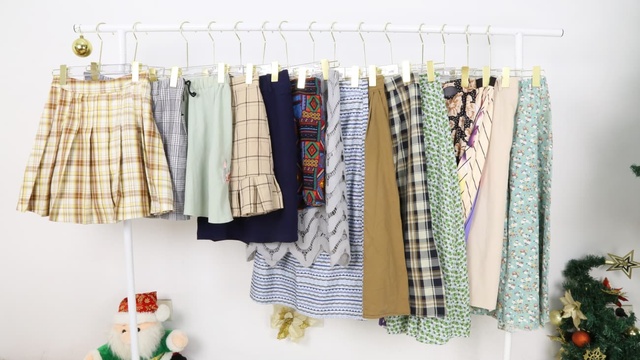
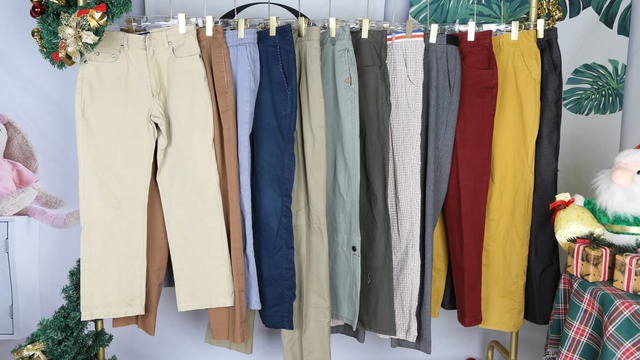
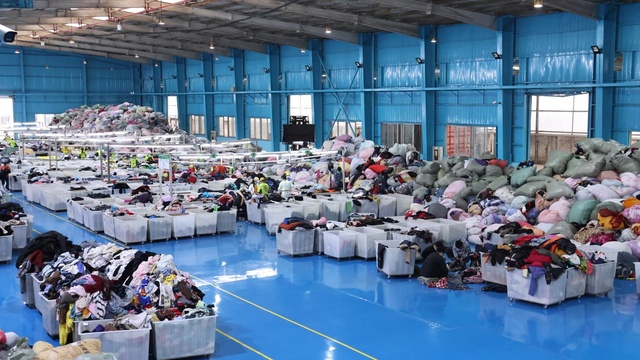
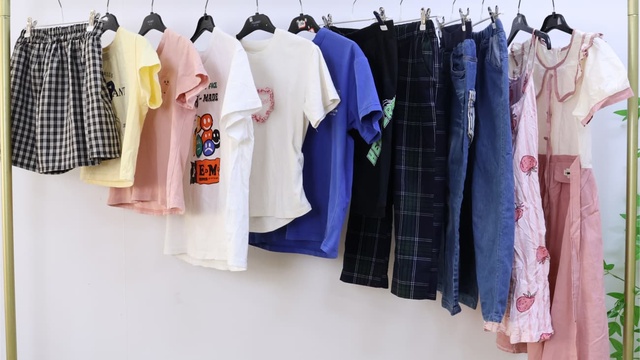
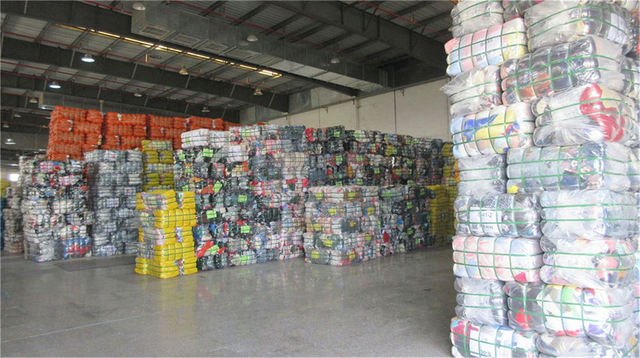
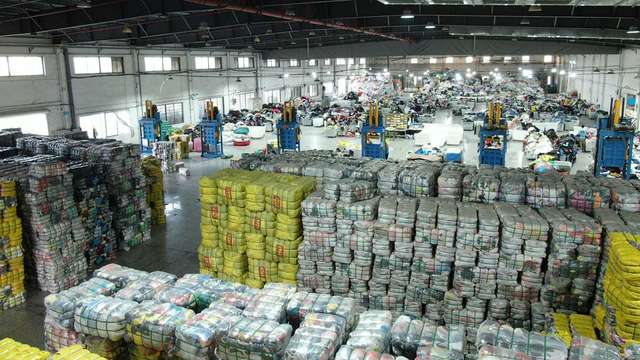
Our raw material sourcing is optimized for wearability under the climatic challenges of coastal and sub-Saharan Africa. The heat of Accra or Kumasi demands clothing that actively wicks moisture while resisting sunlight discoloration. Setor Fashion coordinates directly with verified raw material suppliers to procure specialized polymers, colorfast synthetic laces, and breathable linen-blends that withstand intensive laundering cycles without shrinkage.
Our structural parameters include:
Our logistical operations team is well-versed in the procedures of the Ghana Revenue Authority (GRA). Shipping goods from Guangzhou to Ghana requires meticulous documentation to avoid costly storage fees at the Port of Tema or Kotoka International Airport.
We provide a comprehensive export package which includes custom-declared commercial invoices, packing lists with precise HS code designations (specifically under Section XI, Chapters 61 and 62 for apparel), Certificates of Origin, and Bill of Lading documentation. Whether you operate through a consolidated groupage service or import full 20ft/40ft containers, our shipping department guarantees smooth clearing processes.
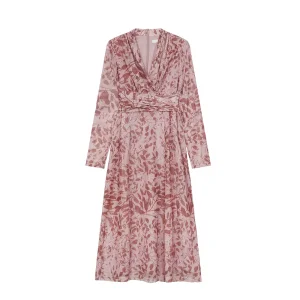
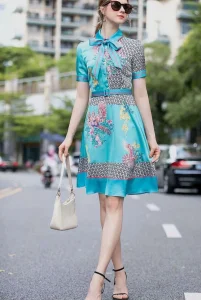
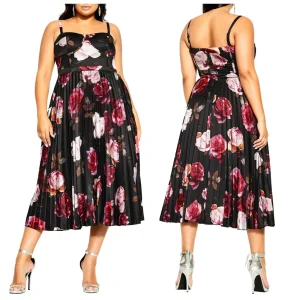
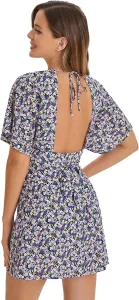
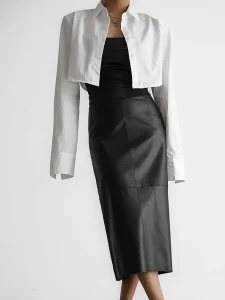
The core catalog engineered for high volume distribution networks. Featuring premium materials, robust zippers, and highly versatile fits for the African market.
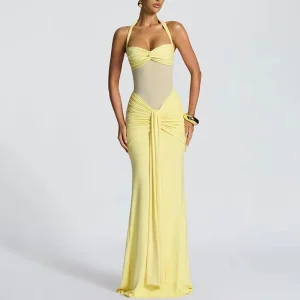
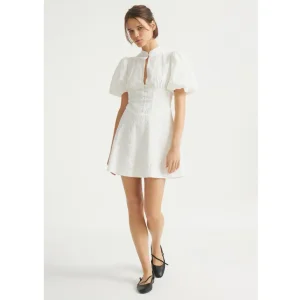
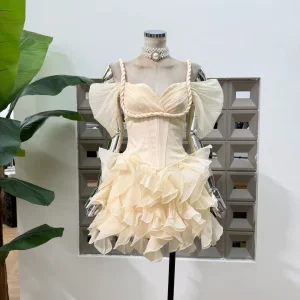
Under the Economic Community of West African States (ECOWAS) Common External Tariff (CET), textile and apparel imports into Ghana are subjected to specific custom duties designed to protect domestic light manufacturing while facilitating international trade. Sourcing finished women's garments requires precise harmonized tariff descriptions. Incorrect declaration of fabric composition (e.g., classifying a premium cotton blend as high-end silk) can lead to customs hold-ups or heavy penalties at the Port of Tema.
Setor Fashion mitigates this by generating clear, legal packing lists and commercial invoices specifying fiber weight, exact polyester-to-cotton ratios, and standard industrial HS codes. We collaborate with pre-shipment inspection services such as SGS or Cotecna to secure compliance certificate issuance prior to vessel boarding in Guangzhou.
A recurring failure point for Ghanaian retail startups importing from Asian manufacturers is the sizing framework. Standard Asian fit profiles do not align with the average physiological measurements of West African women, particularly regarding hip-to-waist ratios, chest width, and armscye (armhole) depth. Buying generic stock often leads to high return rates from consumers.
At Guangzhou Setor Fashion Co., Ltd., our computer-aided pattern design (CAD) software stores specialized West African sizing databases. We adjust shoulder width, lower bodice length, and sleeve openings to achieve a comfortable, flattering fit. This guarantees that whether you order plus-size striped casual dresses or formal bodycon designs, they fit the target market without requiring expensive alterations.
Ghana's climate is characterized by warm temperatures and high humidity year-round, punctuated by the dusty Harmattan winds. Fabrics must be selected for breathability and structural integrity. Poor-quality polyester fibers trap body heat, leading to discomfort and skin irritation, while low-grade dyes bleed when exposed to sweat.
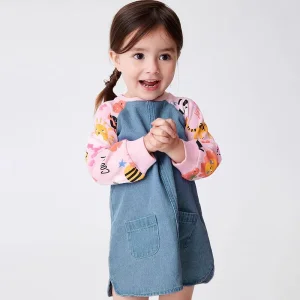
Our raw material warehouse selects yarns based on tensile strength and colorfastness ratings under moisture exposure. We recommend lightweight blended mesh lining for premium maxi dresses to maintain body temperature regulation, and mercerized cotton threads for kidswear to prevent skin abrasion.
Holding excess stock in Accra's central business districts is expensive due to high commercial warehouse rent. Successful retail chains rely on Lean Inventory Management—starting with a low-volume trial batch (e.g., 100-200 units per style) to test consumer response before scaling up production.
Our production floor is designed for high-flexibility operations. We can rapidly reconfigure assembly lines to adjust to your real-time sales data. If a specific mesh print maxi dress outperforms other designs, we can process a reorder within 7 to 10 days, securing continuous stock availability during seasonal shopping rushes.
Expert insights covering logistics, customization options, tariffs, payment processing, and quality assurance workflows.
For custom OEM/ODM dress designs (where we manufacture using your tech packs, tags, and specific measurements), our standard MOQ starts at 100-200 pieces per style/colorway depending on fabric requirements. For catalog styles using standard, readily available materials, we can accommodate lower quantities. Contact our sales department to discuss custom pilot runs.
Sea freight shipping from the Port of Nansha (Guangzhou) or Port of Shenzhen to the Port of Tema, Ghana, generally takes between 30 to 40 days. Air cargo shipments (via Guangzhou Baiyun International Airport to Kotoka International Airport, Accra) take approximately 5 to 7 working days, including consolidation and export custom clearances.
Yes. Our in-house design and pattern-making department specializes in sizing adaptations. We modify standard global sizing templates to include wider hip curvatures, adjusted bust parameters, and comfortable sleeve widths suitable for West African anthropometric profiles, ensuring excellent consumer fit and reducing return rates.
We provide full branding services, including woven main labels, satin care instruction tags, thick paper hang tags, custom barcodes, and branded zip-lock frosted bags. You can send us your logo and design guidelines, and our packaging specialists will prepare production layouts for your approval before printing.
Our typical payment terms are a 30% deposit upon order confirmation and sample approval, with the remaining 70% balance payable against the presentation of the Bill of Lading (B/L) copy or prior to shipment. We accept Telegraphic Transfer (T/T), Letters of Credit (L/C) for larger transactions, and Western Union/MoneyGram for sample orders.
Partner with Guangzhou Setor Fashion Co., Ltd. for scalable women's apparel manufacturing. Minimize inventory stockouts, secure your margins, and deliver high-quality contemporary designs to the Ghanaian market.