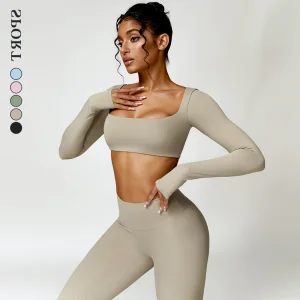
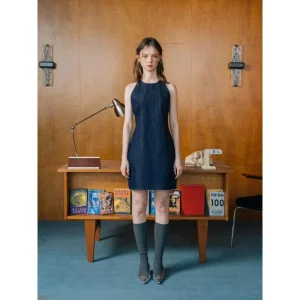
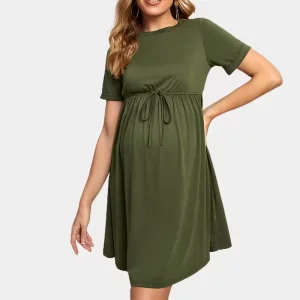
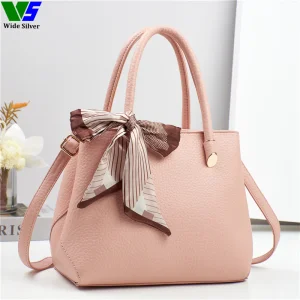
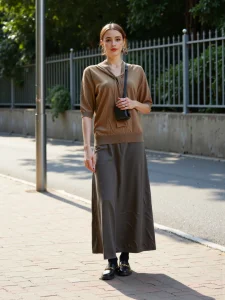
Explore our flagship OEM/ODM products optimized for modern retail, ranging from breathable athleisure sets to luxury silk loungewear.
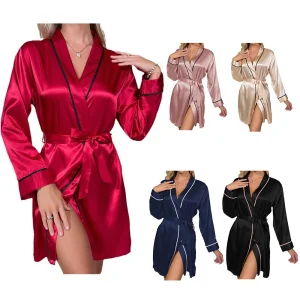
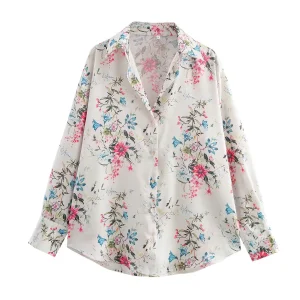
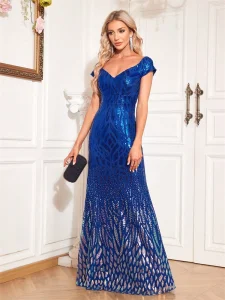
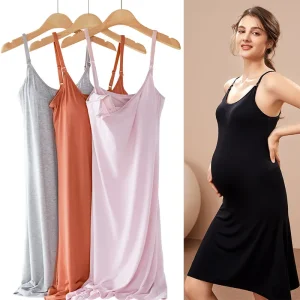
Understanding shifting demographics, economic drivers, and procurement benchmarks in contemporary fashion.
The global women's apparel market has experienced a profound structural shift. The traditional boundary dividing classic luxury apparel from fast-turnaround mass market products has dissolved. In its place, the "Contemporary Style" sector has emerged as the fastest-growing apparel vertical worldwide, commanding over $150 billion in market value. This category merges high-end, designer-led aesthetics with fast-to-market production timelines, presenting a unique operational challenge for global retail executives.
Modern consumers demand versatile, transitional wardrobes—garments that easily shift from professional environments to social spaces and athleisure functions. Consequently, modern brands require manufacturing partners that offer deep fabric expertise, precision pattern engineering, and a responsive supply chain capable of producing small-batch, diverse designs without compromising quality metrics.
Enterprise fashion buyers in North America, Western Europe, and APAC face rising customer expectations. Consumer search intent data indicates a massive surge in queries targeting terms like *ethical sourcing, long-term durability, functional textiles,* and *flexible garment fits*. To capture these markets, brands must work with factories that do not just perform basic assembly, but actively participate in collaborative design development (ODM) and rapid technical prototyping.
This structural change requires factories to maintain robust, direct access to raw material markets, deploy computerized CAD/CAM design programs, and implement strict quality assurance frameworks that align with international compliance standards.
Why Guangzhou remains the world's most advanced supply cluster for contemporary women's apparel.
While basic sewing work has shifted to lower-cost labor regions, the production of complex, contemporary women's fashion remains concentrated in highly specialized industrial clusters. Guangzhou, China stands as the world's premier production hub for this segment. The efficiency of Guangzhou's apparel ecosystem is anchored in its unrivaled supply chain density.
Within a 50-kilometer radius, factories have direct access to the world’s largest textile raw material markets, specialized trim suppliers, precision dyeing facilities, pattern-making studios, and advanced shipping networks. This close proximity reduces sample development timelines from weeks to days, allowing brands to capitalize on micro-trends before they fade.
Furthermore, Guangzhou's highly skilled technical workforce excels at handling delicate fabrics—such as silk, linen, structured denim, knitted wools, and high-performance spandex—with the precision required for premium contemporary retail.
Founded in 2013, Guangzhou Setor Fashion Co., Ltd. demonstrates the strategic power of Guangzhou's manufacturing hub. Occupying a modern facility of more than 15,000 square meters and staffed by over 250 skilled specialists, Setor Fashion bridges the gap between raw design concepts and market-ready products.
By integrating pattern making, digital fabric sourcing, customized grading, and rigorous quality checks under one roof, the company provides a streamlined path for international brands. Rather than managing multiple fragmented vendors, clients partner with a single source that oversees every stage from initial design to final custom-packaged shipping.
A closer look at the scale, efficiency, and international reach driving our production facility.
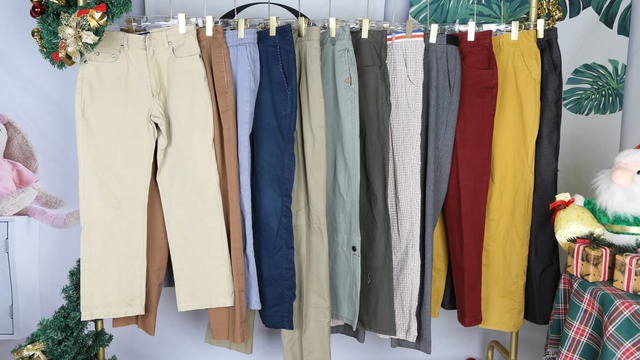
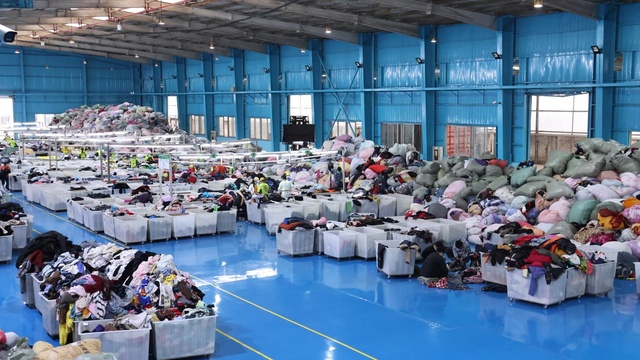
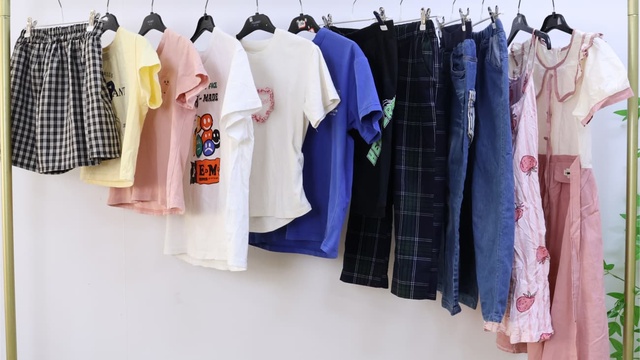
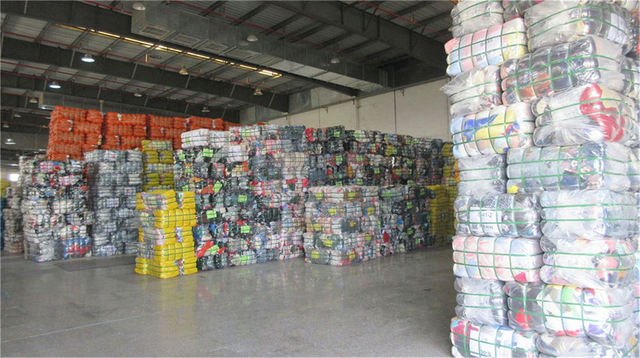
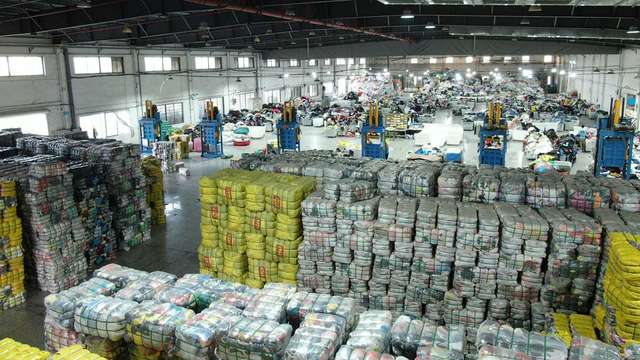
A transparent look at our production floor, sample rooms, pattern development center, and quality control departments.
How top-tier buyers manage procurement criteria, regional design requirements, and regulatory standards.
Different business models require distinct factory characteristics. Modern fashion sourcing generally falls into four distinct categories:
Importing apparel into markets like North America, the European Union, and Australia requires navigating complex regulatory standards. Key areas include textile label declarations, flame retardancy laws, and restricted chemical regulations (such as REACH and California Proposition 65).
Reliable contemporary factories like Guangzhou Setor Fashion Co., Ltd. manage these requirements through rigorous, pre-production testing of all fabrics and trims. By partnering with certified laboratories, the factory ensures that every shipment meets chemical safety and physical performance benchmarks, including colorfastness, shrinkage limits, and seam strength.
A direct comparison between traditional sourcing models and the agile, technology-driven model offered by Guangzhou Setor Fashion.
| Performance Indicator | Traditional Sourcing Models | Agile Tech-Driven Sourcing (Setor Fashion) | Strategic Advantage for Brands |
|---|---|---|---|
| Sample Development Time | 14 - 28 Business Days | 3 - 7 Business Days | Accelerates time-to-market, allowing brands to respond instantly to trending designs. |
| Fabric Sourcing Capacity | Limited, localized stock selections | Direct access to premier regional textile markets | Provides immediate access to advanced, custom, and sustainable fabrics. |
| Minimum Order Volume (MOQ) | High MOQs per style and colorway | Flexible MOQ parameters with scalable tiers | Reduces upfront inventory investment and mitigates overstock risks. |
| Quality Assurance Integration | Post-production, third-party inspection | Inline QA at every phase (cutting, sewing, packing) | Significantly reduces defect rates and customer return percentages. |
| Design Service Scope | OEM assembly only (customer tech packs) | Comprehensive OEM & ODM design services | Provides expert technical design support from concept to final product. |
Analyzing key consumer preferences, functional textile trends, and regional requirements across global markets.
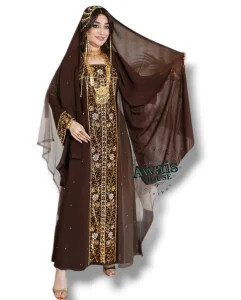
A key challenge in contemporary fashion sourcing is adapting product lines to different regional fit standards. Consumers in North America often require roomier silhouettes and longer hemlines compared to European shoppers, who generally prefer closer-fitting, structured cuts. In the Middle East, there is steady demand for modest designs, requiring long sleeves, high necklines, and opaque, breathable fabrics like linen and high-grade chiffon.
Guangzhou Setor Fashion Co., Ltd. addresses these differences through expert pattern development. Using specialized CAD systems, the factory's design team modifies master patterns to align with regional size tables. This ensures proper fit and drape across a diverse range of styles, from casual activewear to formal evening wear.
The contemporary apparel industry is increasingly focused on sustainability. Brands are moving away from virgin synthetics toward eco-friendly materials, such as organic cotton, linen, silk, recycled nylon, and wood-derived fibers like Tencel and Modal. These materials must deliver on both sustainability and performance, offering benefits like moisture management, shape retention, and a premium hand-feel.
This shift requires factories to maintain strong relationships with certified yarn spinners and dye houses. Modern production facilities must prove their materials are sustainably sourced and processed, helping brands build trust with eco-conscious consumers.
A step-by-step look at how Guangzhou Setor Fashion transforms concepts into high-quality retail collections.
The process begins with the client's design assets, which can range from basic sketches to detailed tech packs. The factory's technical designers analyze the details, focusing on fabric weight, seam construction, trim placement, and grading requirements. The pattern department then generates a 2D/3D digital model, which is used to cut the initial sample.
Once the initial design is set, the factory leverages its local sourcing networks to find the exact fabrics and trims required. Samples undergo testing for shrinkage, color fastness, and fiber content before bulk production begins, ensuring the materials perform well over time.
After the sample is approved and bulk production starts, the fabric is laid out and cut using computerized cutting machines. This ensures high precision and minimizes fabric waste. Next, the panels are sent to specialized sewing lines, where skilled operators assemble the garments under the supervision of inline quality controllers.
Every garment undergoes steam pressing and a thorough final inspection. Quality control teams check dimensions, sewing tension, and trim placement. Only approved items are tagged, packed in custom polybags, and prepped for global shipment.
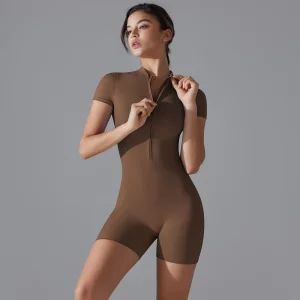
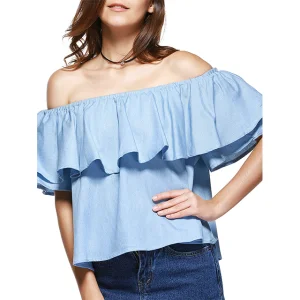
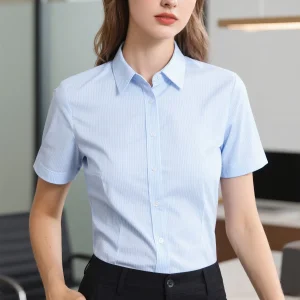
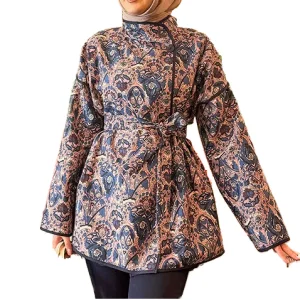
A second collection of contemporary styles, including eco-friendly activewear, modest chiffon styles, and winter knitwear.
Expert answers to common questions about OEM/ODM contemporary apparel manufacturing, MOQs, and lead times.
 Setor Fashion