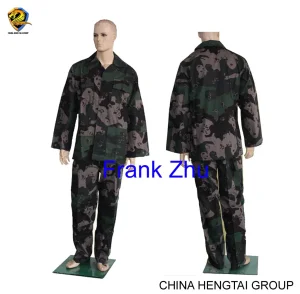
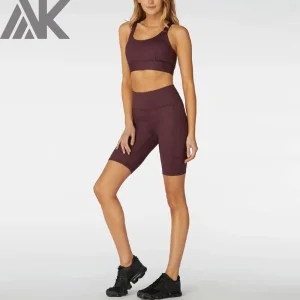
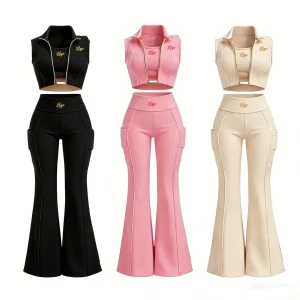
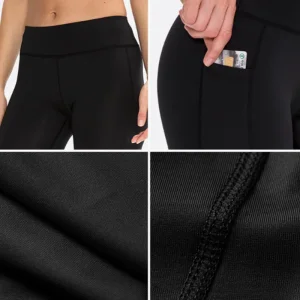
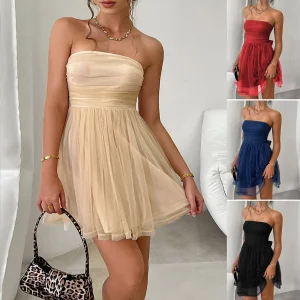
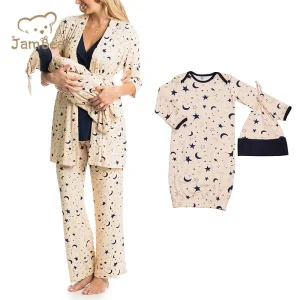
Explore our highly curated collection of versatile, high-demand outerwear, activewear, and customized lifestyle garments engineered for the modern DTC brand.
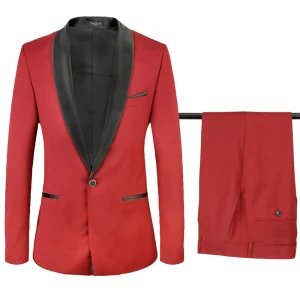
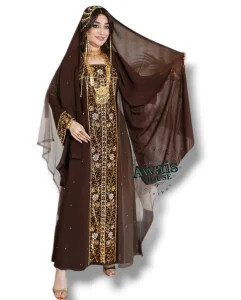
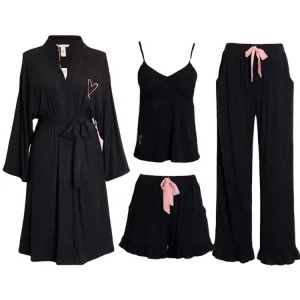
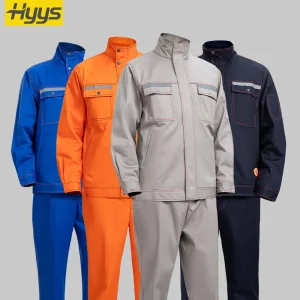
Unifying state-of-the-art craftsmanship with dynamic supply chain infrastructure to power the world's leading streetwear labels.
Guangzhou Setor Fashion Co., Ltd. is a professional women's apparel manufacturer based in Guangzhou, Guangdong, China. Established in 2013, the company specializes in the design, development, and production of fashionable women's clothing for global brands, retailers, wholesalers, and e-commerce businesses. With a modern manufacturing facility covering more than 15,000 square meters and a workforce of over 250 experienced employees, Setor Fashion provides comprehensive OEM and ODM garment solutions tailored to diverse market demands.
The company's product range includes women's casual wear, dresses, blouses, skirts, knitwear, outerwear, loungewear, activewear, business attire, and seasonal fashion collections. By combining contemporary fashion trends with efficient manufacturing capabilities, Setor Fashion helps customers create competitive apparel collections that meet the evolving preferences of consumers worldwide.
Equipped with advanced production equipment and supported by a skilled technical team, the company maintains strict quality control throughout every stage of the manufacturing process, from fabric sourcing and sample development to bulk production and final inspection. Setor Fashion works closely with customers to provide customized services, including pattern making, private labeling, fabric selection, logo application, packaging design, and collection development.
Innovation and flexibility are at the core of the company's operations. An experienced design and product development team continuously researches market trends, materials, and garment technologies to support clients in launching successful fashion products. With a commitment to quality, reliability, and long-term cooperation, Guangzhou Setor Fashion Co., Ltd. has established partnerships with customers across North America, Europe, the Middle East, Australia, and other international markets. The company strives to be a trusted women's apparel manufacturer delivering fashion clothing, casual wear, and professional OEM ODM garment solutions worldwide.
Analyzing key shifts in modern consumption patterns, brand-to-consumer pipelines, and the evolution of urban apparel manufacturing.
Traditional seasonal cycles have transitioned to micro-drops. Brands rely on real-time market data to deploy high-frequency collections, demanding high flexibility and low minimum-order replenishment protocols from manufacturers.
Street fashion is no longer purely aesthetic. Techwear integrations—breathable meshes, water-repellent zippers, windproof insulation, and utility silhouettes—have set a new quality baseline for urban apparel brands.
Governments and consumers demand environmental accountability. Top manufacturers are pioneering post-consumer recycled polyesters, organic cotton knits, and zero-waste printing to retain high EEAT standards.
Street fashion is a major driver of the global apparel market, valued at over $185 billion. This category is characterized by subcultural expression, premium comfort, and utility. The modern female consumer expects streetwear to seamlessly transition from active lifestyle settings to high-casual events. This shift requires manufacturers to master both technical woven fabrics and soft, breathable circular knits.
Furthermore, the democratization of fashion marketing through social platforms has intensified the speed of trends. A design concept popular on TikTok or Instagram must reach storefronts within weeks, not months. Guangzhou Setor Fashion leverages optimized fabric inventories and dynamic digital pattern grading to reduce lead times, helping brands capture micro-trends without overproducing inventory.
How localized production ecosystems, skilled labor pools, and rapid logistics infrastructures maintain China's dominance in streetwear manufacturing.
China's apparel manufacturing sector remains highly competitive due to specialized industrial clusters. In the Greater Bay Area, particularly within Guangzhou, the proximity of textile mills, hardware suppliers (zippers, snaps, eyelets), wash houses, and modern container ports creates a highly integrated production ecosystem.
This geographic concentration allows Guangzhou Setor Fashion Co., Ltd. to secure materials, build physical mockups, and run quality trials faster than factories in fragmented regions. When a client requests a specific fabric blend or custom-dyed utility buckle, sourcing occurs locally within hours. This micro-cluster capability minimizes transportation overhead, reduces the carbon footprint of domestic components, and protects production schedules from global logistics disruptions.
Developing street style garments tailored to the unique regulatory, cultural, and environmental demands of key global markets.
Prioritizes heavy-weight cotton hoodies, oversized drop-shoulder tees, and athleisure coordinates. Sizing charts are calibrated for comfort-fit curves. Emphasizes durability and machine-wash resilience.
Prefers minimalist, structural outerwear, refined knit vests, and earth-toned loungewear. Demands compliance with chemical restrictions (REACH) and calls for certified organic or GRS-certified fibers.
Demands experimental cuts, asymmetrical draping, modular pockets, and lightweight tech fabrics. Focuses on sweat-wicking properties, UV protection, and layered utility windbreakers.
Embracing advanced production methodologies, machine learning, and automation to eliminate waste and optimize yield.
The apparel manufacturing landscape is shifting from manual labor-intensive operations to digitized, high-efficiency ecosystems. Guangzhou Setor Fashion Co., Ltd. is actively integrating automation and digitalization across its operations:
Utilizing digital CAD software with AI-nesting algorithms allows patterns to be positioned to minimize waste. This reduces raw fabric waste per run by up to 15%, reducing carbon footprint and material costs.
Creating highly accurate 3D digital renderings of garments allows brands to verify drape, fit, and pattern placement virtually. This reduces physical sampling phases, saving weeks in the development cycle.
Computer-guided laser cutters ensure clean edges and dimensional accuracy across high-volume production. Automated sewing lines are used for uniform components like pockets and zippers to maintain quality.
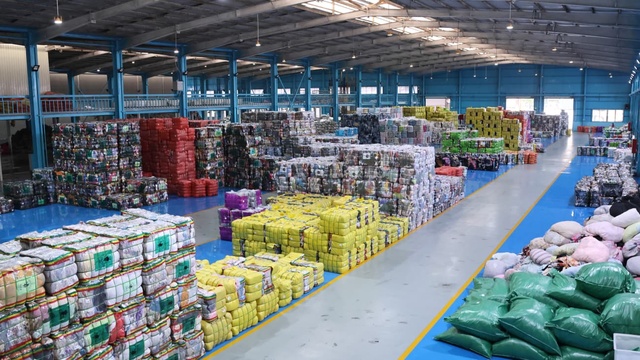
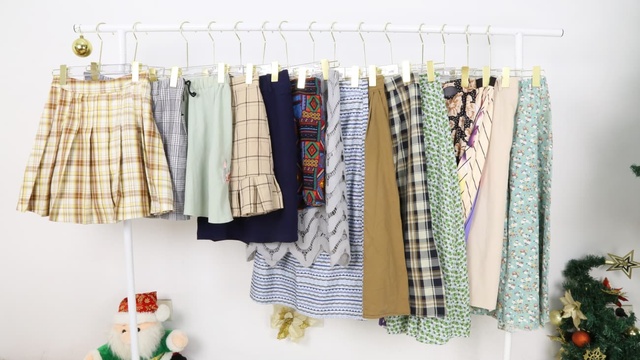
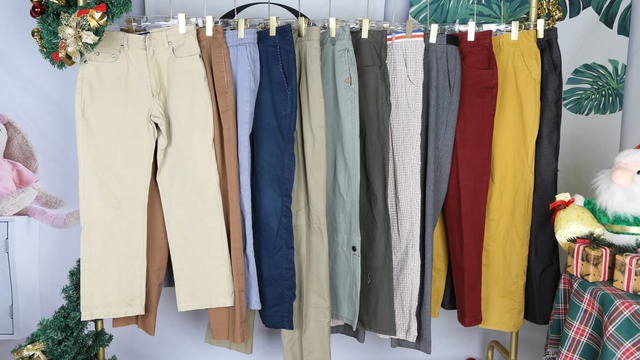
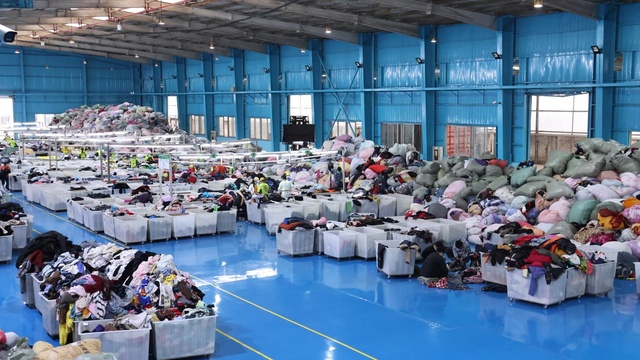
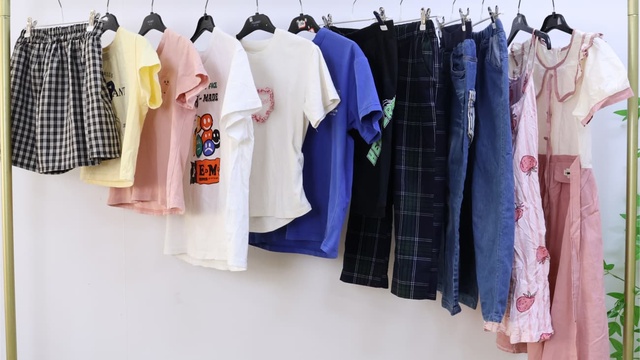
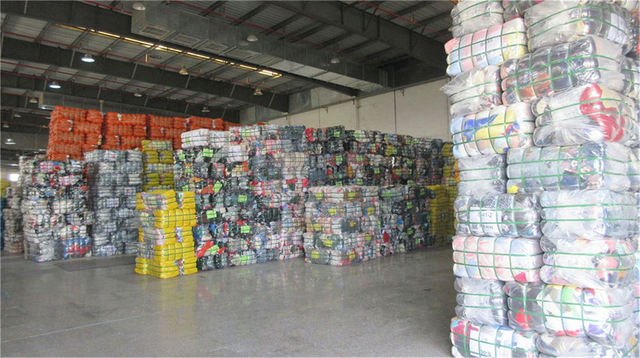
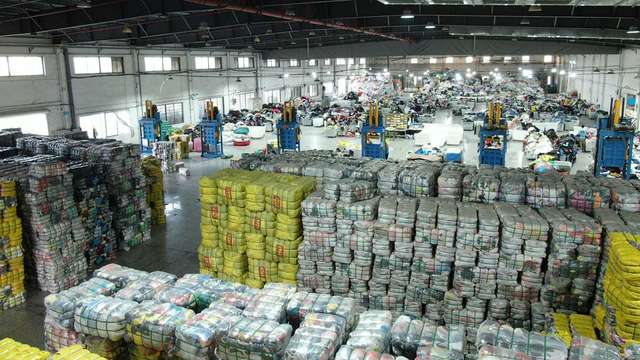
A transparent view of our 15,000 square meter facility, showcasing sewing machinery, fabric storage, and strict quality control stations.
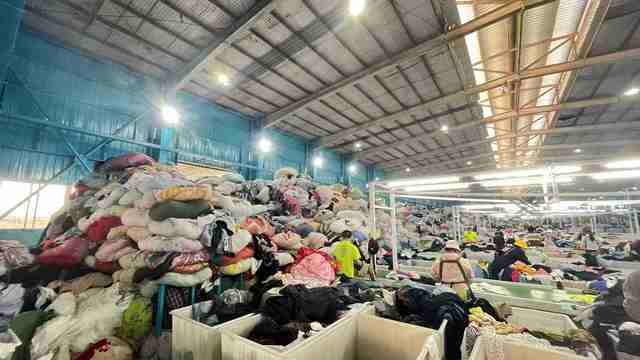
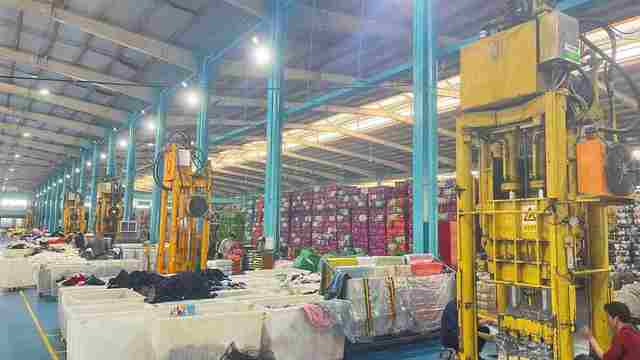
Ensuring compliance with international import/export regulations, structural testing, and ethical labor standards.
For mid-to-enterprise level streetwear brands, compliance is key. International markets enforce strict guidelines regarding toxic chemicals, worker safety, and raw fiber validation. Partnering with Guangzhou Setor Fashion Co., Ltd. ensures all materials meet international safety and ethical benchmarks.
All source raw fibers (organic cotton, recycled synthetic blends) are accompanied by valid material safety data sheets and origin certifications, facilitating customs clearance.
Dyes, hardware coatings, and screen-printing inks are checked for restricted substances to comply with Europe's REACH standards and North America's CPSIA regulations.
Our quality control program consists of: 1) Initial raw material checking; 2) In-line sewing verification; and 3) Final pressing, measurements, and functional testing.
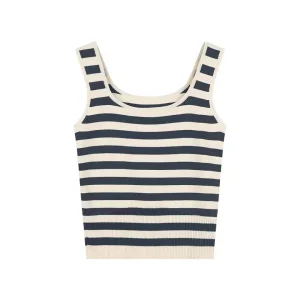
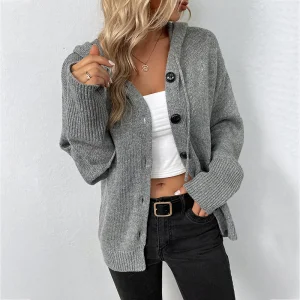
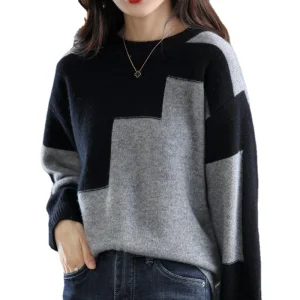
A versatile selection of premium knitwear, casual sports sets, coordinates, and specialized collections designed for global retailers.
Expert insights on custom tech specs, minimum orders, fabric selection, and international logistics strategies.
Our standard MOQ for custom (OEM/ODM) designs depends on the fabric and pattern complexity. Typically, it starts at 100 to 300 pieces per style/colorway. This flexibility allows emerging brands to launch collections without substantial upfront capital while enabling established retailers to scale up production.
We work with distinct grading tables customized for regional markets, including the US, EU, and APAC. Clients can supply their own specification sheets or rely on our CAD technicians to generate proportional sizing curves that optimize fits for localized consumer expectations.
Yes. We source certified organic cotton, recycled polyester (GRS), bamboo fibers, and OEKO-TEX certified knits. Our supply network in the Guangzhou region ensures these fabrics are traceable and meet international eco-label standards.
Sample development is typically completed within 7 to 10 working days, depending on fabric availability and complexity. Once the sample is approved, bulk production generally takes 25 to 35 days, depending on the order volume and our seasonal factory queue.
We provide full logistics support, working with global freight forwarders to offer EXW, FOB, CIF, or DDP terms. All custom export filings, harmonized tariff codes (HS Codes), and fabric composition certificates are generated to simplify import processing.
 Setor Fashion