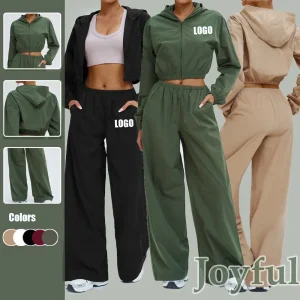
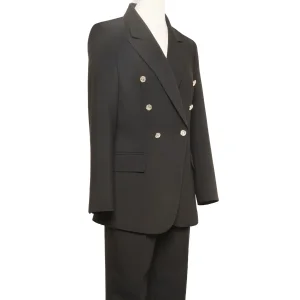
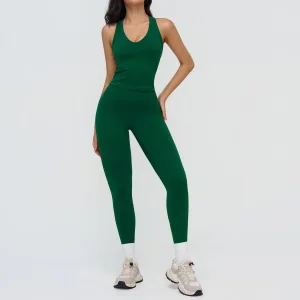
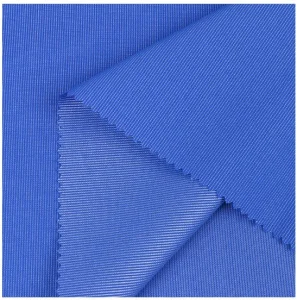
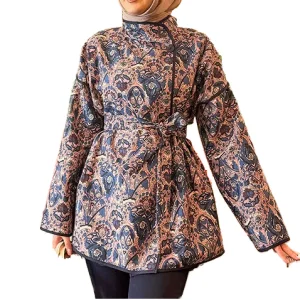
Explore our premium selection of professional, loungewear, and active dress collections currently optimized for international export distribution.
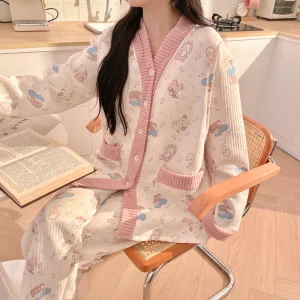
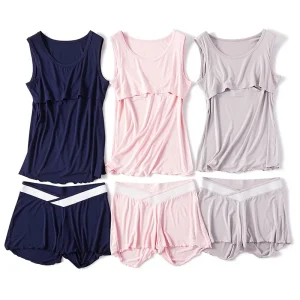
The global landscape for corporate and professional women's wear is undergoing structural transitions. Driven by evolving office cultures, hybrid work frameworks, and a heightened emphasis on comfort without sacrificing visual professionalism, B2B buyers must navigate complex market shifts. Contemporary executives demand garments that seamlessly pivot from Boardroom strategy sessions to virtual conferences and client networking dinners.
Consequently, modern design frameworks prioritize functional textiles—such as wrinkle-resistant stretch blends, performance knit synthetics, and breathable, sustainably sourced natural fibers like Tencel, organic cotton, and recycled wool. Smart silhouettes are replacing hyper-restrictive traditional patterns. Sourcing directors are looking for factories that not only execute precise pattern drafting but also integrate modern fabric technologies to construct highly resilient collections.
Designing garments that balance casual flexibility with sharp, structured corporate wear, necessitating advanced draping techniques.
Integrating smart weaves with quick-dry, anti-odor, high elastic recovery, and thermodynamic insulation properties.
International brands require strategic compliance, dynamic operational agility, and absolute supply chain transparency to mitigate retail risk.
Mandatory adherence to international standards including BSCI, SEDEX/SMETA, WRAP, and ISO 9001 quality audits. Modern brands require safe worker conditions, ethical wage standards, and structured toxicological limits on fabric dyes (OEKO-TEX Standard 100).
Dynamic production scheduling to handle low MOQ (Minimum Order Quantity) test runs while preserving the capability to scale to large-volume bulk production. Buyers seek vertically integrated mills with digital automated fabric inspection.
Consistency in sizing metrics across diverse geographical populations. Utilizing digital CAD/CAM files, 3D body mapping, and virtual fitting rooms guarantees sample speed-to-market and minimizes costly physical prototype loops.
| Evaluation Metric | Industry Standard Threshold | High-Performing Tier-1 Factory standard |
|---|---|---|
| Prototype Lead-Time | 10 - 15 business days | 3 - 5 business days (utilizing 3D CAD modeling) |
| Bulk Production Defect Rate | AQL 2.5 (Acceptance Quality Limit) | AQL 1.0 or lower (Six Sigma Quality Controls) |
| Sustainable Fiber Composition | Minimum 20% recycled/certified fibers | GRS (Global Recycled Standard) / Organic GOTS certified |
| Annual Production Capacity | Over 500,000 apparel units | Over 2,000,000 units with specialized automated lines |
Leading the benchmark for Chinese textile design, manufacturing flexibility, and global export distribution.
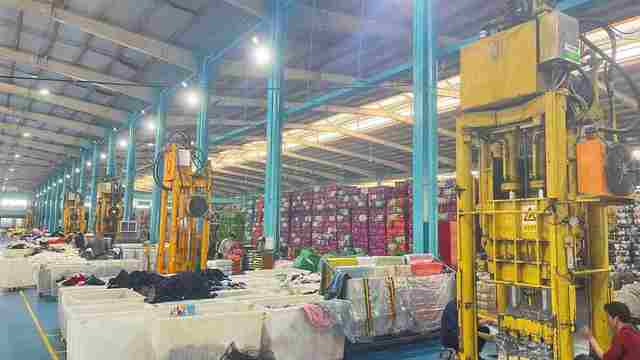
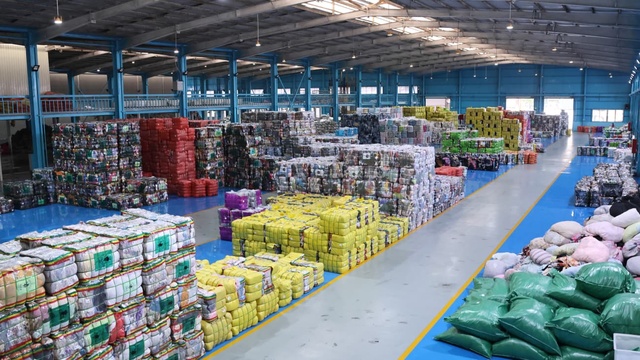
With a modern facility stretching across 15,000 square meters, the company implements strict lean manufacturing principles. Every step—from raw material inspection, computerized CAD pattern design, digital sample rendering, and automated fabric laying to fabric laser-cutting, high-precision assembly, final steam pressing, and rigorous AQL inspection—is closely monitored. By combining a highly skilled workforce with robust automated machinery, Setor Fashion supports global buyers in creating highly competitive, retail-ready collections.
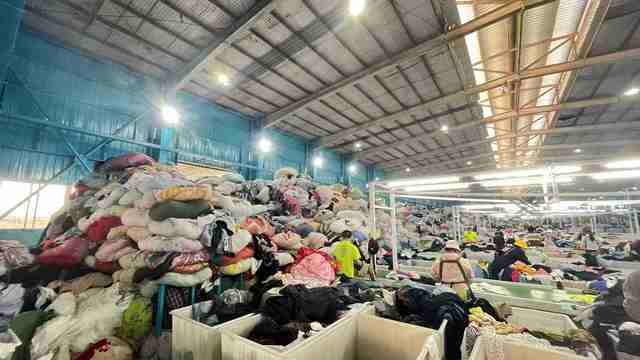
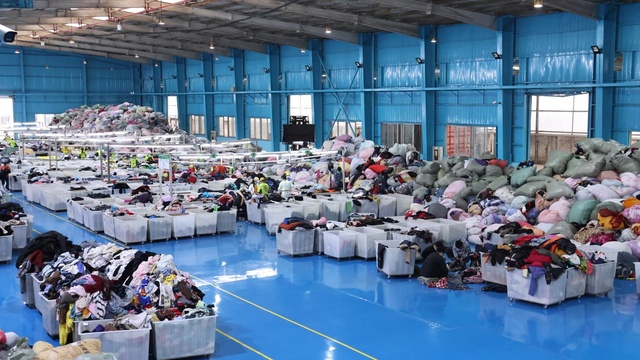
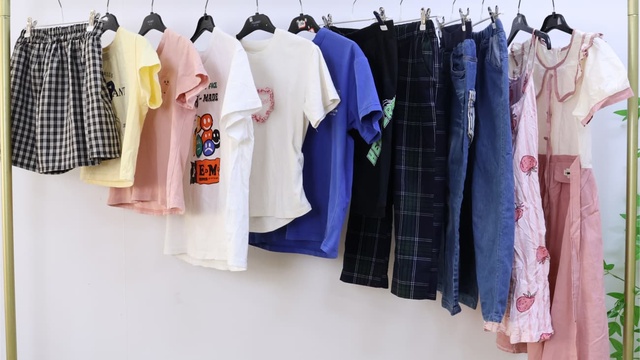
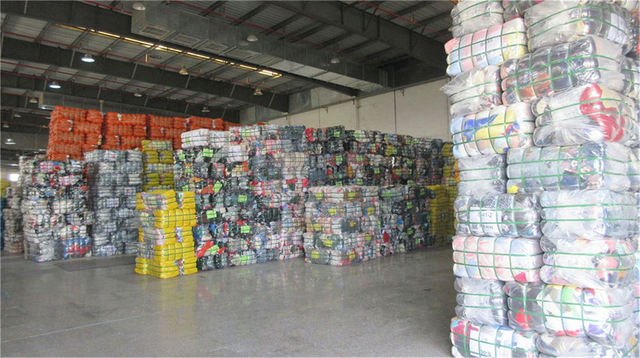
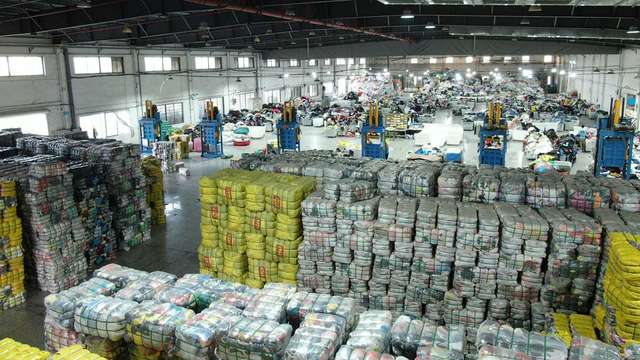
The concept of "China Factory 4.0" is not merely about robotic arms; it represents the deep integration of digital design systems, agile micro-production cells, and proximity-based fabric sourcing networks. Guangzhou's textile districts are situated at the absolute nexus of this ecosystem. This proximity allows factories to source, dye, print, and process advanced fabrics within hours, rather than weeks.
Furthermore, digitalized inventory management systems enable automated material tracking, which actively reduces waist production and streamlines resource allocation. When global market volatility demands sudden changes in style volumes or fabric compositions, these systems allow factories to pivot lines almost instantly, maintaining a competitive edge that is difficult for other regional manufacturing hubs to match.
Apparel needs to be meticulously tailored to align with geographical consumer expectations, climate variations, and cultural nuances.
Focuses on breathable, low-maintenance wash-and-wear structures. Sizing relies on comfort fits, and products are designed for seamless integration between remote setups and hybrid physical office spaces.
Highly sensitive to ecological certificates (OEKO-TEX, GRS) and structured, close-body tailoring patterns. Brands emphasize sustainable fiber origins and high design elegance over mass output.
Demands elegant design solutions featuring breathable luxury fabrics. Fits trend towards conservative, draped silhouettes, requiring deep understanding of modest fashion aesthetics and temperature insulation.
Browse our extended product lines, including specialized business fabrics, plus-size designs, and regional fashion collections.
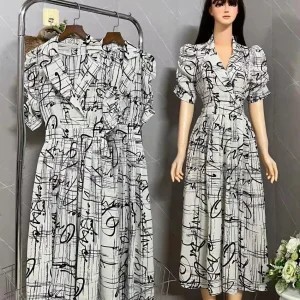
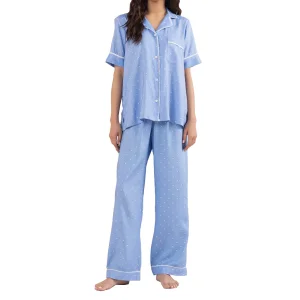
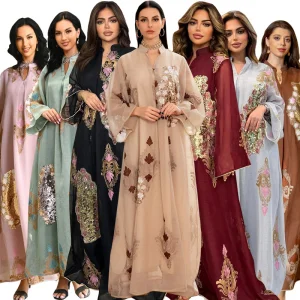
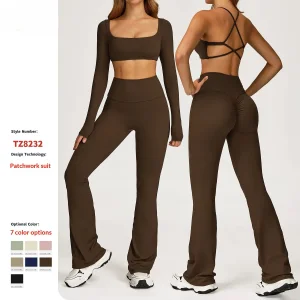
Clear, expertise-driven answers to critical questions commonly raised by procurement managers and purchasing agents.
Usually, standard sample creation takes 7 to 10 days using techpacks. Advanced manufacturers like Guangzhou Setor Fashion Co., Ltd. can cut this down to 3 to 5 days by using 3D CAD modeling. This approach lets brands confirm initial patterns virtually before they ever cut the physical fabric.
Tier-1 manufacturing operations use ISO 9001 frameworks and routinely participate in social audits like BSCI and SEDEX/SMETA. When it comes to quality, they employ AQL 1.5 or AQL 2.5 checkpoints at key stages: raw yarn/fabric testing, in-line stitching reviews, and final pre-packaging inspections.
Yes, this flexibility is a hallmark of modern agile production. By grouping small test runs into specialized cell layouts and using automated cutting machines, factories can run low-MOQ test orders (e.g., 100–300 pieces per style) without compromising on pricing or overall speed.
Being located in a massive textile cluster like Guangzhou means factories can source fabrics, threads, customized hardware, and packaging within hours. This concentration keeps shipping fees minimal, cuts down on lead times, and allows manufacturers to offer more competitive FOB rates.
 Setor Fashion