
Analyzing the macro-economic forces, B2B procurement pain points, and target market requirements in high-volume custom apparel projects.
In the contemporary global fashion ecosystem, the Women's Graphic Tee has transitioned from a casual wardrobe staple to a primary vehicle for brand messaging, cultural alignment, and corporate identity. For retail brands, fast-fashion conglomerates, digital-native e-commerce platforms, and licensing firms, securing a reliable custom OEM (Original Equipment Manufacturer) partner is critical to navigating consumer demand, raw material price fluctuations, and fast-paced micro-trends.
Procurement departments face a complex matrix of choices regarding fiber composition, printing resilience, lead times, and ethical compliance. The core challenges lie in balancing high graphic fidelity with long-term wearability, while satisfying structural supply chain targets like low minimum order quantities (MOQs) for test lines and rapid scaling for viral products.
"Apparel brands do not just buy printed cotton shirts; they purchase supply-chain responsiveness, structural agility, and localized market compatibility that minimize inventory overhead."
Modern consumers demand premium hand-feel, eco-friendly fabric configurations, and flawless graphic durability that survives repeat commercial laundering. Guangzhou Setor Fashion Co., Ltd. resolves these bottlenecks through engineered production pipelines designed for international brands seeking reliable, scalable, and high-quality OEM/ODM garment engineering.
How Setor Fashion bridges the gap between design conceptualization and industrial-scale garment output.
The engineering behind comfortable, long-lasting graphic prints and premium, shrink-resistant apparel structures.
A t-shirt's performance rests on the interaction between fiber composition and ink integration. Standard carded open-end cotton is highly susceptible to pilling, skewing, and excessive shrinkage after repeated washing. To address these vulnerabilities, Setor Fashion utilizes ring-spun combed cotton. Combed cotton runs through a secondary carding process that removes short fibers, leaving long, aligned fibers that yield a smooth face, reducing the risk of fabric distortion and ensuring a superior flat surface for printing.
Our research and development division operates under strict quality benchmarks to ensure that graphics retain original colors, lines, and textures through a minimum of 50 domestic laundry cycles. Below is our engineering roadmap for custom OEM fabrications:
| Fabric Composition | Recommended Weight | Primary Print Technology | Target Market Profile |
|---|---|---|---|
| 100% Combed Ringspun Cotton | 180 - 210 GSM | Soft-hand Water-based screen printing / DTG | Premium Streetwear & Designer Retailers |
| Organic Cotton / Recycled Poly Blend | 160 - 180 GSM | Eco-solvent Screen Print / Sublimation | Sustainable Activewear & Eco-friendly Brands |
| Viscose / Cotton Blend | 140 - 160 GSM | Discharge Screen Printing | Soft, Drape-heavy Women's Fashion Tees |
| 100% Heavyweight Cotton Carded | 220 - 260 GSM | 3D High-Density Puff or Plastisol Print | Oversized Vintage Urban Brands |
To prevent the common defect of ink cracking or washing off, we employ multi-layered cure cycles. For plastisol inks, the curing temperature is kept at 160°C to ensure complete polymer cross-linking without scorching the fabric. For water-based systems, we combine high-pigment binders with cross-linkers that lock dye particles directly into the cellulose structure of the cotton fibers. The result is a soft-hand feel that breathes easily while remaining durable.
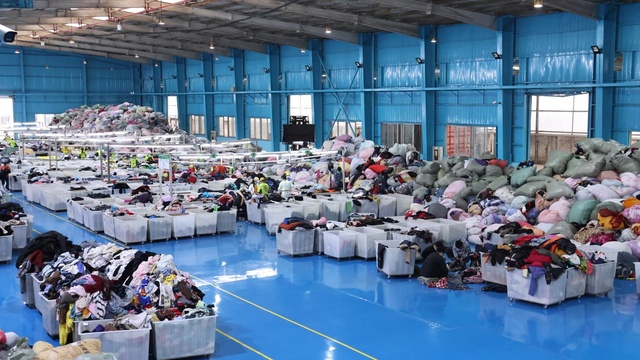
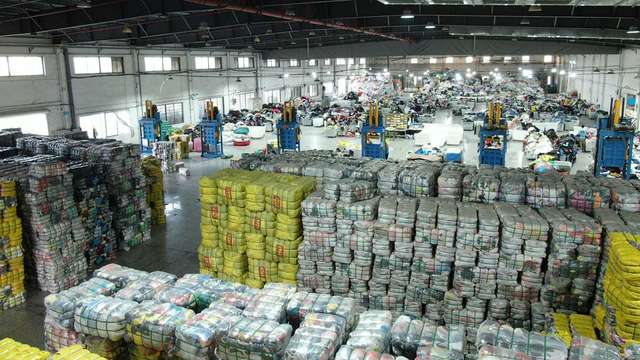
Guangzhou Setor Fashion Co., Ltd. runs a modern 15,000+ square meter manufacturing facility optimized for end-to-end garment production.
Established in 2013, our production facility combines traditional sewing craftsmanship with automated garment assembly lines. Over 250 skilled employees manage automated cutting machinery, precise printing platforms, and high-speed sewing stations, maintaining output consistency and reducing fabric waste.
From custom pattern development to private labeling, textile sourcing, fabric pre-shrinking, high-volume screen printing, and final steam pressing, every step is controlled under one roof. Our location in Guangzhou gives us immediate access to raw materials and logistics hubs, allowing us to export to North America, Europe, the Middle East, and Australia efficiently.
Ensuring your imported custom graphic t-shirts meet local legal, safety, and chemical criteria.
Navigating cross-border customs regulations requires more than fast shipping; it demands strict compliance with international textile standards. Setor Fashion manufactures under clean, compliant parameters, ensuring our materials, dyes, and finishes satisfy strict chemical tests.
We work within the guidelines of global standard certifications to facilitate smooth customs clearance and retail placement for your products:
Crucial sourcing parameters, minimum order quantities, and tech requirements answered by our manufacturing team.
 Setor Fashion