Explore our latest precision-manufactured designs utilizing automated cutting systems, premium eco-textiles, and rigorous quality control methodologies.
In the contemporary fashion paradigm, Statement Tops have transitioned from seasonal novelties to fundamental wardrobe cornerstones. Driven by the expansion of digital commerce, the democratization of high-fashion design languages, and the visual demands of hybrid workplaces, the global requirement for agile, premium-quality apparel production has reached unprecedented levels.
For global retail conglomerates, premium designer private labels, and high-growth DTC brands, sourcing statement tops from highly optimized manufacturing clusters in China is not merely a cost-reduction strategy. It represents a vital move toward technological integration, sophisticated material sourcing, and rapid-response logistics. This whitepaper analyzes the industrial landscape, technical innovations, and structural approaches that position China's elite garment manufacturers at the head of the global textile supply chain.
The market segment for women's statement tops—defined by bold silhouettes, complex embellishments, unique textiles, and highly tailored profiles—has grown substantially within the global B2B apparel sector. Historically, wardrobe investment focused heavily on structured jackets and bottom wear. However, consumer behavioral shifts over the last five years have elevated tops to the primary vehicle for individual expression.
According to recent global apparel census data, the market size for women's blouses and knit tops surpassed USD 110 Billion in 2023, with statement and highly stylized pieces showing the fastest compound annual growth rate (CAGR) at 6.4%. This shift is heavily supported by the "above-the-keyboard" styling trend resulting from hybrid working models, along with visual platforms like TikTok and Instagram where detailed cuffs, statement collars, and intricate textures translate effectively to digital screens.
| Global Market Segments | Estimated Share (2024) | Projected CAGR (2024-2030) | Dominant Materials Preferred |
|---|---|---|---|
| North America (DTC & High Street) | 34% | 5.8% | Organic Cotton, Recycled Polyester, Linen Blends |
| European Union (Premium & Luxury Private Label) | 28% | 6.1% | Tencel, Silk, Custom Jacquard, Eco-Vero Viscose |
| Asia-Pacific (E-Commerce & Fast Retail) | 22% | 7.8% | Polyester Mesh, Ribbed Knits, Nylon-Spandex Blends |
| Middle East (Modest & Evening Wear) | 16% | 7.2% | Embellished Chiffon, Satin, Heavily Embroidered Brocades |
China remains the primary supplier in this sector, accounting for over 45% of global output for high-end statement tops. The Pearl River Delta, specifically the Guangzhou fashion cluster, provides an ideal mix of raw material availability, specialized pattern-makers, advanced machinery, and efficient logistics. This enables the execution of complex designs at scale, offering a level of production flexibility that newer manufacturing hubs in South Asia cannot easily match.
Global brands are prioritizing eco-certified materials like LENZING™ EcoVero™ viscose, organic cotton (GOTS certified), and recycled ocean polyesters. Manufacturers must maintain transparent chain-of-custody documentation to comply with international ESG standards.
3D CAD engines (like Browzwear and CLO 3D) are replacing physical sample iterations. This reduces sample waste, cuts lead times by up to 14 days, and ensures precise sizing adjustments before cutting fabric.
Moving away from large inventory commits, modern brands utilize "Test and Repeat" models. Factories must adapt to handle initial runs of 100–300 pieces, with the ability to scale to thousands within 10 days if a style performs well online.
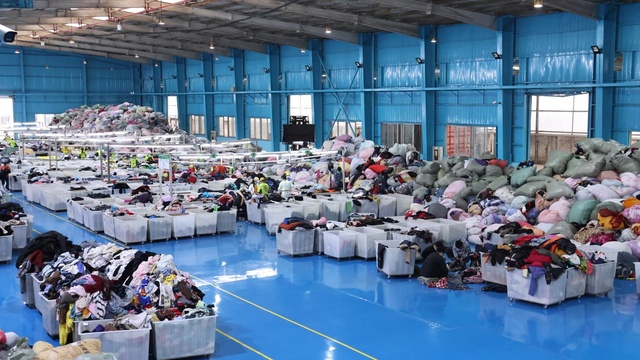
Guangzhou Setor Fashion Co., Ltd., established in 2013, serves as an example of modern manufacturing capability within China's premium apparel sector. Strategically located in Guangzhou, Guangdong, the company operates a modern facility spanning over 15,000 square meters. The plant is equipped with automated fabric spreading machines, computerized precision cutting setups, and specialized lines for delicate fabrics, structured blazers, and knitwear.
With a dedicated team of over 250 skilled specialists, Setor Fashion manages a diverse product portfolio. This includes women's casual wear, dresses, cardigans, outerwear, and high-complexity business attire. The enterprise operates as a full-service partner, offering comprehensive OEM (Original Equipment Manufacturer) and ODM (Original Design Manufacturer) solutions for global retail brands, boutique e-commerce labels, and wholesale networks across North America, Europe, the Middle East, and Australia.
By combining design exploration with disciplined quality management systems, the company ensures that bulk production matches approved design mockups. Their structured approach spans fabric sourcing, pattern formulation, initial prototyping, bulk assembly, and automated final packaging.
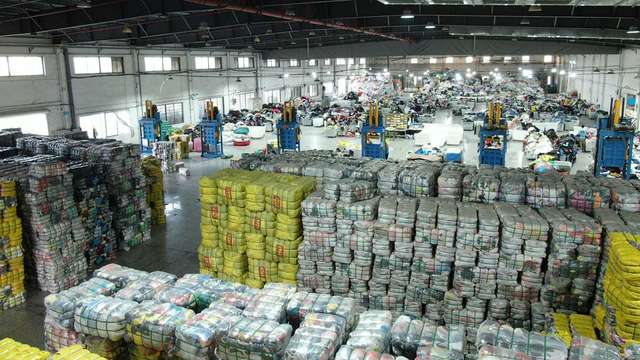
Executing complex statement tops requires a clear manufacturing sequence. The diagram below outlines the systemized phases a garment passes through at our partner facility, from design concept to final delivery:
As an OEM/ODM provider, Setor Fashion customizes its manufacturing setups to align with the distinct operational requirements of different buyer profiles:
Managing global apparel distribution involves addressing challenges such as raw material price fluctuations, shipping delays, and customs regulations. Setor Fashion offers integrated solutions to streamline these logistics:
Standard prototyping takes 5 to 7 working days once digital tech packs are approved. Bulk production typically requires 15 to 25 days depending on the design complexity and fabric availability. For urgent styles, we offer expedited production lanes to accelerate delivery times.
We operate an inline QC inspection system. Fabric inspection is carried out using four-point testing systems prior to cutting. During production, inline checks are performed at every station (sewing, collar assembly, cuffs), followed by a final manual inspection and needle detection sweep prior to retail packaging.
Yes, we offer custom fabric options. Clients can choose from a library of organic cotton, linen, silk, recycled polyester, and modal. We source materials from certified mills that provide GOTS, GRS, or Oeko-Tex certifications, allowing brands to verify their eco-friendly claims.
We work with standard US, EU, UK, and AU sizing charts, as well as customized sizing systems for plus-size brands. Our CAD pattern designers adjust designs across sizes to maintain the intended silhouette across the entire size range.
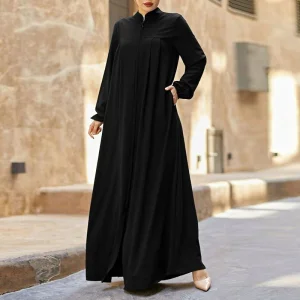
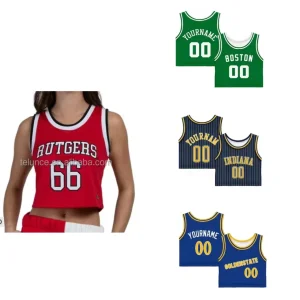
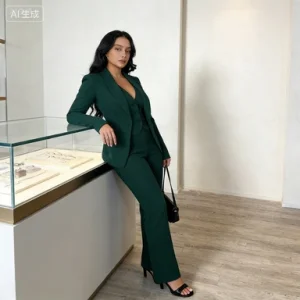
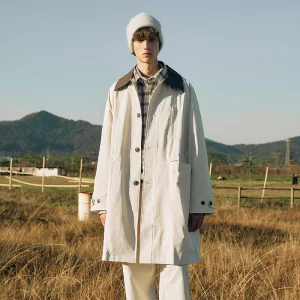
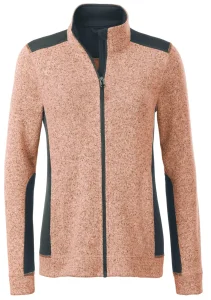
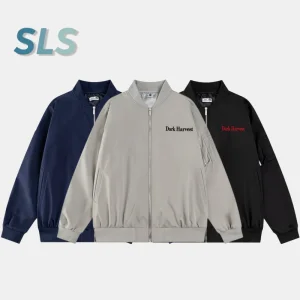
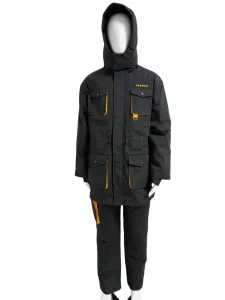
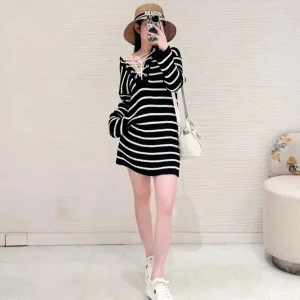
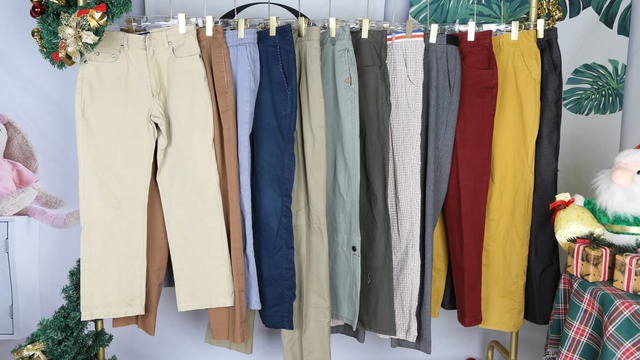
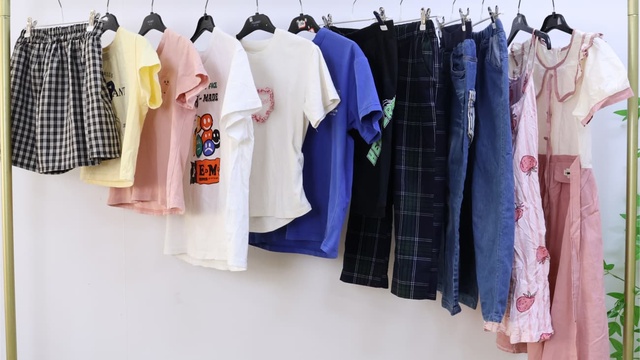
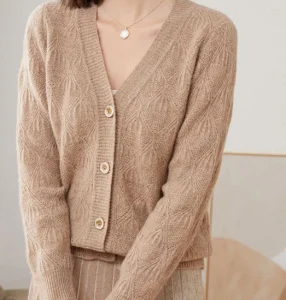
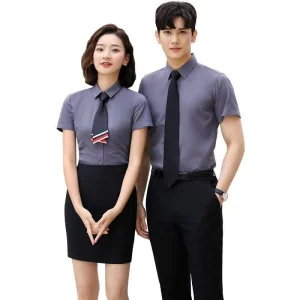
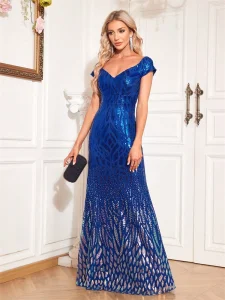
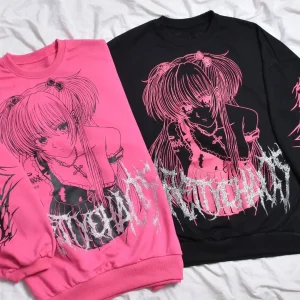
A selection of our specialized production runs, including business outerwear, fine knits, casual wear, and custom workwear lines.
 Setor Fashion