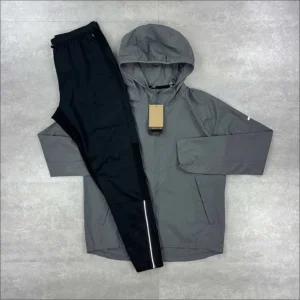
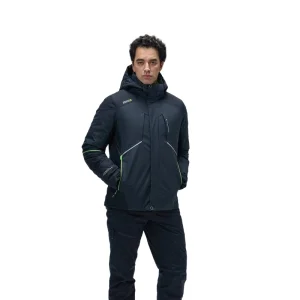
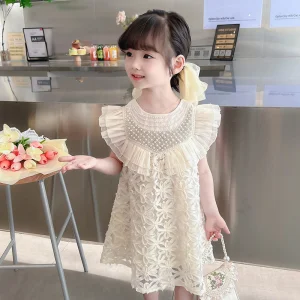
Explore our premium design portfolios featuring advanced materials, functional apparel, and global sourcing essentials.
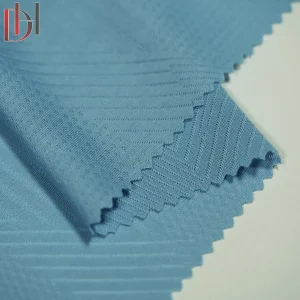
Understanding vertical supply integration, advanced material chemistry, and shifting consumer demographics.
In the contemporary landscape of global fashion, sourcing women's handbags and integrated apparel systems demands a combination of manufacturing agility, material science, and design intelligence. China has transitioned from a high-volume assembly hub to the epicenter of design engineering and smart supply chains. Guangzhou, located in the heart of Guangdong Province, represents the pinnacle of this shift. Facilitated by deep-tier raw material ecosystems, specialized hardware plating facilities, and high-fidelity logistics networks, manufacturers in this region deliver unprecedented flexibility for global retailers, independent designers, and large-scale enterprises.
For modern purchasing managers, procurement directors, and fashion house executives, evaluating manufacturing partners extends beyond per-unit costs. It involves identifying companies with robust quality management systems (QMS), sophisticated CAD-driven product development, and transparent environmental stewardship. By integrating raw material sourcing, sample iteration, and streamlined shipping mechanics under unified quality controls, leading exporters are successfully matching the fast-paced timelines of digital retail and traditional brick-and-mortar operations.
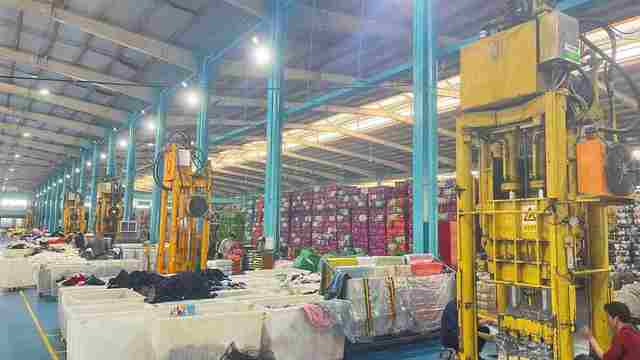
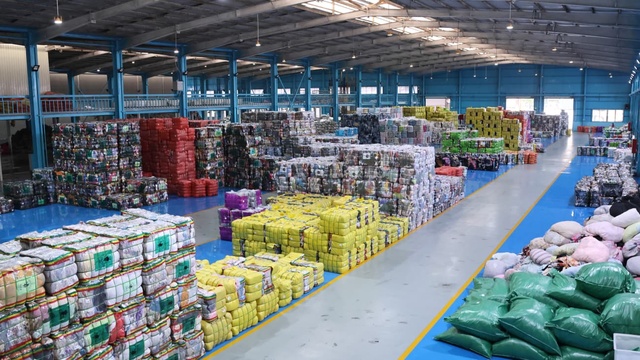
A closer look at Guangzhou Setor Fashion Co., Ltd.'s modern manufacturing infrastructure.
Guangzhou Setor Fashion Co., Ltd. is an established women's apparel and lifestyle accessory manufacturer based in Guangzhou, Guangdong, China. Founded in 2013, the company has spent over a decade building a reputation for engineering high-quality collections for international markets. Operating from a state-of-the-art facility spanning more than 15,000 square meters, Setor Fashion utilizes advanced technical platforms, modern sewing configurations, and computerized fabric cutters to manufacture complex silhouettes and structures. With a dedicated workforce of over 250 highly skilled workers, Setor Fashion specializes in providing comprehensive end-to-end OEM and ODM solutions.
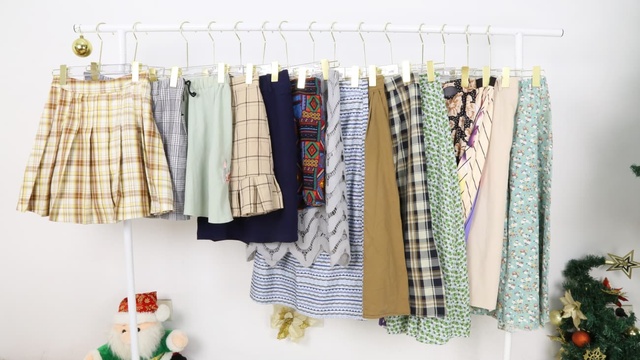
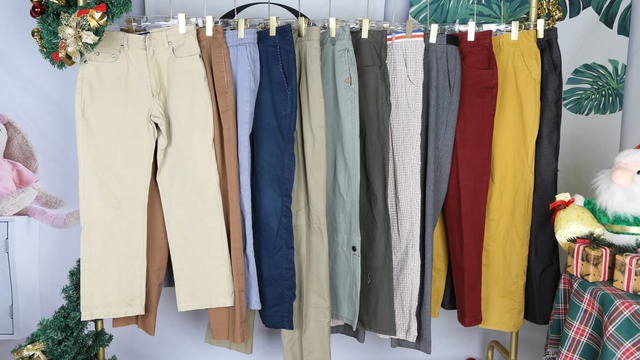
The company’s product expertise covers diverse fashion categories, including women's casual wear, dresses, blouses, skirts, knitwear, outerwear, loungewear, activewear, business attire, and seasonal fashion accessories. By integrating classic design elements with modern technology, Setor Fashion helps clients construct cohesive collections that resonate with changing consumer tastes. Their service scope encompasses precise pattern development, private labeling, fabric sourcing, customized printing, and custom packaging, ensuring all products align with brand standards and local target demographics.
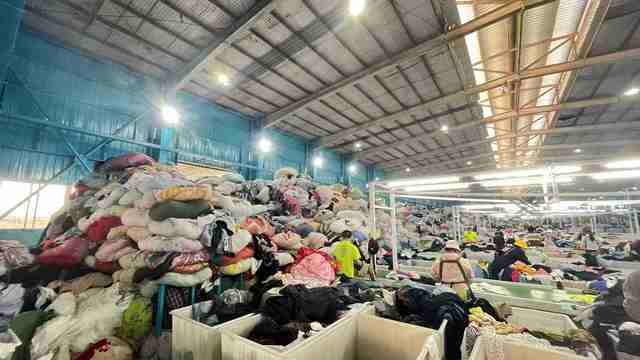
Analyzing raw materials, logistics, and vendor integration models that guarantee execution.
Utilizing high-performance synthetic materials, certified organic cotton, recycled canvas, and luxury-grade microfibers. Every batch of material undergoes rigorous abrasion, colorfastness, and tensile strength testing before entering the assembly floor.
Operating in Guangzhou provides immediate access to hardware markets, thread mills, zipper manufacturers, and raw textile sources. This geographic clustering reduces lead times, cuts inter-facility transport costs, and minimizes the carbon footprint of production.
Employing modern production management software allows real-time tracking of fabrics and components. Enterprise Resource Planning (ERP) tools align raw material inventory with active production pipelines, reducing manufacturing waste and avoiding supply bottlenecks.
Modern luxury and consumer markets require high levels of functional performance. Handbags and apparel must withstand diverse environmental conditions while maintaining aesthetic appeal. The table below highlights the performance metrics of the primary materials used in our OEM/ODM ecosystem.
| Material Category | Primary Chemical Composition / Structure | Tensile / Tear Strength (ISO 13937) | Primary Industry Application Area | Key Compliance Standard |
|---|---|---|---|---|
| Polyester & Nylon Blends | Polyethylene terephthalate / Polyamide fibers | High (700N - 900N) | Durable Outerwear & Soft-structured Handbags | OEKO-TEX Standard 100 |
| Water-resistant Canvas | Cotton-polyester weave with polyurethane backing | Medium-High (550N - 750N) | Casual Tote Bags & Utility Packs | REACH Compliant |
| Engineered Microfiber Leather | Polyamide matrix infused with polyurethane | Very High (850N - 1100N) | Premium Women's Handbags & Strap Trim | CA Prop 65 Compliant |
| Recycled PET Fibers | Post-consumer recycled polyethylene (rPET) | Medium (450N - 600N) | Eco-conscious Sportswear & Lining Materials | Global Recycled Standard (GRS) |
Exploring the integration of AI-driven design, smart factories, and bio-based circular design.
The convergence of advanced computing and industrial manufacturing is reshaping the future of fashion. Over the next five years, the global sourcing market will shift toward demand-driven production, reducing overproduction and resource consumption. This transition is supported by a clear technological roadmap:
Moving from 2D flat patterns to 3D CAD modeling allows virtual draping, stress testing of bag seams, and accurate colorway exploration. This reduces the sample iteration cycle from weeks to hours, minimizing fabric waste during development.
Integrating customer preference data, search query metrics, and social sentiment signals into production schedules. This data-driven approach allows brands to adjust batch manufacturing quantities based on real-time consumer demand.
Investing in bio-derived polyurethane, mushroom leather, and ocean-bound plastic fibers. The goal is to establish completely recyclable supply chains where end-of-life products can be disassembled and remanufactured.
This roadmap allows companies like Guangzhou Setor Fashion Co., Ltd. to support clients with precise product data, accurate material documentation, and clear forecasting metrics. This transparency helps brands plan future collections while meeting evolving regulatory standards across North America and Europe.
Ensuring compliance with international import/export frameworks and ethical manufacturing protocols.
Exporting textiles, handbags, and apparel requires strict adherence to international safety, ecological, and labor standards. Navigating these requirements demands experienced compliance teams and regular external audits.
By prioritizing chemical safety, fair labor practices, and certified recycled materials, manufacturers ensure global compliance, helping brands build trust and mitigate regulatory risks in competitive international markets.
How professional manufacturing matches regional lifestyle trends and functional requirements.
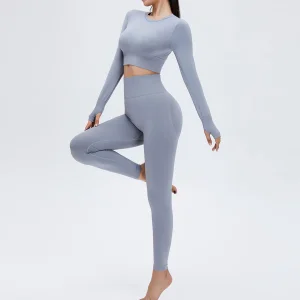
Professional & Active Lifestyle: Sourcing focus is on high-capacity commuter backpacks, water-resistant crossbody bags, and durable athleisure. Products feature hidden pockets, laptop sleeves, and durable hardware suitable for urban transit.
Eco-Conscious & Minimalist: Sourcing emphasizes recycled polyesters, GOTS-certified organic canvas, and natural fiber blends. Clean, functional lines and modular designs are popular with urban consumers looking for multi-functional products.
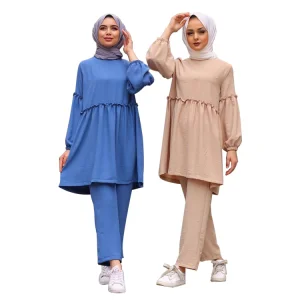
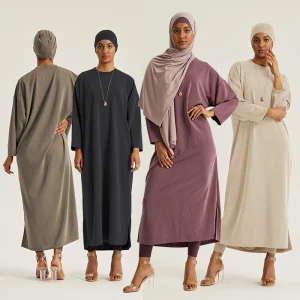
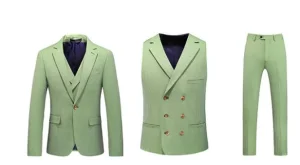
High Fashion & Modest Design: The demand is for structured statement bags, metallic accents, and premium fabrics. We manufacture tailored two-piece suits and modest casual wear with detailed finishes to suit regional styling preferences.
Essential guidance on ordering parameters, logistics options, and OEM/ODM cooperation protocols.
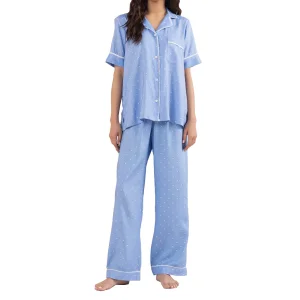
Explore our activewear, sleepwear, and custom fashion lines manufactured to meet strict global specifications.
 Setor Fashion