Discover our signature collection featuring eco-conscious textiles, premium blended sportswear, elegant formal tailoring, and custom private label designs engineered for global compliance.
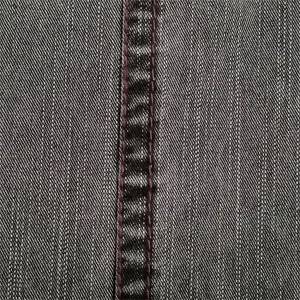
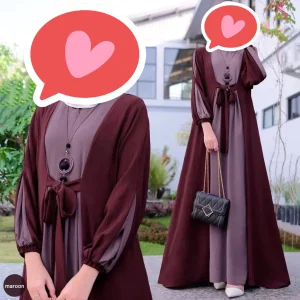
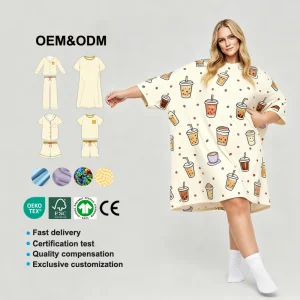
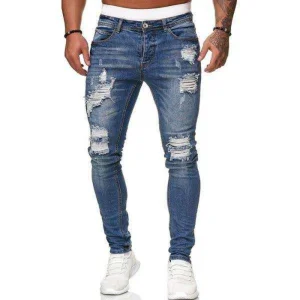
Established in 2013 in the garment capital of Guangzhou, Guangdong, China, Guangzhou Setor Fashion Co., Ltd. has grown to become a cornerstone in the global export of high-grade women's fashion. With a state-of-the-art facility spanning over 15,000 square meters, we integrate every phase of the value chain: from raw polymer and yarn selection, pattern digitization, to high-volume assembly lines guided by strict international metrics.
Employing over 250 highly skilled technicians, pattern masters, and design engineers, our capability addresses the delicate requirements of modern retail. We are not just manufacturers; we are supply chain co-developers who understand that a skirt is not merely a garment, but a complex intersection of draping, dimensional stability, seam elongation, and textile engineering.
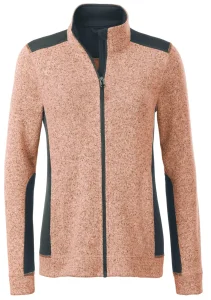
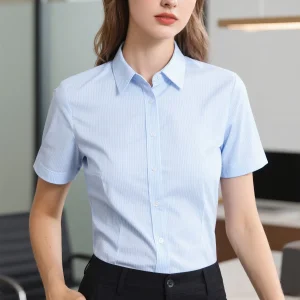
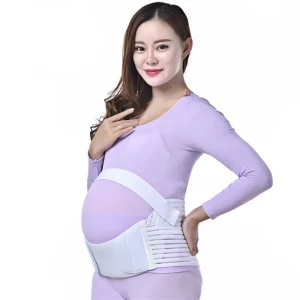
Global brands require structural flexibility. Setor Fashion offers full vertical integration to dynamic retail landscapes. We help international purchasers deploy custom products across categories—ranging from casual day skirts, formal evening wear, and breathable knitwear to maternity support garments and modest active wear.
Our OEM/ODM services are designed to absorb systemic market shifts. By utilizing 3D CAD modeling and automated sample development, we cut prototype lead times down from weeks to days, allowing brands to capture micro-trends without holding excess warehouse stock. Every custom order undergoes physical test modeling for dye migration, fiber friction, and elasticity degradation, ensuring absolute reliability at the consumer touchpoint.
"We connect contemporary aesthetic trends with deep industrial manufacturing capabilities. Our engineering team ensures every line, pattern, and stitch matches the stringent specifications required by international quality agencies."
Modern skirt manufacturing is shifting rapidly from purely decorative apparel creation to advanced materials science. As a leading exporter, Setor Fashion focuses on the integration of smart textiles that offer high breathability, shape memory, and eco-responsiveness. Our engineering roadmap includes the widespread application of Lyocell-denim matrices and vegetable-based Bamboocell® fibers.
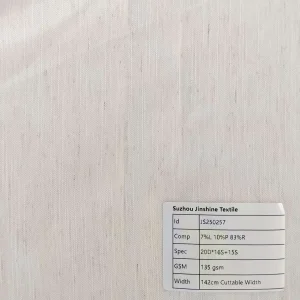
By optimizing the blending ratios of natural cellulose fibers (such as linen and cotton) with technical synthetic polymers, we create skirts that boast superior tensile strength while maintaining drape fluidity. The mechanical properties of fabric drapability are measured using computerized drape coefficient meters, ensuring that a skirt's movement conforms to ergonomic standards. Furthermore, we are developing functional hydrophobic finishes and anti-crease technologies that preserve the premium appearance of skirts through multiple cycles of machine washing.
Setor Fashion is piloting an AI-guided fabric sorting mechanism that calculates real-time tension adjustment on automated sewing heads. This limits fabric puckering—a common failure in lightweight fabrics like silk and lyocell-linen blends. By standardizing this methodology, we ensure that every unit produced displays parallel hemlines, smooth pleats, and robust waistbands that withstand mechanical stress.
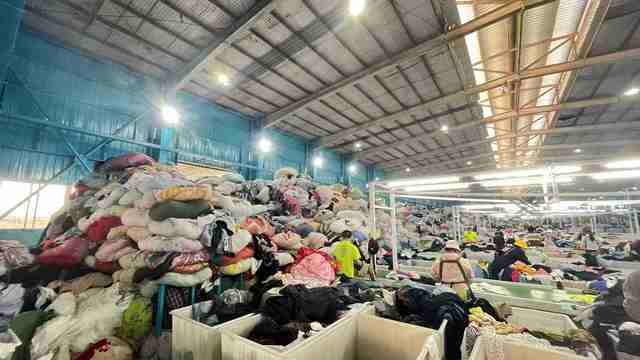
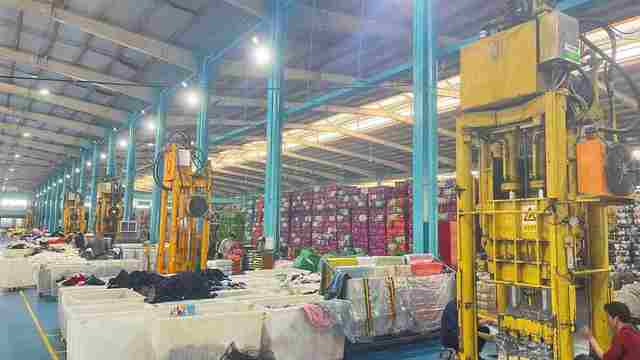
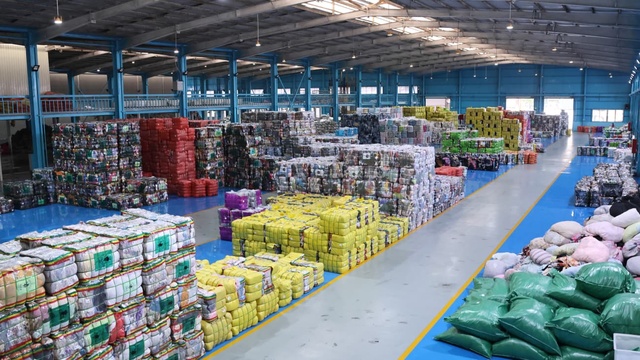
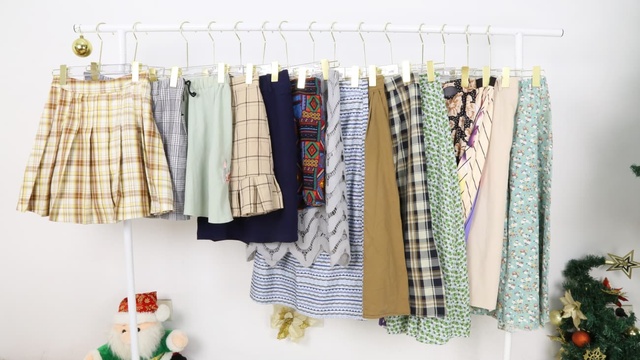
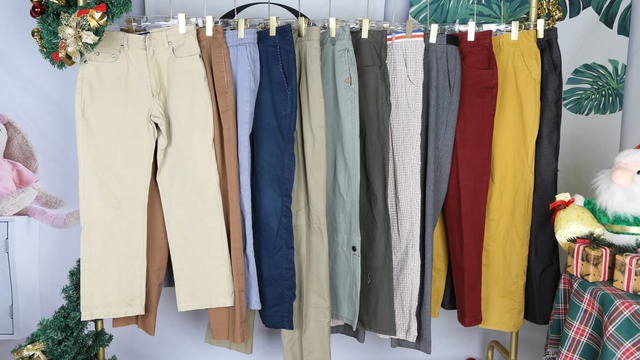
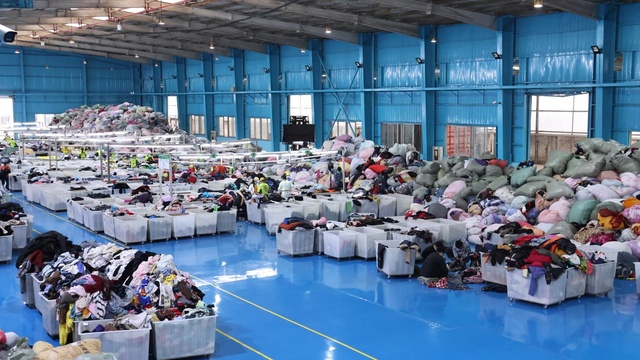
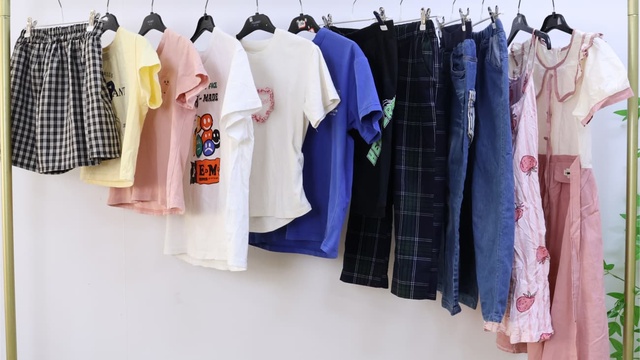
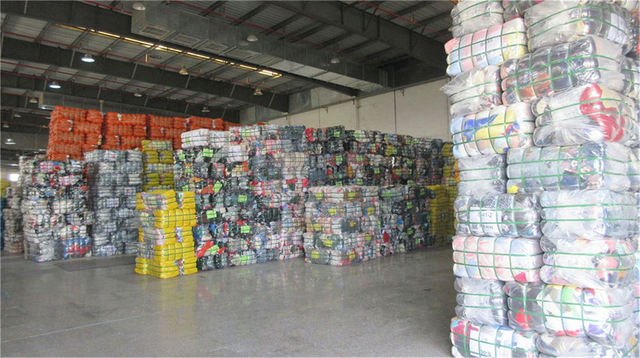
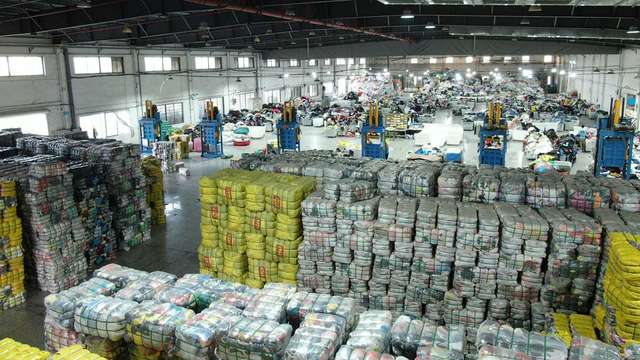
Our manufacturing base in Guangzhou leverages the world's most concentrated textile clustering network. Guangzhou Setor Fashion integrates physical scale with digital oversight. Our 15,000 square meter factory operates under a real-time MES (Manufacturing Execution System), monitoring raw material stock levels, cutting precision, and sewing station efficiency hour-by-hour.
By connecting automated fabric spreaders, CNC pattern cutters, and laser positioning sewing machines, we achieve down-to-the-millimeter execution. This physical-digital synergy ensures that structural styles, from high-waisted pencil skirts to multi-layered ruffled maxi-skirts, are output with near-zero deviations from approved gold-standard samples. In terms of resilience, our proximity to yarn spinning centers and dyeing facilities in Guangdong protects against geographic supply shocks, giving us the unique capability to expedite production cycles when markets demand rapid replenishment.
Global apparel brands operate under high volatility. The traditional model of long lead times and rigid MOQ (Minimum Order Quantity) configurations leads to massive deadstock or lost sales. Setor Fashion mitigates these risks by designing an agile manufacturing pipeline. We structure our procurement paths to divide bulk purchasing into modular phases.
Instead of committing to tens of thousands of finished skirts months in advance, brands can leverage our fabric-postponement strategies. We stock undyed, base greige fabrics in large volumes and apply colorways, prints, and final trim variations closer to the actual market launch. This approach reduces overall lead time from the industry average of 90 days down to less than 21 days for re-runs. By optimizing flow, we help procurement offices achieve higher sell-through rates and reduce heavy discount cycles.
Under modern global standards, true capability is measured by a supplier's elasticity—how effectively we scale production from a 500-unit pilot batch to a 50,000-unit global rollout. Setor Fashion maintains dedicated small-batch sampling lines alongside high-efficiency main assembly tracks. This dual-track structure guarantees that small testing batches receive the same focus and quality assurance metrics as multi-container shipments.
We proactively monitor changes in international trade laws, such as the EU Corporate Sustainability Due Diligence Directive (CSDDD) and US import tariffs. By providing extensive documentation (including fiber source tracing, chemical safety data sheets, and labor auditing reports), we safeguard our clients from border friction and supply chain disruptions.
Entering international retail requires absolute alignment with regulatory standards in North America, Europe, Australia, and the Middle East. Setor Fashion supports global buyers by establishing verified ESG policies. We ensure that all processing chemicals, dye agents, and stabilizers comply with REACH and OEKO-TEX Standard 100 specifications, avoiding harmful aromatic amines or heavy metals.
Furthermore, our factory is managed under ethical standards, ensuring transparent wage systems, safe workplace environments, and verified carbon-reduction programs. For clients in regions with strict green marketing laws, we provide full chain-of-custody certificates for organic textiles (GOTS) and recycled polyester contents (GRS). This documentation helps brands protect their market credibility and avoid regulatory non-compliance fines.
A skirt's durability and comfort depend on specific engineering values. At Setor Fashion, we test every production run to ensure it meets these critical parameters, protecting your brand's reputation and minimizing customer returns.
Setor Fashion operates an internal textile testing laboratory. This dedicated environment ensures that fabric batches are checked for chemical, thermal, and mechanical values before cutting. Our technicians work directly with independent inspectors (SGS, Intertek, Bureau Veritas) to verify that raw fabrics match the contract specifications, ensuring consistent quality across every production run.
Clear answers to help procurement managers and global brands streamline their sourcing and production pipelines.
A: Our standard production MOQ is 100 to 300 pieces per style/colorway, depending on fabric specifications and customization requirements. For strategic partner brands testing new collections, we offer flexible pilot runs. When using in-stock greige fabrics, we can adjust these minimums to support faster, lower-risk product rollouts.
A: We utilize digital spectrophotometers to measure and match color values with precision. Before starting bulk dyeing, we require client approval for lab dips (under D65 and TL84 light sources). This strict matching system ensures that repeat production batches maintain color consistency within a strict Delta E variance of < 1.0.
A: We deliver initial design prototypes within 5 to 7 working days of receiving tech packs. Once pre-production samples are approved, our bulk manufacturing timeline typically ranges from 20 to 30 days, depending on material availability and design complexity. We also offer expedited lanes for urgent seasonal runs.
A: Yes, we prioritize sustainability throughout our operations. We source materials certified by OEKO-TEX Standard 100, the Global Organic Textile Standard (GOTS), and the Global Recycled Standard (GRS). Our facility in Guangzhou is audited regularly to ensure ethical labor practices, safe working environments, and responsible waste management.
A: Yes, we provide full CAD pattern-making and digital 3D prototyping. Our experienced team can develop custom size grading to suit different target markets, including North American, European, Middle Eastern, and Asian sizing standards. This digital verification step helps optimize fit, drape, and grading accuracy before physical cutting begins.
A: We offer comprehensive logistics support, shipping under EXW, FOB, CIF, or DDP terms. Our export department handles all customs paperwork, including bills of lading, certificates of origin, and compliance declarations. We work with leading freight forwarders to ensure smooth transit and clearance at major global ports.
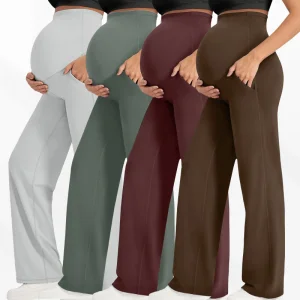
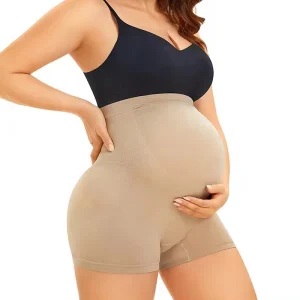
Explore our diverse manufacturing capabilities, including high-elasticity yoga collections, comfortable seamless maternity wear, custom premium swimwear, and professional corporate uniforms.

 Setor Fashion