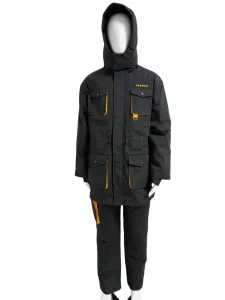
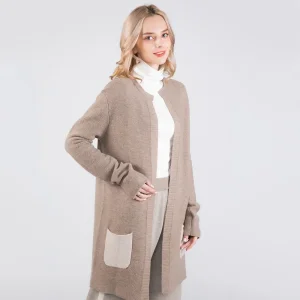
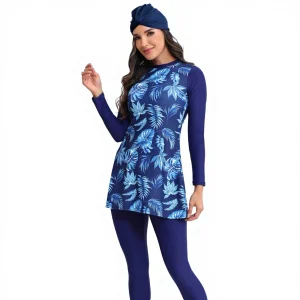
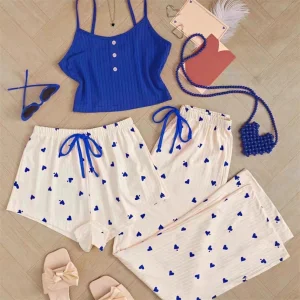
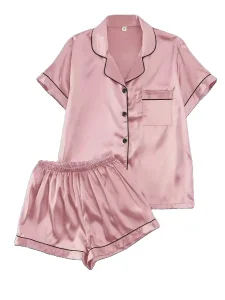
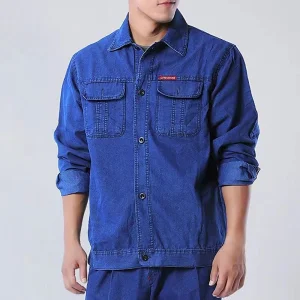
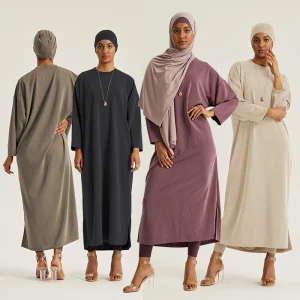
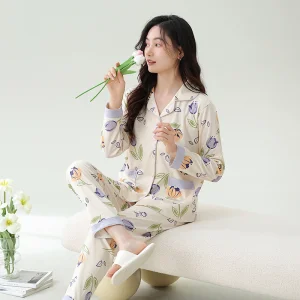
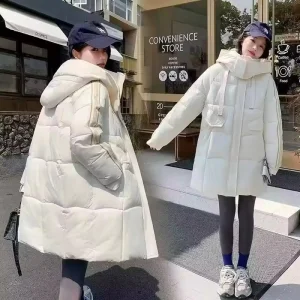
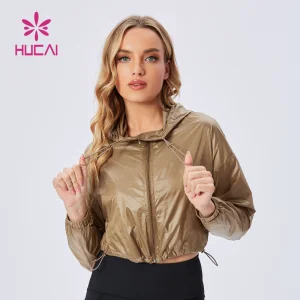
Explore our elite OEM/ODM offerings, featuring versatile knitwear, outerwear, loungewear, and professional uniforms crafted for global markets.
The global demand for high-end, cozy knitwear is experiencing a major structural shift. No longer restricted to simple utility, modern consumer expectations combine premium thermal dynamics, eco-responsible fiber footprints, and visual versatility. For global fashion brands, managing the balance between premium material procurement and cost-effective production is a key driver of profitability.
As a leading region for textile innovation, China's modern manufacturing hubs—particularly in the Pearl River Delta—have transitioned from simple mass assembly to high-precision engineering. By combining computer-aided design, automatic multi-gauge knitting, and advanced fiber blending, top manufacturers provide critical OEM and ODM solutions to global brands. This whitepaper analyzes the industrial landscape of women's cozy sweater supply, highlighting technical standards, material advancements, and production operations.
How China's leading mills utilize advanced fabric chemistry to achieve superior comfort, pilling resistance, and environmental compliance.
By blending organic cotton, sustainably harvested wool, and cashmere with recycled post-consumer polyester, manufacturers create fibers that offer excellent softness and shape retention while significantly reducing carbon emissions.
Modern carding techniques and long-staple fibers prevent surface fuzzing. Advanced spinning machinery increases yarn uniformity, resulting in high pilling resistance rating (ISO 12945-2) without using heavy chemical coatings.
By engineering specific knit structures—such as hollow fiber channels and waffle matrices—our designs optimize heat retention while maintaining high breathability, providing comfortable all-day wear across variable temperatures.
Analysis of production volume, supply chains, and market changes driving knitwear manufacturing in 2025.
The global cozy knitwear market is seeing increased demand from cold-climate countries in North America, Northern Europe, and East Asia. Key B2B buyers now prioritize manufacturers that offer flexible order processing over simple bulk pricing. This change has favored specialized manufacturers in South China, who can quickly source raw materials and adjust production volumes.
As logistics costs fluctuate and consumer trends shift rapidly, the industry is moving away from traditional 180-day production cycles. Leading manufacturers now offer Agile Production Windows of 30 to 45 days. This rapid turnaround is made possible by maintaining raw yarn inventory, utilizing automated CAD systems, and digitizing pattern approval processes. By adopting these methods, partners reduce excess inventory risks while keeping up with changing market demands.
Furthermore, international trade regulations require transparent supply chains. Sourcing certifications, including the Global Recycled Standard (GRS), Responsible Wool Standard (RWS), and OEKO-TEX Standard 100, are now standard requirements for entry into major international retail markets.
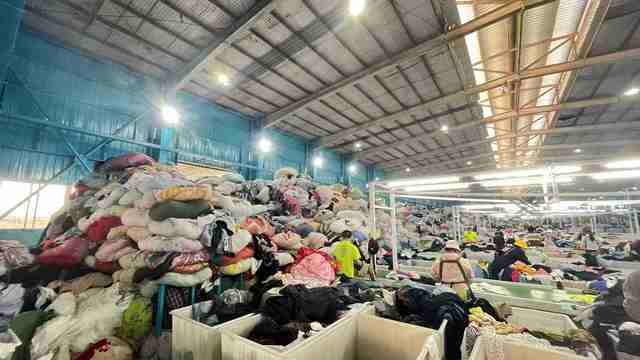
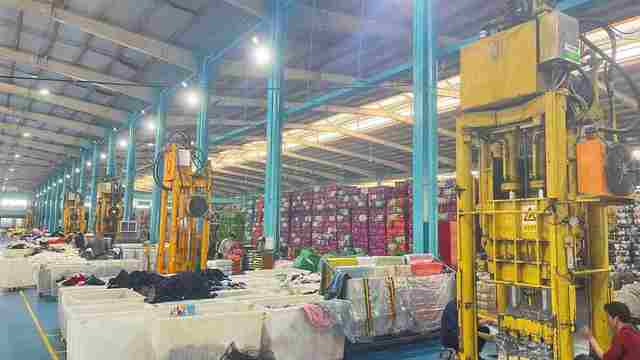
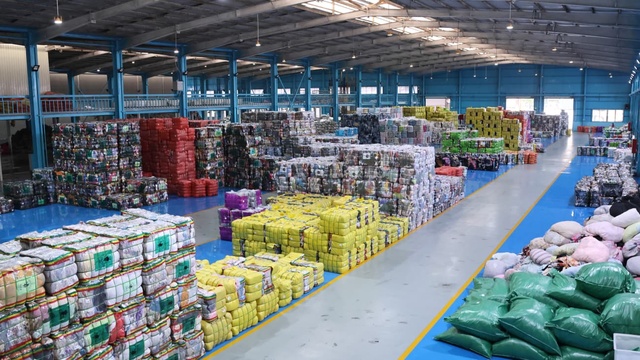
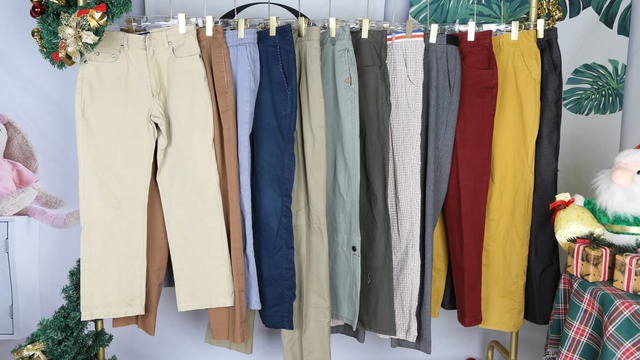
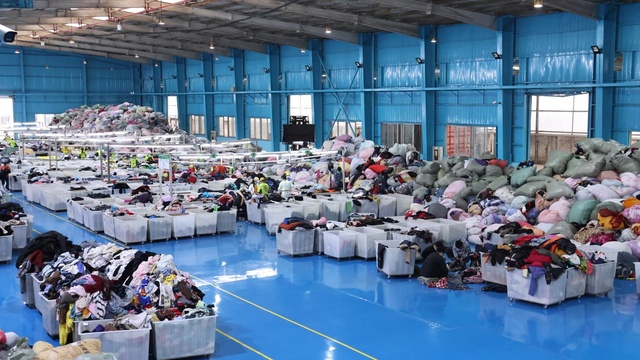
Established in 2013, Guangzhou Setor Fashion Co., Ltd. is a specialized apparel manufacturer based in Guangzhou, Guangdong, China. The company develops and manufactures fashionable women's clothing for global brands, retailers, wholesalers, and e-commerce companies. Operating a modern facility of over 15,000 square meters and employing a workforce of more than 250 skilled staff, Setor Fashion delivers comprehensive, scalable OEM and ODM solutions.
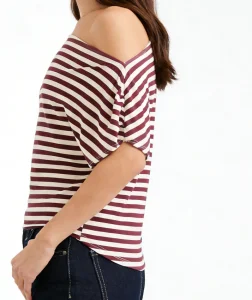
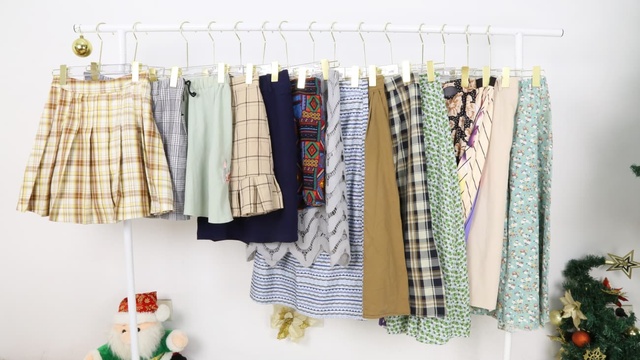
The company's product range includes women's casual wear, dresses, blouses, skirts, knitwear, outerwear, loungewear, activewear, business attire, and seasonal fashion collections. By combining contemporary fashion designs with efficient manufacturing systems, Setor Fashion helps clients build competitive apparel lines that meet the changing preferences of consumers worldwide.
Equipped with advanced production machinery and supported by a skilled technical team, the company maintains strict quality control throughout the entire manufacturing process—from fabric sourcing and sample development to bulk production and final inspection. Setor Fashion works closely with clients to provide custom services, including pattern making, private labeling, fabric selection, logo application, packaging design, and full collection development.
Innovation and flexibility are central to the company's daily operations. An experienced design and product development team monitors market trends, materials, and garment technologies to support clients in launching successful fashion products. Committed to quality, reliability, and long-term cooperation, Guangzhou Setor Fashion Co., Ltd. maintains partnerships with clients across North America, Europe, the Middle East, Australia, and other international markets.
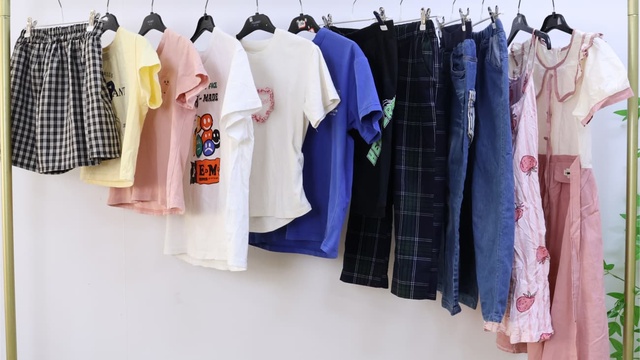
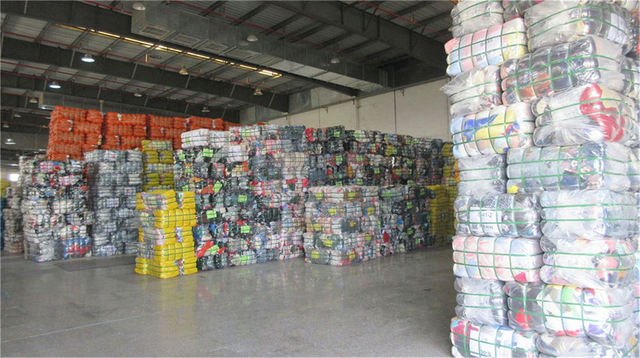
Integrating technology and automated systems into traditional manufacturing processes.
Using advanced 3D CAD modeling software, designers convert 2D flat patterns into realistic digital garment renders. This process reduces physical sampling iterations, lowers fabric waste by up to 80%, and shortens client approval cycles from weeks to days.
Transitioning production line capabilities to computerized flat-knitting systems (including Stoll and Shima Seiki). This allows seamless construction of complex intarsia, jacquard, and ribbed textures in a single continuous process, reducing raw material waste and improving seam comfort.
Implementing RFID tags and MES (Manufacturing Execution Systems) to track raw materials, semi-finished goods, and final inventory. This system gives clients real-time visibility into production milestones, optimizing logistics and delivery scheduling.
Integrating zero-waste cutting algorithms and yarn recycling programs. Off-cut materials are collected, shredded, respun, and blended with fresh virgin fibers to create eco-friendly collections that meet global circular economy standards.
Adapting knitwear designs to meet regional physical standards and international trade certifications.
Designed for relaxed fits and extended sizing. Products meet strict flammability standards (16 CFR Part 1610) and are verified using ASTM physical measurement charts to ensure consistent retail sizing.
Tailored silhouettes and premium natural fiber blends. Production complies with REACH regulations, ensuring zero harmful chemicals, azo dyes, or heavy metal residues are present in the finished garments.
Focuses on lightweight, breathable layered knitwear suitable for moderate southern hemisphere climates. Designs feature fine wool blends and easy-care properties suitable for daily wear.
Answers to common B2B procurement, production, logistics, and quality assurance questions.
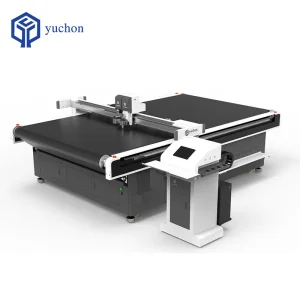
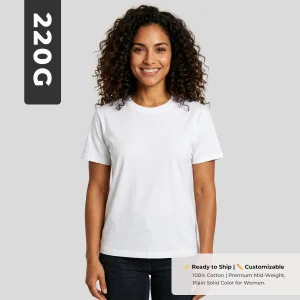
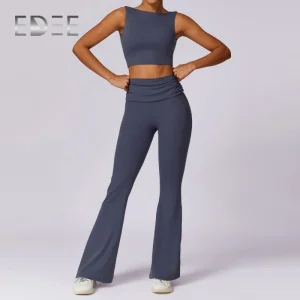
Quality-controlled activewear, modern loungewear, specialized machinery, and casual fashion collections designed for global distribution.
 Setor Fashion