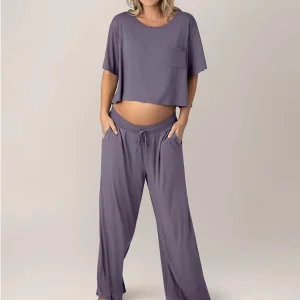
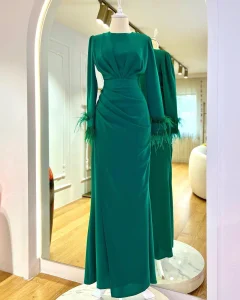
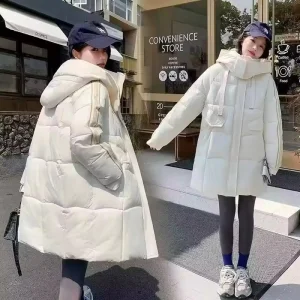
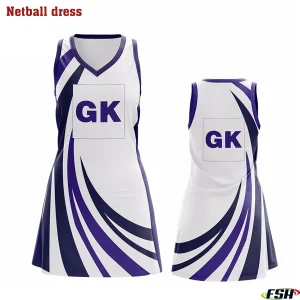
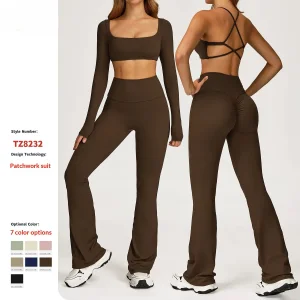
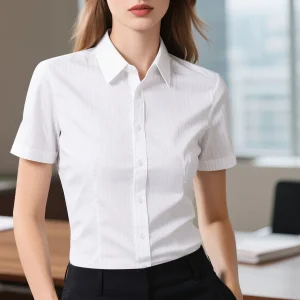
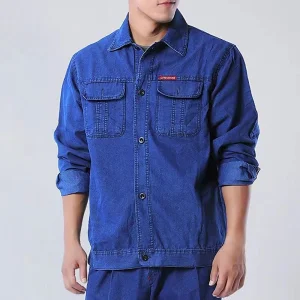
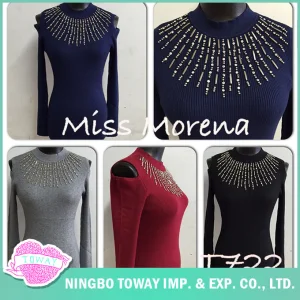
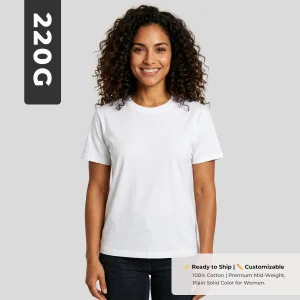
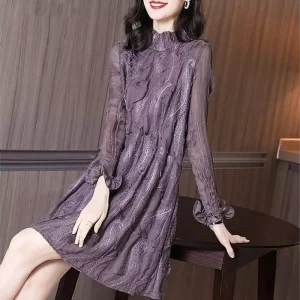
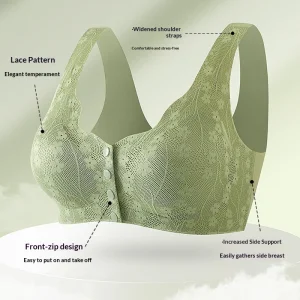
Explore our signature creations blending luxury craftsmanship, technical engineering, and contemporary trends.
The global women's evening dress market has witnessed a significant transformation, evolving from traditional, slow-paced seasonal cycles into a highly dynamic, digitally driven retail landscape. Modern luxury brands, international department stores, and fast-growing e-commerce empires require an unprecedented level of agility, material innovation, and structural craftsmanship. Understanding "User Intent" in B2B procurement translates to solving one major challenge: how to secure high-margin, top-tier evening gowns that balance premium aesthetics with cost-effective scalability.
As search patterns move toward semantic intent, buyers no longer search merely for "cheap dresses." Instead, queries target "sustainable luxury evening dress suppliers," "high-end silk formal dress manufacturers," and "OEM evening wear factories with low MOQ options." In this climate, the capability to quickly adapt to consumer demand while maintaining rigorous technical standards separates market leaders from standard exporters.
Guangzhou, located in Guangdong Province, stands as the global epicentre for high-end fashion development and production. The regional synergy within the Pearl River Delta offers an unparalleled supply chain matrix. From the massive raw fabric markets like the Zhongda Fabric Market to specialized accessory hubs, manufacturers have instant access to thousands of variations of laces, beads, silks, and synthetic textiles.
"By centralizing pattern makers, fabric dye houses, embroidery workshops, and logistics networks within a 50-mile radius, Guangzhou-based manufacturers can compress a standard 90-day design-to-delivery cycle down to just 30 to 45 days. This geographic speed-to-market is crucial for global brands capitalizing on fast-changing social media micro-trends."
Furthermore, local craftsmen in the region carry generations of experience in draping, hand-beading, and complex pattern cutting. This human capital ensures that high-concept designs translate accurately from 2D sketches into wearable, structurally sound, and flattering 3D evening garments.
How China's leading evening wear manufacturers leverage technology, supply networks, and design heritage.
Direct access to premium mulberry silks, intricate Chantilly laces, high-density crepe, and eco-friendly recycled polyester blends. We source materials that balance structural strength with fluid drape characteristics.
Utilizing high-precision digital pattern nesting and computerized fabric cutting to minimize waste, maximize fabric yield, and guarantee absolute consistency across all production runs and sizes.
Comprehensive inspection standards covering tensile seam strength, bead retention, colorfastness under cleaning cycles, and premium zipper closure endurance (using SBS/YKK components).
Unlike casual apparel, women's evening dresses are complex structural systems. They require internal support mechanisms to hold shape, define silhouettes, and support heavy embellishments without putting undue stress on the wearer. Top factories in China deploy advanced construction techniques including internal corsetry, boning integration (plastic, metal, or spiral steel depending on design requirements), and reinforced built-in cups.
From a material science perspective, the selection of textiles dictates the final drape. Crepe back satin offers a heavy, liquid-like drape ideal for bias-cut slip gowns, while tulle and organza provide the volume and stiffness needed for ball gowns. Advanced processing techniques like pleating, fabric bonding, laser cutting, and computerized multi-head embroidery are utilized to create 3D texture details that cannot be replicated by manual labour alone.
B2B buyers generally operate under two major procurement models: Original Equipment Manufacturer (OEM) or Original Design Manufacturer (ODM).
Under the OEM model, the buyer provides complete tech packs, patterns, and material specifications. The factory’s role is to source the exact components, build prototypes, and execute bulk production with high precision. This model suits established fashion labels with in-house design departments.
Conversely, the ODM model allows boutique retailers and scaling digital brands to select and modify pre-designed styles from the factory's active showroom library. Leading factories continuously monitor global runway trends and red-carpet aesthetics to design and draft dozens of new evening dress samples monthly, offering ready-to-produce designs to clients looking to rapidly expand their product catalog.
Modern consumer sentiment demands transparency. Importers in the US, Europe, and Australia must comply with strict trade standards, chemical regulations (such as REACH and OEKO-TEX Standard 100), and social audits (such as BSCI, SMETA, or WRAP).
Premium manufacturers have committed to clean supply chains. This includes utilizing certified organic silks, recycled polyester yarns made from marine waste, and non-toxic dye formulations that do not damage local water tables. Additionally, ethical labor practices are enforced to ensure that workers involved in the highly detailed hand-beading processes operate under safe, fair, and regulated working conditions.
Guangzhou Setor Fashion Co., Ltd. is a professional women's apparel manufacturer based in Guangzhou, Guangdong, China. Established in 2013, the company specializes in the design, development, and production of fashionable women's clothing for global brands, retailers, wholesalers, and e-commerce businesses. With a modern manufacturing facility covering more than 15,000 square meters and a workforce of over 250 experienced employees, Setor Fashion provides comprehensive OEM and ODM garment solutions tailored to diverse market demands.
The company's product range includes women's casual wear, dresses, blouses, skirts, knitwear, outerwear, loungewear, activewear, business attire, and seasonal fashion collections. By combining contemporary fashion trends with efficient manufacturing capabilities, Setor Fashion helps customers create competitive apparel collections that meet the evolving preferences of consumers worldwide.
Equipped with advanced production equipment and supported by a skilled technical team, the company maintains strict quality control throughout every stage of the manufacturing process, from fabric sourcing and sample development to bulk production and final inspection. Setor Fashion works closely with customers to provide customized services, including pattern making, private labeling, fabric selection, logo application, packaging design, and collection development.
Innovation and flexibility are at the core of the company's operations. An experienced design and product development team continuously researches market trends, materials, and garment technologies to support clients in launching successful fashion products.
With a commitment to quality, reliability, and long-term cooperation, Guangzhou Setor Fashion Co., Ltd. has established partnerships with customers across North America, Europe, the Middle East, Australia, and other international markets. The company strives to be a trusted women's apparel manufacturer delivering fashion clothing, casual wear, and professional OEM ODM garment solutions worldwide.
Expert answers addressing the primary challenges and questions of international B2B importers.
For custom evening dresses (OEM/ODM), standard MOQs range between 100 to 300 pieces per style/colorway. This threshold is dictated by textile mills' minimum dye run requirements. For highly complex designs incorporating premium silk or proprietary jacquard patterns, MOQs may adapt to material availability. Many suppliers offer lower initial sample run options to verify market fit before initiating bulk orders.
Professional factories utilize specialized fit forms and measurement grids tailored to specific regional markets (US, UK/EU, and AU sizing standards differ significantly). During the pre-production sample stage, garments are fitted on professional dress forms and models. CAD software is used to scale sizing grades uniformly, eliminating human variation and ensuring that production garments conform strictly to approved specifications.
Our quality assurance protocol includes a 4-point inspection framework: raw material fabric inspections, inline sewing inspections, a full pre-packaging review, and final statistical AQL (Acceptable Quality Limit) testing. We test for seam strength, zipper action, color bleeding, symmetry, and bead-pull resistance to guarantee that every garment delivered to your warehouse is retail-ready.
Sample development typically takes 7 to 15 working days depending on structural complexity and embellishment specifications. Bulk production is executed within 30 to 45 days after the final pre-production sample receives buyer approval. Sourcing rare fabrics or complex handmade detailing may extend lead times, which are mapped out during the initial quoting phase.
Yes. We work closely with certified mills to ensure all chemical dyes, trims, and base fabrics are lead-free, azo-dye-free, and comply with REACH and OEKO-TEX safety standards. Certification documentation can be furnished upon request to simplify customs clearance processes in target distribution countries.
Our diverse engineering capabilities across multiple fashion, activewear, and lifestyle product categories.
 Setor Fashion