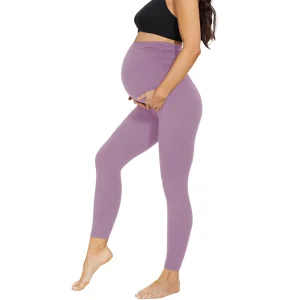
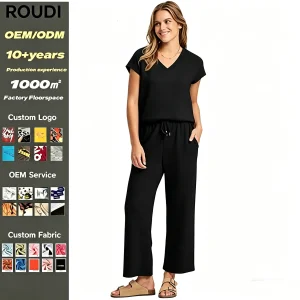
Explore our versatile textile manufacturing range. Combining design flexibility, functional excellence, and low environmental impact.
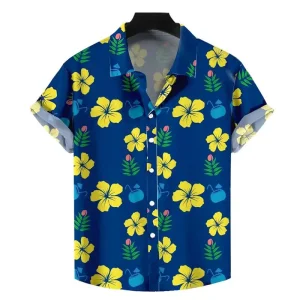
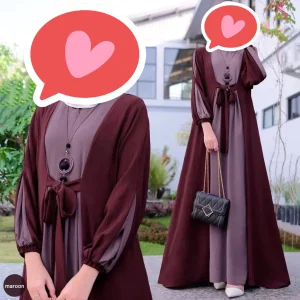
Guangzhou Setor Fashion Co., Ltd. is an industry-leading, professional women's apparel manufacturer and exporter based in Guangzhou, Guangdong, China. Established in 2013, the company specializes in the end-to-end design, development, and high-efficiency production of premium, eco-conscious women's clothing for global fashion brands, retailers, wholesalers, and e-commerce enterprises. Spanning a modern manufacturing footprint of over 15,000 square meters and powered by a highly skilled workforce of over 250 experienced professionals, Setor Fashion delivers comprehensive, turn-key OEM and ODM garment solutions tailored to satisfy strict regulatory compliance and the complex needs of international supply chains.
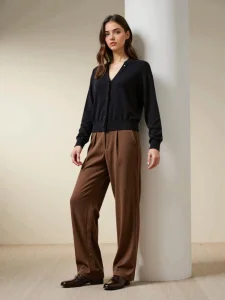
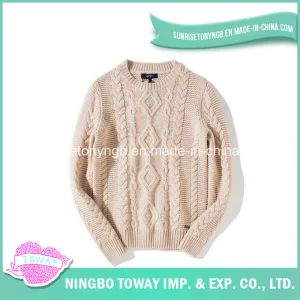
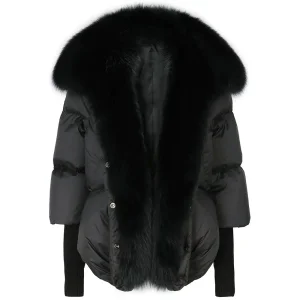
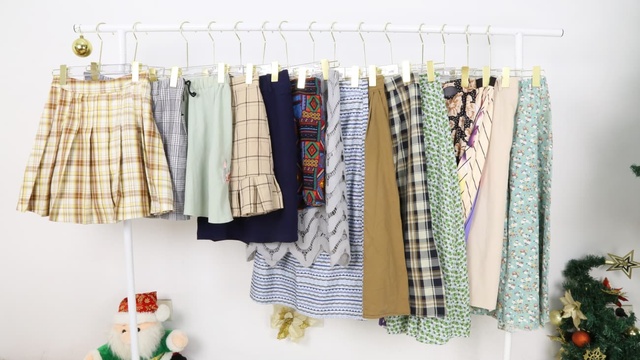
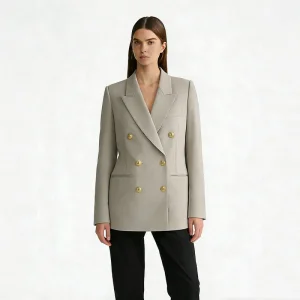
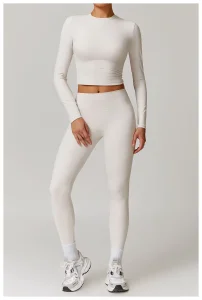
Our expansive product portfolio encompasses women's casual wear, high-fashion dresses, blouses, skirts, knitwear, seasonal outerwear, loungewear, high-performance activewear, corporate business attire, and circular capsule collections. By merging cutting-edge contemporary trends with green manufacturing innovations, Setor Fashion empowers international brands to introduce competitive collections that align with the core values of modern, environmentally aware global consumers.
"We build long-term, high-trust partnerships across North America, Europe, Australia, and the Middle East by fusing technological intelligence with ecological responsibility, ensuring every garment satisfies the triple bottom line: People, Planet, and Performance."
Analyzing the macroeconomic indicators, changing legislative frameworks, and consumer behaviors reshaping the worldwide apparel market.
The apparel industry is migrating from the linear "take-make-waste" model to closed-loop circular systems. This requires clothing to be designed from single-polymer (monomaterial) composition to facilitate seamless fiber-to-fiber recycling at end-of-life.
Governments are enforcing transparency. The European Union's Ecodesign for Sustainable Products Regulation (ESPR) and the Digital Product Passport (DPP) demand that garment components are fully traceable from farm, factory, to the final consumer retail rack.
Global enterprise brands are reshaping procurement requirements. Sourcing directors prioritize manufacturers that run on renewable energy, minimize water consumption during wet processing, and guarantee fair-labor working conditions.
While regional micro-manufacturing centers exist, scaling up eco-conscious apparel requires robust raw-material supply chains. Guangdong’s apparel cluster represents the pinnacle of specialized textile vertical integration. As a result, Guangzhou Setor Fashion integrates low-impact raw material sourcing with advanced production lines to reduce transport emissions and eliminate logistics bottlenecks. This integration allows global brands to scale sustainable garments rapidly, closing the gap between high-volume retail needs and environmental accountability.
How we address the core challenges of B2B procurement managers: compliance, scalability, speed, and premium craftsmanship.
We support precise, specifications-based development. Sourcing teams receive custom labels, organic-certified sewing thread choices, non-toxic trims, and packaging made from plant-based, biodegradable materials.
Our design team utilizes CAD pattern drafting and 3D digital simulation software to refine styles before physical fabric is cut. This methodology cuts prototyping raw material waste by 75%.
To minimize deadstock risks, we provide flexible production volumes. Brands can launch collections with lower minimums and place fast-turnaround repeat orders based on real-time market data.
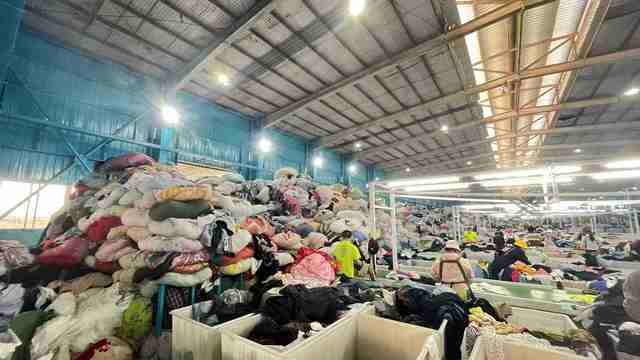
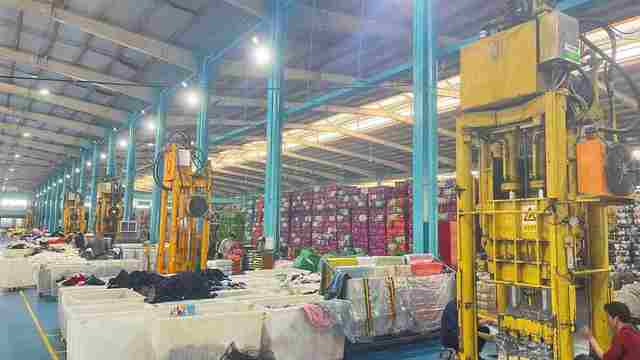
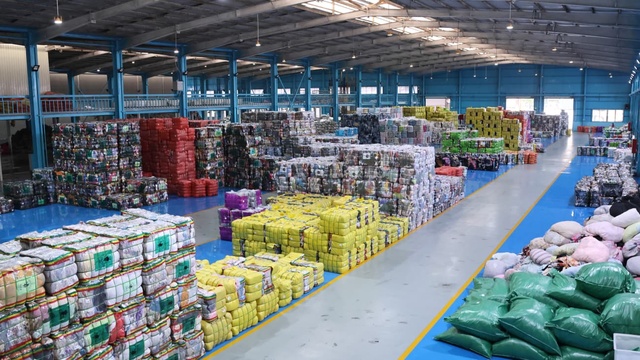
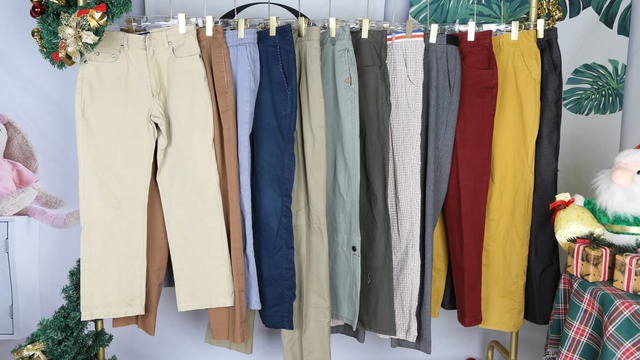
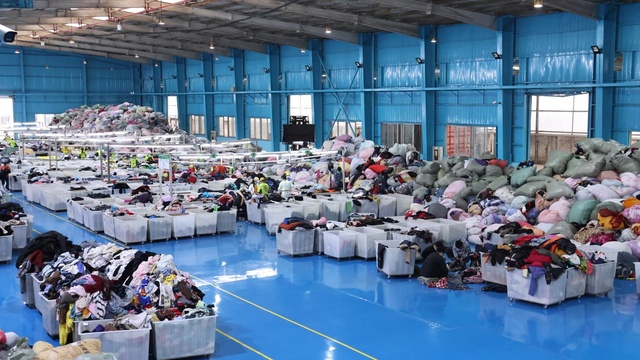
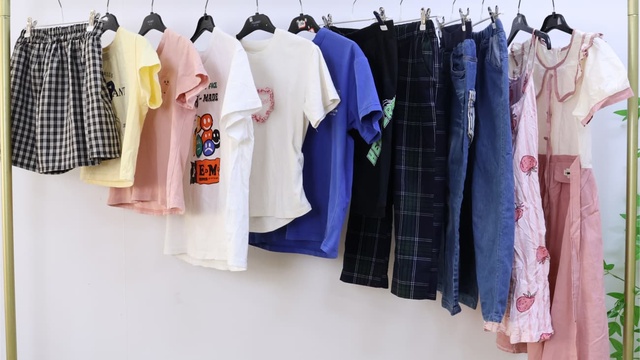
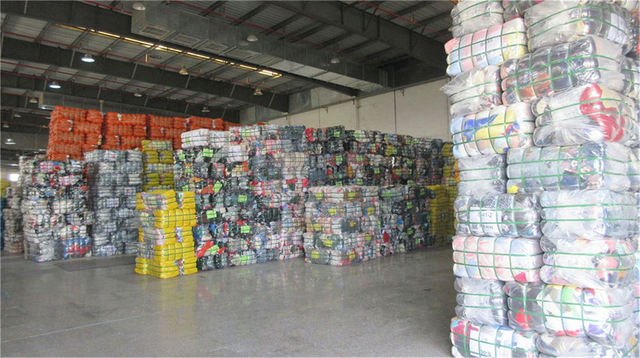
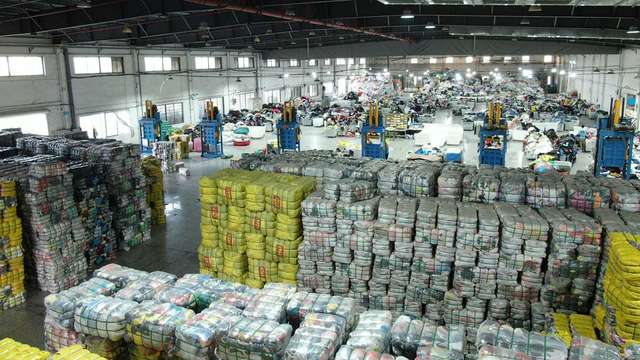
Take an inside look at our 15,000 square meter Guangzhou facility, showcasing our commitment to systematic quality control and worker welfare.
A key focus at Setor Fashion is the development and processing of next-generation low-impact fibers. We collaborate with international fiber science labs to integrate clean alternatives into high-volume garment lines.
We work closely with global certification bodies to offer clients fully traceable material pathways. Below is the structured classification matrix applied across our design and ODM/OEM lines:
Organic Cotton (GOTS certified), pure natural Linen, and hemp. These fibers consume up to 91% less water during crop stages compared to conventional cotton and utilize zero synthetic pesticides, fostering biodiversity and soil conservation.
Lenzing Tencel™, Lyocell, and modal. Sourced from sustainably managed, FSC-certified forests, these materials rely on closed-loop chemical processes where 99.7% of processing solvents are captured, purified, and reused.
Recycled Polyester (rPET) and recycled nylon. Sourced from post-industrial waste and ocean plastics, utilizing these recycled fibers decreases carbon emissions by up to 50% compared to virgin petrochemical fibers.
To reduce standard fabric cutoff loss (which averages 15-20% across traditional manufacturers), Setor Fashion applies proprietary nested marker-planning software. By algorithmically optimizing shapes prior to computerized cutting, our technical team reduces raw waste to under 5%. This engineering discipline lowers unit costs and reduces the waste-to-landfill profile of bulk orders.
Securing international customs clearance and safeguarding brand reputation through rigorous global certification alignment.
We support clients with transactional certification documentation (TCs) verifying compliance with the Global Recycled Standard (GRS) and the Organic Content Standard (OCS), tracing fiber origins from farm to container.
Our facilities are systematically evaluated against BSCI and Sedex standards, guaranteeing fair compensation, worker health and safety, transparent overtime practices, and a safe, inclusive workspace.
All auxiliary agents, dye chemicals, and surface treatments satisfy the OEKO-TEX Standard 100 limit value guidelines, ensuring final garments contain no harmful chemical residues.
Find authoritative answers to technical, commercial, and operational questions regarding eco-conscious garment production.
Explore more product categories available for custom-run orders and collection development.


 Setor Fashion