Top 10 Tips for Selecting Women's Apparel for Retail Stores?

Time:2026-07-29 Author:Isabella
0%

When approaching the question of how to select women's apparel for retail stores, it is crucial to consider a variety of factors. The right selection can attract customers and enhance the shopping experience. Retailers must stay informed about current fashion trends and customer preferences. Choosing the right styles, fabrics, and sizes is essential.

Customer feedback plays a vital role in this process. Engage with your clientele to understand their needs. This insight can guide your choices. Another factor is inventory management. Balancing popular items with unique pieces can create a diverse product range that keeps shoppers coming back.

However, it can be challenging. Misjudging trends or miscalculating stock can lead to losses. Retailers should regularly review sales data and adapt their selections accordingly. Building a strong relationship with suppliers can also provide insights into upcoming trends. Reflecting on these elements can improve your apparel selection strategy.
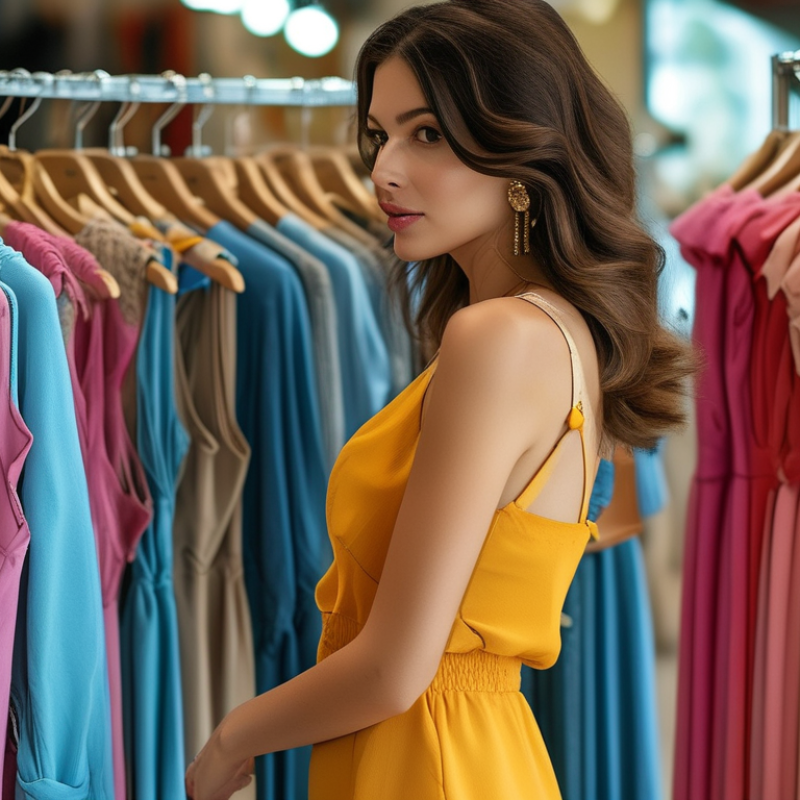
Top 10 Tips for Selecting Women's Apparel for Retail Stores?

Understanding Your Target Demographic for Women's Apparel Selection

Understanding your target demographic is essential in women's apparel selection. Start by analyzing age groups. Younger consumers often prefer trendy styles, while older shoppers typically seek comfort and classic designs. This distinction guides your inventory decisions effectively.

Research the lifestyle of your target demographic. Busy professionals might favor versatile pieces, while stay-at-home moms often look for practical yet stylish options. Keep those preferences in mind when selecting clothing. Additionally, consider cultural influences on fashion choices. This can dramatically affect customer satisfaction and sales.

Gather feedback through surveys or direct conversations. This often uncovers unique preferences within your demographic. Listen to their needs and adjust your selections accordingly. Not every choice will resonate, and some items may not fly off the shelves. Embrace these learning opportunities to refine your future selections. A flexible approach is key in navigating the evolving fashion market.

Identifying Current Fashion Trends to Guide Apparel Choices

Identifying current fashion trends is crucial when selecting women's apparel for retail stores. In 2023, a report by Fashion Pulse indicated that 65% of consumers prioritize style trends over practical needs. This insight shows that understanding trends is essential for meeting customer expectations. Retailers should regularly analyze runway shows, social media, and consumer reports to adapt quickly.

One effective tip is to leverage data analytics. Analyzing purchase patterns can reveal what styles resonate with customers. For instance, sales data may indicate a surge in demand for eco-friendly fabrics. This can guide inventory choices. Visual merchandising should also reflect trending colors and styles. Maintaining an appealing store layout can enhance customer engagement.

Another tip involves hosting focus groups. Engaging directly with customers can uncover insights about their preferences. A recent study by Market Watch found that 72% of women feel more connected to brands that involve them in product development. Retailers must be willing to experiment and be open to feedback. Ignoring consumer preferences can lead to missed opportunities for growth. Adapting to trends is not just about staying current; it's about nurturing lasting customer relationships.

Evaluating Quality and Fabric Types in Women's Clothing

When selecting women’s apparel for retail, evaluating fabric types is essential. High-quality fabrics not only enhance the visual appeal but also ensure durability. Cotton, linen, and silk are popular choices known for their breathability and softness. They provide comfort, especially in warmer climates. However, it's crucial to consider the fabric's weight and texture. For example, a lightweight cotton may be perfect for summer but might lack the structure needed for formal wear.

Understanding the fabric's care requirements is equally important. Some materials, like silk, require special washing instructions to maintain their beauty. In contrast, polyester offers easy maintenance but may not have the same luxurious feel. Retailers should also be aware of how fabrics can reflect a brand's identity. A store focused on sustainability might prioritize organic materials, which require a different sourcing strategy. This brings up the question of balancing quality and eco-friendliness, a vital consideration for today's consumers.

It's worth noting that not all high-priced items guarantee quality. Some fabrics may look good but degrade quickly after a few washes. Retailers must be vigilant and educate themselves on fabric blends. A combination of polyester and cotton might offer both durability and comfort, but understanding the ratio can significantly impact the garment's feel and longevity. Choosing the right fabric is a continuous learning process, one that directly influences customer satisfaction.

Establishing a Suitable Price Range for Retail Women's Apparel

Establishing a suitable price range for retail women's apparel is critical. Prices should reflect quality, brand positioning, and target demographics. Start by researching competitors. Understand their pricing strategies and product offerings. This grounds your decision in the market.

Consider the costs involved. Factor in materials, labor, and shipping. Aim for a balance that covers costs without alienating customers. Remember, a lower price might attract shoppers, but it can diminish perceived value. On the other hand, overpriced items may scare them away.

Tip: Test different price points. Create promotions and observe sales performance. This will help you find the sweet spot. Additionally, regularly engage with your customers. Their feedback can guide necessary pricing adjustments. Evaluate your range often based on seasonal trends and consumer preferences. Keeping your inventory aligned with market demands is essential for sustained success.

Creating a Cohesive Merchandise Display for Optimal Sales

Creating a cohesive merchandise display for women's apparel is essential for maximizing sales. A well-planned display captures attention and encourages purchases. Consider your store layout. Use space effectively to create distinct zones for different styles or themes. This makes it easier for customers to navigate and find what they want.

Color coordination is another key factor. Select a color palette that flows seamlessly. Arranging items in complementary colors not only enhances visual appeal but also conveys a sense of style. Use props and signage creatively. A well-placed sign could highlight a new collection or a seasonal sale. It’s a simple yet effective way to drive attention.

Reflect on the customer journey. Observe how people interact with displays. Are they drawn in or do they walk past? Adjust placement accordingly. Sometimes, an item looks great on the rack, but not in practice. Regularly refresh the display, incorporating new trends. This keeps it dynamic and engaging. A cohesive display goes beyond aesthetics; it reflects a brand’s identity and resonates with shoppers, fostering a deeper connection.

Top 10 Tips for Selecting Women's Apparel for Retail Stores

Tip Number Tip Description
1 Understand Your Target Market Research demographics, preferences, and shopping habits to tailor selections.
2 Analyze Current Trends Stay updated with fashion trends, colors, and styles to keep inventory fresh.
3 Quality Over Quantity Prioritize high-quality materials for better customer satisfaction.
4 Create a Cohesive Style Ensure a consistent theme across all apparel selections.
5 Incorporate Seasonal Offerings Adjust inventory based on seasonal changes and holidays.
6 Focus on Versatility Select pieces that can be styled for multiple occasions.
7 Consider Size Inclusivity Provide a range of sizes to cater to diverse body types.
8 Optimize Visual Merchandising Use attractive display techniques to highlight products effectively.
9 Utilize Customer Feedback Engage with customers to understand their preferences and improve selections.
10 Maintain Competitive Pricing Ensure prices are aligned with market standards without compromising quality.

FAQS

: Why is identifying fashion trends important for apparel selection?

: Trends influence consumer preferences. In 2023, 65% value style over practicality.

How can retailers track fashion trends effectively?

Regularly analyze runway shows and social media. Consumer reports also provide valuable insights.

What role does data analytics play in retail?

It reveals customer purchase patterns and preferences. It can guide inventory choices effectively.

How can customer engagement improve brand connection?

Hosting focus groups allows insight into customer preferences. 72% feel more connected this way.

Why is fabric evaluation crucial in women's clothing?

High-quality fabrics enhance appeal and durability. Breathable materials are essential for comfort.

What should retailers consider regarding fabric care?

Different fabrics have unique care requirements. Some like silk need special washing instructions.

How does fabric choice reflect a brand's identity?

Sustainable brands prioritize organic materials. This influences sourcing strategies significantly.

Can high prices guarantee quality in apparel?

No, expensive items can still degrade quickly. Retailers must educate themselves on fabric types.

What is the significance of understanding fabric blends?

Blends can enhance durability and comfort. The ratio impacts the garment's overall feel.

How does fabric choice affect customer satisfaction?

Choosing the right fabric is a learning process. It directly influences how customers feel about a product.

Conclusion

When considering how to select women's apparel for retail stores, it's essential to start by understanding your target demographic. Knowing the preferences, age group, and lifestyle of your customers will guide you in choosing apparel that resonates with them. Additionally, keeping an eye on current fashion trends is vital; staying updated on what’s popular helps ensure that your selection is relevant and appealing.

Evaluating the quality and types of fabrics used in women's clothing is another critical aspect, as it directly impacts customer satisfaction and brand loyalty. Establishing a suitable price range is necessary to attract shoppers while maintaining profitability. Finally, creating a cohesive merchandise display will enhance the shopping experience and encourage purchasing, ensuring that your retail space reflects a well-thought-out selection of women's apparel.

Isabella

Isabella

Isabella is a dedicated marketing professional with a sharp focus on driving brand growth and engagement through strategic content creation. With an extensive background in digital marketing, she combines her passion for storytelling with her keen understanding of industry trends to deliver......