How to Find the Right Clothing Size for Women?

Time:2026-10-17 Author:Charlotte
0%

Finding the right fit is more complicated than choosing a familiar number. In women’s fashion, a size 8 can feel comfortable in one store and tight across the shoulders in another. Susan Ashdown, a leading clothing-sizing researcher and author of Sizing in Clothing, explains, “There is no such thing as a standard size.” That sentence deserves attention.

The problem is measurable. The SizeUK national survey recorded body measurements from more than 11,000 people, showing meaningful differences in height, bust, waist, and hip proportions. More recently, the 2023 Consumer Returns in the Retail Industry report from the National Retail Federation and Appriss Retail estimated that 24.4% of online purchases were returned in 2022. Poor fit is not the only cause, but it remains a practical concern for shoppers and retailers.

This guide explains how to find the right clothing size for women using measurements, garment charts, fabric details, and customer reviews. A soft tape measure around the fullest bust, natural waist, and widest hips can reveal more than a label. Check the inseam, sleeve length, and rise, too. Small details matter.

There is no perfect formula. Bodies change. Brands measure differently. Even careful shoppers sometimes choose incorrectly. That is normal, not a personal failure. The most reliable approach combines your measurements with each brand’s specific chart and return policy. A label is only a starting point. Fit is the real evidence.
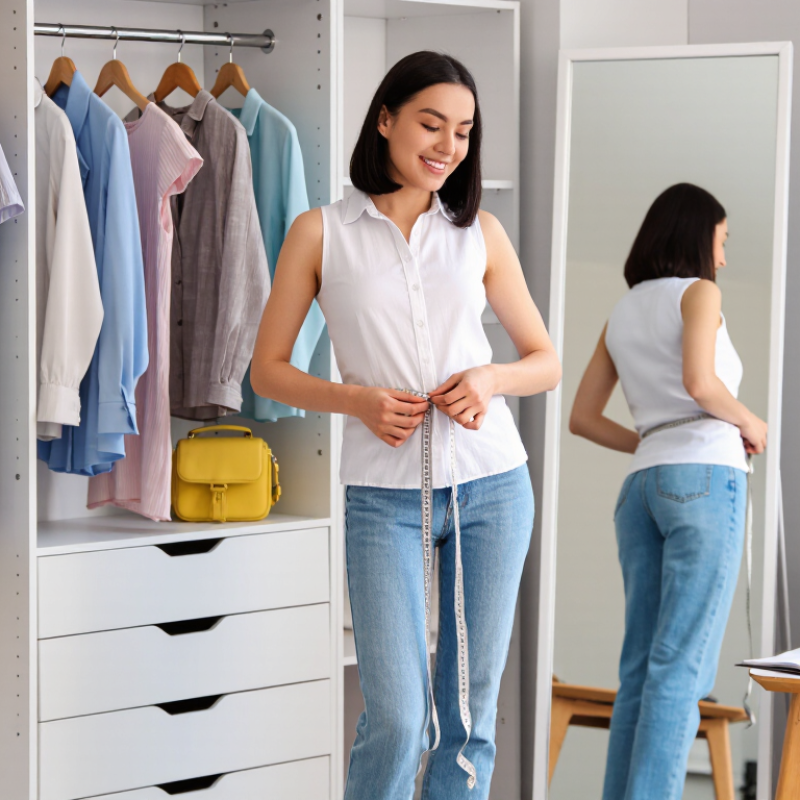
How to Find the Right Clothing Size for Women?

Understanding Women’s Clothing Size Systems

Finding the right size starts with understanding the system behind the label. Women’s clothing sizes vary by country, garment type, and manufacturer. A number on a tag is only a reference. I have seen two skirts with the same labeled size fit very differently. Measure your bust, waist, and hips with a soft tape. Keep it level, and do not pull tightly. Record measurements in centimeters and inches. This habit prevents many avoidable mistakes. Still, body measurements can change during the day.

Common systems include US, UK, and EU numerical sizes. Their numbers do not match directly. A US 8, UK 12, and EU 40 may represent similar measurements, but conversions are not exact. Some charts show body measurements. Others show finished garment dimensions. Check which one applies before ordering. Compare your largest measurement with the chart. For fitted clothing, bust or hip ease matters too. Ease means extra space for movement. Too little feels restrictive. Too much changes the intended shape.

Fabric and cut can override the label. Stretch fabric may allow a closer fit, while woven cotton often needs more room. Petite, tall, and plus-size ranges may use different proportions. Read feedback about sleeve length, waist placement, and fabric stretch. I sometimes choose different sizes for trousers and blouses. That is normal. Yet I have trusted a chart too quickly and ignored shoulder width. The lesson is imperfect but useful: treat sizing as evidence, not certainty. When possible, measure a well-fitting garment and compare its dimensions. Leave room for personal comfort.

How to Find the Right Clothing Size for Women?

Understanding Women’s Clothing Size Systems

This chart shows approximate bust measurements commonly associated with women’s clothing sizes across US, UK, European, and Australian systems. Clothing sizes are not fully standardized, so always compare your body measurements with the specific garment’s size chart before purchasing.

Taking Accurate Body Measurements at Home

How to Find the Right Clothing Size for Women?

Taking accurate body measurements at home is more reliable than guessing from a familiar size. The SizeUK national sizing survey measured more than 11,000 adults and showed substantial differences in body shape, even among people with similar heights. A number on a label cannot describe every body.

Use a soft tape measure and wear thin, close-fitting clothing. Keep the tape level, but do not pull it tightly. Measure your bust across the fullest area, your natural waist after a relaxed exhale, and your hips at their widest point. Keep your feet together. Record each number in centimeters. Measure twice.

Small mistakes matter. A twisted tape can change the result by several centimeters. I sometimes measure too quickly, especially around the waist. That is worth questioning. ISO 8559-1:2017 defines consistent body-measurement locations, so use the same points each time. Compare your measurements with the garment’s size chart, not only with your usual size. If your bust and hips suggest different sizes, choose according to the garment’s main fitting area. Leave room for movement, because clothing needs ease. A snug measurement is not always a comfortable fit.

Matching Measurements to a Brand’s Size Chart

Finding the right women’s clothing size starts with the garment’s own size chart, not a familiar letter. Sizes vary widely between labels, cuts, and countries. The SizeUSA study, led by TC², measured more than 10,000 people and showed substantial differences in women’s body proportions. That finding still matters today.

Use a soft tape measure. Keep it level around your natural waist, fullest bust, and fullest hip. Do not pull tightly. Write each measurement in centimeters or inches, then compare it with the chart’s exact ranges.

If your bust matches medium but your hips match large, choose the size that fits your larger measurement. A tailor can adjust extra fabric more easily than missing fabric.

Check the product details, too. A fitted dress needs closer bust and waist accuracy, while relaxed trousers may allow more flexibility. Look for fabric composition, stretch percentage, rise, and garment measurements.

The International Association of Textile and Apparel Professionals identifies fit consistency as a continuing industry challenge, partly because sizing systems lack universal standardization. I still make mistakes. Body measurements change, and tape placement can shift by a centimeter.

Recheck them every few months, preferably wearing thin clothing and standing naturally. One careless measurement can distort the whole comparison.

Comparing Garment Cuts, Fabrics, and Fit Preferences

Finding the right women’s clothing size is less about a label than how a garment is cut. A slim cut follows the body closely, while a relaxed cut leaves room at the waist, hips, and sleeves. Measure your bust, natural waist, and fullest hip with the tape level, not tight. Compare those measurements with the garment’s own size chart. Do not assume one size works everywhere. A structured jacket may need extra shoulder room, even when the waist feels loose. In practical fitting, posture also changes the result. Stand naturally. Not stiff.

Fabric can change the answer. Woven cotton with no stretch usually needs more ease than a knitted fabric. A dress with elastane may fit across the bust but feel restrictive when seated. Raise your arms, bend, and sit for a minute. Watch for pulling lines, gaping buttons, or twisting seams. Your preference matters as well. Some women prefer a close silhouette, while others need airflow and layering space. Loose, breathable weaves may feel cooler but crease quickly. A stable fabric may look sharper but feel less forgiving. I sometimes choose a larger size for comfort, then wonder whether tailoring would improve the shape. That uncertainty is useful. A mirror can mislead; ordinary movement often reveals more.

Checking the Fit and Choosing Between Sizes

How to Find the Right Clothing Size for Women?

Checking the fit matters more than trusting a small, medium, or large label. Measure your bust, natural waist, and fullest hip with the tape level and relaxed. Then compare those numbers with the garment’s size chart, not a generic chart. ISO 8559-1:2017 supports standardized body-measurement terminology, but clothing proportions still vary between patterns and manufacturers. A 2023 NRF and Appriss Retail report found that 14.5% of retail purchases were returned, rising to 17.6% for online purchases. Poor fit is not the only reason, but it remains a practical concern.

Try the garment with your usual undergarments. Check whether shoulder seams sit at the shoulder edge. Raise your arms, sit down, and take a normal step. Watch for pulling across the bust, gaping at the waist, or a waistband pressing into your skin. Examine the fabric under movement, especially around hips and knees. Small wrinkles can be normal. Sharp diagonal folds usually signal tension.

When measurements fall between sizes, choose based on the largest important measurement. A fitted woven jacket may need the larger size, while a stretchy knit can sometimes suit the smaller one. Leave room for movement, not just a successful mirror pose. This approach is imperfect. Bodies change during the day, and size charts may use limited samples. Recheck the chart, read garment measurements, and consider simple alterations when the shoulders fit but the hem needs adjustment.

FAQS

What tools do I need for accurate measurements at home?

Use a soft tape measure and wear thin, close-fitting clothing. Stand naturally with your feet together. Keep the tape level and relaxed.

How should I measure my bust, waist, and hips?

Measure your bust across the fullest area. Measure your natural waist after a relaxed exhale. Measure your hips at the widest point.

Why should I measure twice?

Small errors can change the result by several centimeters. A twisted tape or rushed movement may distort the number. I sometimes measure too quickly.

Should I trust my usual clothing size?

Not completely. Compare your body measurements with the garment’s exact size chart. Sizes can differ between cuts, countries, and clothing types.

What should I do when my measurements match different sizes?

Choose the size that fits the garment’s main fitting area. For many garments, the larger important measurement is safer. Extra fabric is easier to adjust.

How can I check whether clothing fits properly?

Check the shoulder seams, then raise your arms and sit down. Take a normal step. Watch for bust pulling, waist gaps, or a tight waistband.

What do wrinkles reveal about clothing fit?

Small wrinkles can be normal during movement. Sharp diagonal folds may show tension. Check the fabric around the bust, hips, and knees.

Does stretchy fabric change the size I should choose?

Sometimes. A stretchy knit may suit the smaller size. A fitted woven garment usually needs more room for movement.

How often should I recheck my measurements?

Recheck them every few months. Body measurements can change during the day and over time. Tape placement can also shift by a centimeter.

Conclusion

Finding the right clothing size for women starts with understanding that sizing systems can vary between countries, retailers, and garment types. Instead of relying only on the size printed on a label, take accurate measurements of your bust, waist, and hips at home using a flexible tape measure. Keep the tape level and comfortable, then compare your measurements with the specific size chart provided for the clothing you want to buy. This approach is the foundation of how to find the right clothing size for women.

Measurements are only part of the decision. Consider the garment’s cut, fabric, stretch, and intended silhouette, since a fitted design may feel different from a relaxed one. If your measurements fall between two sizes, think about your preferred level of comfort and whether the material allows movement. When possible, check the fit by sitting, walking, and raising your arms to ensure the clothing feels comfortable and looks balanced.

Charlotte

Charlotte

Charlotte is a seasoned marketing professional with a deep understanding of the company's portfolio and a passion for elevating its presence in the market. With a keen eye for detail and a commitment to excellence, she ensures that our professional blog is regularly updated with insightful articles......