Choosing quality fabric for women’s apparel begins with understanding how material behaves on the body. The right fabric should support comfort, movement, fit, and the garment’s intended purpose. A soft blouse may need breathability and fluid drape, while structured trousers require recovery, strength, and resistance to bagging. For buyers and designers, asking “why is fabric quality important in women's apparel” reveals more than a preference for luxury. Fabric quality affects skin comfort, garment durability, appearance, maintenance, and customer satisfaction.
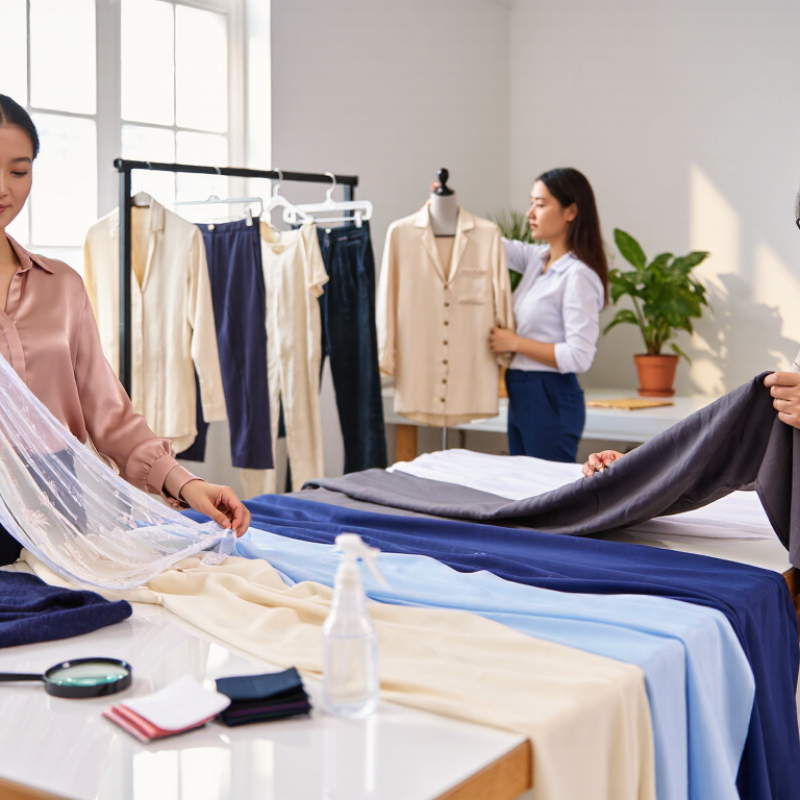
Experienced apparel professionals inspect fabric under natural light and touch its surface carefully. They check opacity, stretch recovery, seam slippage, pilling risk, and uneven dyeing. A simple crease test can reveal whether the material wrinkles quickly. A small wash test may expose shrinkage, color bleeding, or surface distortion before production begins. Fiber content and fabric weight also deserve attention, but labels do not tell the whole story. Two fabrics with similar compositions can perform very differently. That part is often overlooked.
No fabric is perfect. A lightweight material may feel cool but wear faster. A dense fabric may last longer but restrict movement. Even expert assessments can miss problems after repeated washing or extended wear. Responsible selection therefore combines supplier documentation, physical testing, and real garment trials. A reliable choice matches the fabric’s performance with the wearer’s daily needs, climate, styling, and care habits. Quality should be measured in use, not only by appearance on a sample table.
Choosing quality fabric for women’s apparel starts with understanding the fiber, not trusting a soft hand alone. Textile Exchange’s Materials Market Report 2024 estimates global fiber production reached 124 million tonnes in 2023. Polyester represented about 57%, while cotton accounted for roughly 19%. These figures matter because fiber choice affects comfort, durability, care, and environmental impact.
Cotton absorbs moisture and feels breathable against warm skin. However, it may crease, shrink, or lose shape without proper finishing. Polyester resists wrinkles and dries quickly, but low-quality versions can feel clammy and retain odor. Linen offers excellent airflow and a crisp texture, though its natural slubs and wrinkles are not defects. Lyocell and other regenerated cellulosic fibers usually provide softness and fluid drape, yet their strength can change when wet. Check the fiber blend carefully.
Touch is only one clue. Test seam recovery after stretching, inspect uneven yarns, and hold the fabric toward light for thin patches. AATCC laundering methods help evaluate colorfastness and dimensional change, while ASTM tensile tests measure fabric strength. A pale blouse that twists after one wash is not quality. I have seen attractive samples fail there. Fiber content, yarn construction, fabric weight, and finishing must be judged together. The label helps, but it never tells the whole story.
| Fiber | Fiber Type | Key Properties | Breathability & Moisture | Durability | Common Apparel Uses | Quality Indicators | Care Considerations |
|---|---|---|---|---|---|---|---|
| Cotton | Natural cellulose fiber | Soft, comfortable, absorbent, and easy to dye. Can wrinkle and may shrink if untreated. | High breathability and moisture absorption; dries more slowly than many synthetics. | Good, especially in tightly woven fabrics. |
T-shirts, blouses, dresses, casual trousers, denim, and underwear. | Even yarns, clean surface, stable construction, and limited slubs or neps. | Follow shrinkage instructions; use moderate heat and avoid over-drying. |
| Linen | Natural bast fiber | Lightweight, crisp, cool, strong, and naturally textured. Wrinkles easily. | Excellent airflow and moisture absorption; feels cool in warm climates. | Very strong when dry. |
Summer dresses, shirts, skirts, wide-leg trousers, and lightweight jackets. | Consistent weave, balanced texture, minimal weak areas, and controlled slub variation. | Wash gently; reshape while damp; press with suitable heat if a smooth appearance is desired. |
| Wool | Natural animal fiber | Warm, elastic, resilient, odor-resistant, and naturally insulating. | Good moisture-vapor management; warmth depends on fiber fineness and fabric weight. | Good resilience but may felt or pill under friction. |
Suits, coats, knitwear, skirts, trousers, and winter dresses. | Fine, consistent fibers, even surface, good recovery after stretching, and low visible pilling. | Use care instructions carefully; avoid agitation and high heat to reduce felting and shrinkage. |
| Silk | Natural protein fiber | Smooth, lustrous, lightweight, fluid, and comfortable across changing temperatures. | Good moisture absorption and breathability; can feel cool against the skin. | Strong for its weight but sensitive to abrasion, perspiration, and sunlight. |
Blouses, scarves, lingerie, evening dresses, skirts, and linings. | Uniform luster, smooth hand, clean weave, strong seams, and minimal pulled threads. | Protect from harsh chemicals and prolonged sunlight; gentle or professional cleaning may be required. |
| Viscose | Regenerated cellulose fiber | Soft, fluid, breathable, and highly absorbent with a silk-like drape. | Good breathability and moisture absorption; wet strength varies by construction. | Moderate; can weaken or distort when wet. |
Flowing dresses, blouses, skirts, linings, and lightweight trousers. | Smooth surface, even color, stable dimensions, and resistance to excessive seam slippage. | Use gentle washing and avoid aggressive wringing; check for shrinkage and shape retention. |
| Lyocell | Regenerated cellulose fiber | Soft, smooth, absorbent, breathable, and known for a fluid drape. | Very good moisture absorption and comfortable next-to-skin performance. | Good, although surface fibrillation and abrasion can affect appearance. |
Shirts, dresses, skirts, trousers, denim-style garments, and soft tailoring. | Even surface, consistent drape, low fuzz, good color uniformity, and stable seams. | Wash gently; reduce friction and follow instructions to help preserve the surface appearance. |
| Polyester | Synthetic polymer fiber | Strong, lightweight, wrinkle-resistant, shape-retentive, and quick-drying. | Low moisture absorption; moisture-wicking finishes can improve activewear comfort. | High resistance to abrasion and stretching. |
Activewear, pleated skirts, dresses, blouses, linings, and easy-care garments. | Consistent filament or staple distribution, colorfastness, low pilling, and reliable dimensional stability. | Use moderate heat; high temperatures can damage fibers or create shine during pressing. |
| Nylon | Synthetic polyamide fiber | Lightweight, smooth, strong, elastic, and highly abrasion-resistant. | Low moisture absorption; dries quickly and is often used in performance blends. | Excellent abrasion resistance and strength. |
Activewear, swimwear, hosiery, lingerie, lightweight outerwear, and stretch garments. | Smooth hand, strong recovery, uniform stretch, secure seams, and resistance to snagging. | Protect from excessive heat; avoid rough surfaces that may cause pulls or snags. |
| Elastane | Synthetic elastic fiber | Exceptional stretch and recovery; usually blended with other fibers rather than used alone. | Moisture performance depends mainly on the companion fiber and fabric construction. | Excellent elasticity, but sensitive to heat, chlorine, oils, and prolonged sunlight. |
Leggings, fitted dresses, swimwear, underwear, waistbands, and stretch denim. | Strong stretch recovery, even coverage, no exposed elastic, and no permanent bagging after testing. | Use cool or moderate temperatures; avoid chlorine exposure and high-heat drying when possible. |
| Cashmere | Fine animal fiber | Very soft, lightweight, warm, and insulating with a luxurious hand feel. | Moderate breathability with excellent warmth-to-weight performance. | Delicate; prone to pilling and abrasion if poorly handled. |
Fine knitwear, sweaters, cardigans, scarves, and lightweight accessories. | Soft but resilient hand, fine even fibers, low harshness, and minimal excessive fuzz. | Hand wash or use approved delicate care; dry flat and store folded to limit stretching. |
| Hemp | Natural bast fiber | Strong, breathable, absorbent, and naturally textured; softens with use and washing. | Good airflow and moisture absorption, suitable for warm-weather garments. | High strength and good long-term wear resistance. |
Shirts, dresses, trousers, jackets, skirts, and casual separates. | Even yarn size, stable weave, controlled texture, and absence of brittle or weak areas. | Wash gently; allow natural softening and avoid excessive heat that may increase shrinkage. |
Fiber affects comfort, durability, care, and environmental impact. Cotton feels breathable and absorbs moisture. Polyester dries quickly and resists wrinkles. Linen offers airflow but wrinkles easily. Softness alone is not enough.
Cotton may shrink, crease, fade, or lose shape. Test it after washing. A blouse twisting at the side is a warning sign. Proper finishing can reduce some problems, but not every one.
Polyester resists wrinkles and dries quickly. Low-quality polyester may feel clammy and retain odor. Check breathability, surface feel, and color stability. Large production volume does not prove good quality.
Lightweight viscose, silk, lyocell, or cotton can provide useful drape. Thin fabrics may reveal seams. A lining might be needed. Hold the fabric toward light and inspect thin patches.
Look for balanced stretch and strong recovery. Excessive stretch can create bagging at the knees. Pull the fabric gently, then watch how quickly it returns. Recovery may weaken after washing.
Stretch a seam and check its recovery. Inspect uneven yarns, pilling, abrasion, and thin areas. Review wash-test results for shrinkage and colorfastness. A small hand-wash test can expose hidden problems.
Request fiber composition, test reports, and traceable certificate details. Check the document’s scope, expiry date, and material category. A certificate may cover a different product. That mistake is easy to miss.
Consider fiber content, dyeing, water use, transport, and garment lifespan. Recycled or organic content does not prove overall sustainability. A durable blouse worn for five summers may offer greater value. I would still verify the claim.
Compare more than the roll price. Include cutting waste, defects, testing fees, minimum quantities, returns, and replacement orders. A cheaper fabric may cost more later. My judgment can be wrong without production data.
Choosing quality fabric for women’s apparel begins with understanding fiber types and their properties. Natural, synthetic, and blended fibers each offer different levels of softness, breathability, stretch, strength, and moisture control. Examine the fabric’s texture, weave, weight, and density to judge whether it is suitable for the intended garment. Durability is also important: a quality fabric should maintain its shape, color, and surface after regular use and proper washing. This explains why is fabric quality important in women's apparel: the right material improves comfort, appearance, fit, and long-term value.
Fabric selection should also match the style and purpose of the garment. Lightweight, breathable materials may suit summer dresses and blouses, while structured or resilient fabrics can work better for trousers, jackets, and workwear. Consider care requirements, wrinkle resistance, colorfastness, and performance features before purchasing. Certifications and responsible production practices may provide useful information about environmental and social standards. By balancing comfort, function, durability, sustainability, and cost, shoppers can select fabrics that support both attractive design and dependable everyday wear.

 Setor Fashion