China Top 10 Womens Apparel Trends Shaping Global Sourcing?

Time:2026-09-12 Author:Oliver
0%

China’s women’s apparel sector is no longer defined by low-cost production alone. It now combines fast digital feedback, flexible factories, advanced material development, and increasingly sophisticated consumer research. This shift matters to global buyers seeking speed, traceability, and commercially relevant design.

The central question is “what trends are shaping the women's apparel industry” across China and international sourcing markets? To answer it, this guide examines ten visible forces, including AI-assisted design, smaller production runs, functional fabrics, quiet luxury, modest fashion, resale influence, and lower-impact manufacturing. These trends appear in practical details: livestreams testing a jacket overnight, suppliers producing 300-unit color trials, and factories tracking fabric batches through digital records. As Achim Berg, a senior partner at McKinsey, has said, “The fashion industry is facing a downturn.” That warning remains useful. Growth cannot depend on volume alone.

The analysis also considers supplier capability, not just consumer excitement. A factory may offer recycled polyester, yet provide limited documentation. A brand may promise rapid replenishment, yet overlook quality-control pressure. These gaps require verification through factory visits, sample testing, audit records, and delivery data. The picture is not perfectly clean. Some trend labels are inflated, while genuine innovation can remain difficult to scale. Still, China’s apparel ecosystem offers valuable evidence for buyers who compare claims with production reality. The following trends show where opportunity is emerging, where risk is hiding, and where sourcing decisions may need a second look.
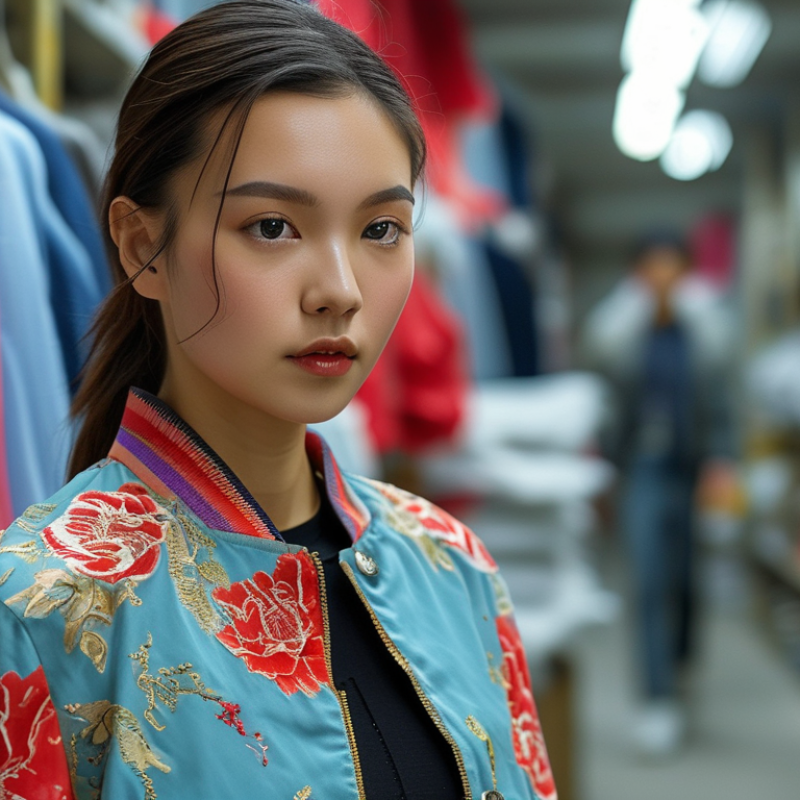
China Top 10 Womens Apparel Trends Shaping Global Sourcing?

China’s Role in the Global Women’s Apparel Supply Chain

China remains a central force in the global women’s apparel supply chain. The WTO World Trade Statistical Review 2023 reported that China held 31.7% of global clothing exports in 2022. Its advantage is not limited to sewing capacity. Yarn, fabric, dyeing, trims, testing, and finishing often operate within connected industrial clusters.

This structure can shorten development cycles for women’s garments. It also supports flexible orders, complex sizing, and quick fabric adjustments. The Textile Exchange Materials Market Report 2024 recorded global fiber production at 124 million tonnes in 2023. Polyester represented about 57% of that volume, reinforcing China’s importance in synthetic fiber production. Yet scale can hide weaknesses. Factory data may look efficient, while material traceability remains uneven. A sourcing plan should question both speed and evidence.

Tips: Ask suppliers for fiber origin, factory audit dates, testing records, and production capacity by month. Request a small pilot order before committing to seasonal volume. Compare quoted lead times with actual sample performance. Do not assume the cheapest fabric creates the lowest total cost. Some delays begin upstream, not in the sewing room.

Design Trends: Personalization, Inclusivity, and Everyday Versatility

China’s women’s apparel sourcing is moving toward personalization, inclusivity, and everyday versatility. Statista Market Insights estimates China’s apparel market will generate about US$353 billion in 2025. That scale rewards flexible design rather than uniform seasonal collections.

Personalization can begin with adjustable hems, removable belts, and modular sleeves. Digital sampling helps suppliers test these details before cutting large quantities. The State of Fashion 2025 highlights value-conscious consumers and stronger demand for meaningful product differentiation. However, personalization becomes wasteful when factories produce too many minor variations. A better approach uses shared base patterns with controlled options.

Inclusivity must be practical. The World Health Organization reports that 1.3 billion people live with significant disabilities worldwide. Designers should consider seated comfort, easier fastenings, sensory-friendly seams, and broader size grading. Everyday versatility also matters. A soft tailored jacket should work with office trousers, denim, or travel clothing. Fabric recovery, pocket placement, and wash durability deserve careful supplier testing. Small details matter.

The Fashion Transparency Index 2023 found that only 52% of assessed companies disclosed first-tier supplier lists. That gap affects trust. Sourcing teams should request measurable fit data, material specifications, and production records. The industry still gets inclusivity wrong when it treats it as a campaign theme instead of a fitting-room experience. Some “personalized” products remain expensive and difficult to return. That weakness needs honest reconsideration.

Material Trends: Sustainable, Functional, and Innovative Fabrics

Material choices are reshaping China’s women’s apparel supply chain. Buyers increasingly request recycled polyester, recycled nylon, organic cotton, and certified man-made cellulosic fibers. These materials can reduce virgin resource use, but their benefits depend on processing and traceability.

Functional fabrics are gaining attention in everyday womenswear. Lightweight woven shells can resist light rain without feeling stiff. Moisture-managing knits support commuting, travel, and active lifestyles. Stretch fabrics improve comfort around waistbands and shoulders.

Some mills now develop plant-based fibers and low-impact dyeing systems for softer, lower-water production.

Technical claims require careful verification. A fabric label alone proves little. Experienced sourcing teams should request fiber-content records, production details, colorfastness results, and independent laboratory testing.

They should also examine wastewater controls and worker safety practices. Recycled fibers may still shed microfibers. Blended fabrics can be difficult to recycle after use. This is an uncomfortable limitation.

Small trials help reveal practical problems. A sample may look smooth, yet pill after repeated washing. A water-repellent finish may weaken after home laundering.

Sourcing managers should test garments under realistic conditions, including abrasion, sweat, washing, and storage. Clear specifications and regular factory communication create more reliable results than attractive material claims alone.

Production Trends: Smart Manufacturing and Flexible Order Fulfillment

China’s womenswear sourcing is moving from mass production toward responsive production. Smart manufacturing now connects cutting tables, sewing lines, and warehouse data. The International Federation of Robotics reported 276,288 industrial robots installed in China in 2023. That represented over half of global installations. Apparel factories increasingly use automated fabric inspection, digital pattern grading, and real-time production dashboards.

Deloitte’s Smart Manufacturing and Operations Survey found that 86% of manufacturers expect smart manufacturing to improve competitiveness within five years. In practice, suppliers can track order progress by line, not only by shipment date. Smaller production batches also reduce excess inventory. Flexible fulfillment supports mixed sizes, seasonal colors, and faster replenishment. However, digital systems do not solve every problem. Data may be incomplete. Skilled operators remain essential. A highly automated line can still produce the wrong garment efficiently.

Tips: Ask suppliers for live production visibility, not only weekly spreadsheets. Check whether their systems connect cutting, sewing, inspection, and packing. Request a small pilot order before scaling. Confirm how they handle late fabric, revised measurements, and split shipments. McKinsey’s 2024 apparel research continues to emphasize demand uncertainty and inventory pressure across fashion supply chains. Therefore, flexible contracts matter as much as factory technology. Leave room for human review. Perfect forecasts are still unrealistic.

Sourcing Trends: Digital Platforms, Private Labels, and Global Market Reach

China’s apparel sourcing is moving from factory-led orders toward digital, data-led partnerships. In 2024, China’s textile and apparel exports reached about US$301 billion, according to customs data reported by industry trade associations. Digital sourcing platforms now connect buyers with factories, material suppliers, and inspection teams in fewer steps. Product images, sample records, and production updates can appear on one screen. This improves speed, but digital information is not always complete.

Private labels are also changing sourcing decisions. Buyers want smaller batches, flexible colors, and exclusive details rather than identical mass products. PwC’s 2024 Voice of the Consumer Survey found that 46% of respondents had purchased products through social media. That behavior supports direct testing of new apparel lines across international markets. However, social demand can disappear quickly. A strong click rate does not guarantee repeat orders.

Tips: Request verified production records, fabric test reports, and recent audit evidence. Compare platform claims with physical samples. Keep one backup supplier. It sounds cautious, but disruptions expose weak plans. Use local market data before choosing sizes, colors, or price points. McKinsey’s State of Fashion 2025 highlights value-sensitive consumers and uneven regional demand. China’s digital tools can support global reach, yet human judgment still matters. Some decisions remain imperfect. That is worth admitting.

China Top 10 Women's Apparel Trends Shaping Global Sourcing?

Global market reach is increasingly influencing sourcing decisions alongside digital platforms and private-label development.

The chart uses China’s 2023 apparel export value to the ten largest destination markets shown, covering HS 61 and HS 62 apparel categories. The destination mix highlights China’s broad global sourcing reach, while digital procurement platforms and private-label programs are helping buyers diversify suppliers and shorten product-development cycles.

Source: UN Comtrade international trade database, HS 61–62, 2023. Values are rounded estimates in US$ billions and include apparel across gender categories.

FAQS

Why is China important in the women’s apparel supply chain?

China held about 31.7% of global clothing exports in 2022. Its industrial clusters connect yarn, fabric, dyeing, trims, testing, and finishing. This can shorten development time. The network is broad.

What should buyers check before selecting a supplier?

Ask for fiber origins, factory audit dates, testing records, and monthly capacity. Check whether the stated capacity matches recent production evidence. A low price may hide fabric delays or weak quality control. Do not trust figures alone.

Why is a pilot order useful?

A small pilot order tests fabric quality, sizing, communication, and delivery speed. Compare the promised lead time with actual sample performance. This reveals problems before seasonal volumes begin. Start small.

What materials are especially important in China’s apparel industry?

Synthetic fibers remain significant, with polyester representing about 57% of global fiber production in 2023. Buyers should still verify recycled content, fiber origin, and test documentation. Material traceability can vary between suppliers. The paperwork may be incomplete.

How does smart manufacturing support women’s apparel production?

Digital systems can connect cutting, sewing, inspection, and packing data. They may show progress by production line instead of shipment date. Automated inspection and digital pattern grading can reduce certain errors. Technology is not a guarantee.

Can automation eliminate production mistakes?

No. A highly automated line can produce the wrong garment efficiently. Incorrect measurements, late fabric, or poor data can still disrupt orders. Skilled operators and human review remain necessary. Data can mislead.

How can digital sourcing platforms help buyers?

They can display samples, product images, factory updates, and inspection records in one place. This reduces communication steps and may speed up product development. Buyers should compare digital claims with physical samples. Screens do not prove quality.

What should private-label buyers consider when planning products?

Private-label buyers often need smaller batches, flexible colors, and distinctive details. Local market data should guide sizes, colors, and price points. Social media interest can test demand, but clicks may not create repeat orders. Demand changes quickly.

Why should buyers keep a backup supplier?

A backup supplier can reduce disruption when materials arrive late or orders split. Ask both suppliers about revised measurements, emergency capacity, and shipment handling. This approach costs extra attention, but weak plans become visible during delays. Keep reviewing.

Conclusion

China continues to play a central role in the global women’s apparel supply chain by combining extensive manufacturing capacity, skilled labor, diverse material resources, and increasingly responsive production systems. As buyers seek greater value and speed, Chinese suppliers are adapting to what trends are shaping the women's apparel industry, including personalized designs, inclusive sizing, adaptable wardrobe essentials, and styles that balance comfort with modern appearance. These changes reflect consumers’ growing interest in clothing that fits different lifestyles, body types, and occasions.

Material innovation is also influencing the market, with increased attention to recycled, lower-impact, breathable, stretchable, and performance-focused fabrics. At the production level, smart manufacturing, data-driven planning, automation, and flexible order fulfillment are helping suppliers manage smaller batches and faster product updates. Meanwhile, digital sourcing platforms are improving communication between buyers and factories, while private-label development and export capabilities allow suppliers to serve a wider range of international markets. Together, these trends are making China’s apparel sector more flexible, innovative, and competitive.

Oliver

Oliver

Oliver is a seasoned marketing professional with a wealth of expertise in driving brand awareness and engagement. With a deep understanding of our company's product offerings, he consistently delivers high-quality content that enriches our professional blog. His insights not only shed light on......